
Why a good measuring tape matters on irrigation jobs
A measuring tape is one of those tools that gets used all day, every day. When you are laying out pipe runs, marking joint positions or checking spacing between sprinklers, a clear and accurate tape keeps the work neat and saves rework later.
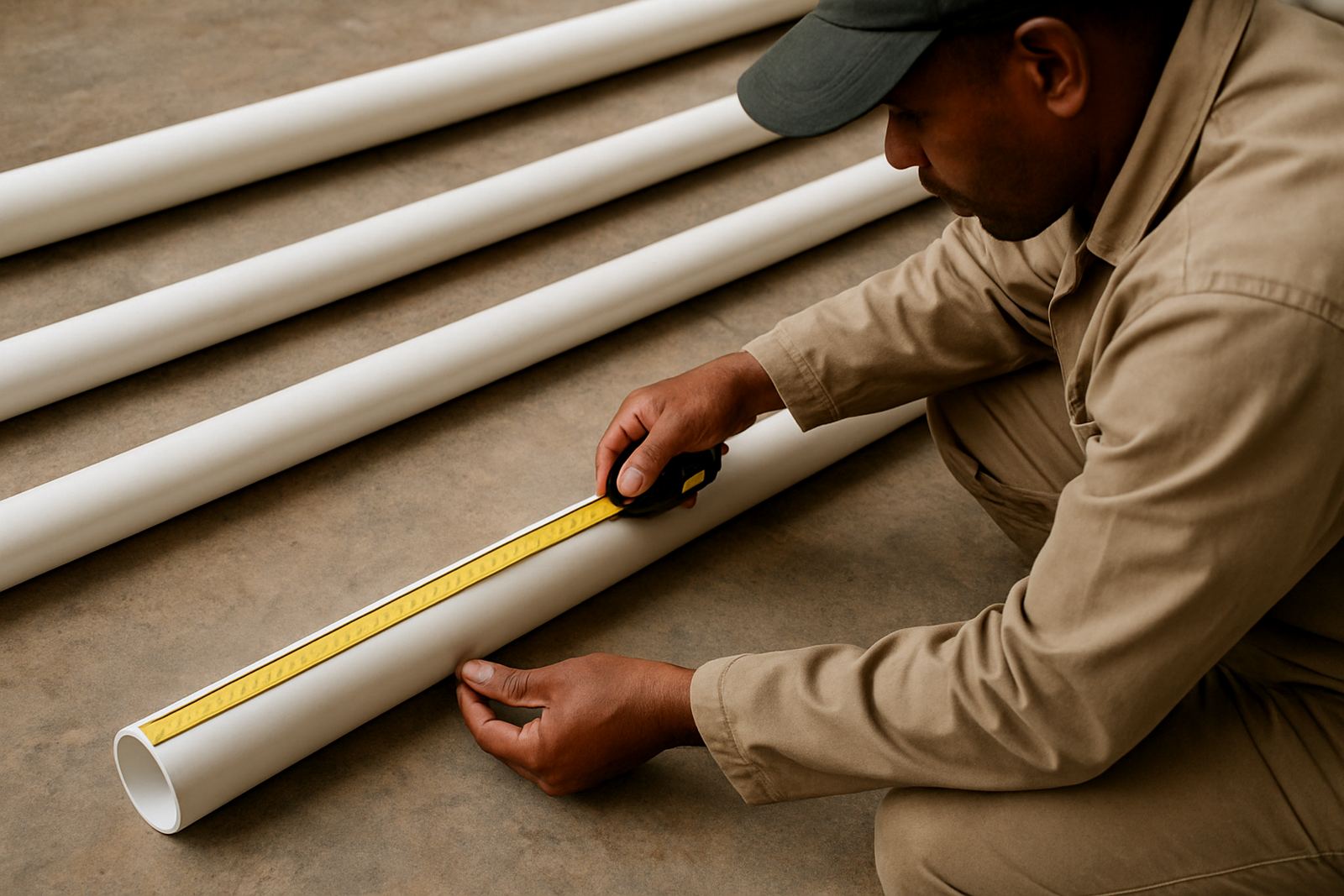
For irrigation teams, small measuring mistakes can turn into wasted pipe, poor alignment and extra labour. A tape with easy to read markings helps when cutting solvent-weld pipe lengths, planning trench runs and checking set out points before the glue goes on. On busy sites where several people are working at once, it also helps keep everyone on the same page.
We supply measuring tapes that suit field work, workshop use and contractor callouts. They are made for regular handling, dusty conditions and outdoor work, which is important on farms where tools are carried from vehicle to trench to installation point. A solid tape also stands up better to the knocks that come with daily use, especially in hot weather and rough handling.
Sizes and options for site work
Measuring tapes for irrigation use are usually chosen by the length of work being done. Shorter tapes are handy for fittings and workshop checks, while longer tapes are better for pipe runs, boundary work and general site setting out. The right choice depends on whether you need something light and quick to carry or a longer tape for more open ground.
- 5 metre tapes for small fitting work and quick checks
- 8 metre tapes for general contractor and landscaping use
- 10 metre tapes for farm layout and longer pipe sections
- Metric markings for standard South African irrigation work
- Clear blade print for easier reading in bright sun
- Locking blade options for hands free marking
Some teams prefer a compact casing that fits in a pocket or toolbox, while others want a wider blade that stays straighter over longer reaches. For irrigation installers, that extra stiffness can help when measuring across trenches or marking cut points on pipe that is already stacked on site. If your crew works in more than one area, it may make sense to keep a few tape lengths on hand rather than relying on one general unit.
Best use cases on farms and contractor sites
These measuring tapes suit irrigation work across farms, estates, landscaping jobs and municipal maintenance. They are useful when you need to measure pipe lengths before cutting, check the spacing between risers, confirm trench dimensions or set out a row of fittings. Contractors also use them when planning repeat jobs, because the same measurements often come up again on similar installations.
In Limpopo, outdoor work often means heat, dust and strong sun, so a tape needs markings that stay legible and a casing that handles rough site conditions. On coastal or humid sites, it helps if the tape dries off quickly and does not stay wet after rain or morning mist. That reduces rust on the blade and keeps the movement smoother over time. For teams working from Ladanna to Polokwane Supply Area, and further out to Mokopane or Tzaneen, a dependable tape is a simple tool that supports every stage of the job.
- Pipe cutting and length marking
- Trench layout and spacing checks
- Setting sprinkler positions
- Measuring fittings, valves and joins
- Workshop preparation before installation
Installation conditions, power and jobsite needs
A measuring tape does not need power or gas, which makes it useful on sites where loadshedding, limited access or remote farm work can slow other tasks down. You can keep measuring, planning and checking positions even when the rest of the job is waiting for power tools to come back online. That matters on irrigation projects where crews must keep moving and make the most of available daylight.
Because there are no electrical or fuel requirements, the tape is easy to carry in a vehicle, toolbox or field bag. It also suits jobs where contractors move between plots, orchards and pumping points in one day. For best results, keep a tape close to the task area so the team does not waste time walking back and forth for measurements. If you are doing repeated cuts on solvent-weld pipe, a marked work area and a steady tape help maintain consistency.
There is no formal installation process, but good handling still matters. Avoid yanking the blade out too quickly, and do not let it snap back with force all the time. That type of treatment can shorten the life of the return spring and damage the hook. A bit of care on site goes a long way.
Care, cleaning and servicing on the job
A measuring tape lasts longer when it is kept clean and dry after use. Dust from roads and trenching can work into the casing, while mud and water can leave the blade sticky or hard to retract. Wipe the tape with a dry cloth after site work, and if it gets wet, let it dry before storing it away. That is especially useful on damp mornings or after work in irrigation trenches.
Regular checks help spot problems early. If the markings are fading, the blade is kinked or the hook is loose, it may be time to replace the tape rather than continue using it for precision work. A small fault can cause repeated measurement errors and affect the whole installation. For contractor teams, it helps to keep one or two spare tapes in the vehicle so work does not stop when a tape gives trouble.
- Keep the blade clean and dry after every job
- Do not leave it in standing water or wet grass
- Check the hook for movement before use
- Test the return action from time to time
- Replace damaged tapes before accuracy is affected
What to check when ordering measuring tapes
When you order a measuring tape, think about the type of work your team does most often. A landscaper doing short layout work may want a compact tape, while a farm contractor planning longer runs may need a longer blade with stronger support. It also helps to check the markings, the casing size and whether the lock is easy to use with gloves on.
Ask about the tape length, blade width, metric markings and any extras that make the job easier. If your crew works across several sites, quantity checks and repeat order support can save time when the same tape is needed again. For new contractor accounts or farm order planning, we can help match the product to the site work so you are not buying something too short or too flimsy. Our team also assists with troubleshooting help if you are unsure what to pair with your irrigation fittings and tools.
For customers in Ladanna, Polokwane and surrounding areas, we can help with stock reserving, regional delivery and courier dispatch. Larger orders can be planned around farm work, contractor schedules and delivery timing, which is useful when teams are moving between towns or waiting on project approvals. If you are ordering for multiple crews, it is worth confirming the exact sizes needed up front so there are no hold ups later on.
Key facts
| Product type | Hand measuring tape for irrigation, layout and general site work |
|---|---|
| Available lengths | 5 m, 8 m and 10 m options |
| Markings | Metric graduations for South African field use |
| Blade | Clear printed steel blade for easier reading |
| Casing | Durable handheld casing for daily site use |
| Power or gas requirement | None required |