
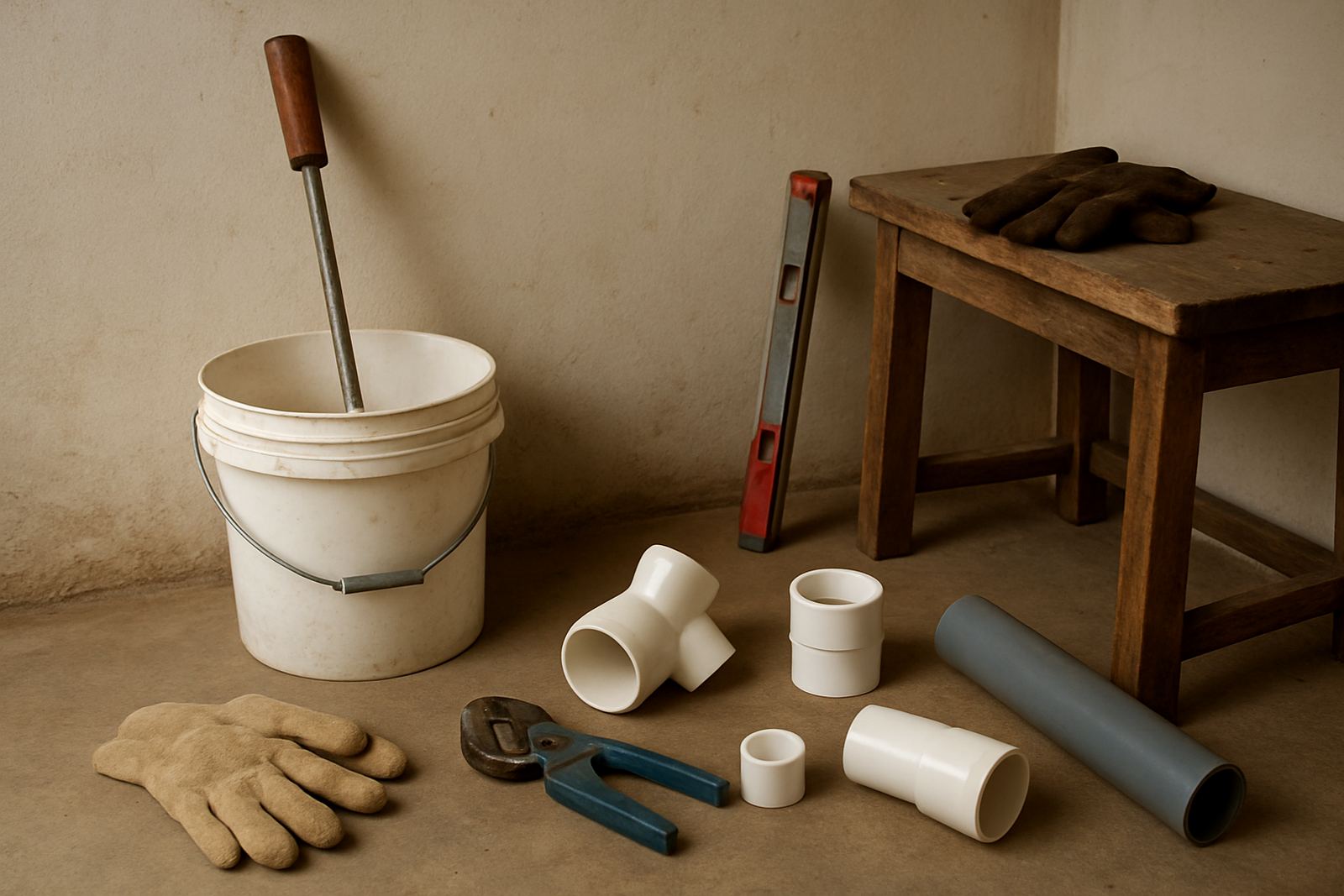
What a Mixing Paddle Does on Irrigation Jobs
A mixing paddle is used to blend site compounds, jointing support materials and other liquids or pastes before application. On irrigation work, that can mean preparing repair material, mixing sealant additives, or getting a uniform finish on installation support products before the day gets busy. The aim is simple, keep the mix even so the job performs the same from one batch to the next.
For irrigation contractors and farm teams, this matters because uneven material can lead to poor coverage, wasted product, and extra call-backs. A good paddle works through the mix instead of folding it around the bucket, which saves time and gives a more consistent result. It is especially useful when you are working in hot weather, wind, or on site where power availability can be limited and you need every batch to be right first time.
The paddles supplied through PVC Welders are selected for practical field use, not light craft work. They suit regular handling, rough site conditions, and the stop-start rhythm of farm installations where you may be mixing several times in a day.
Sizes, Shank Types and Blade Styles
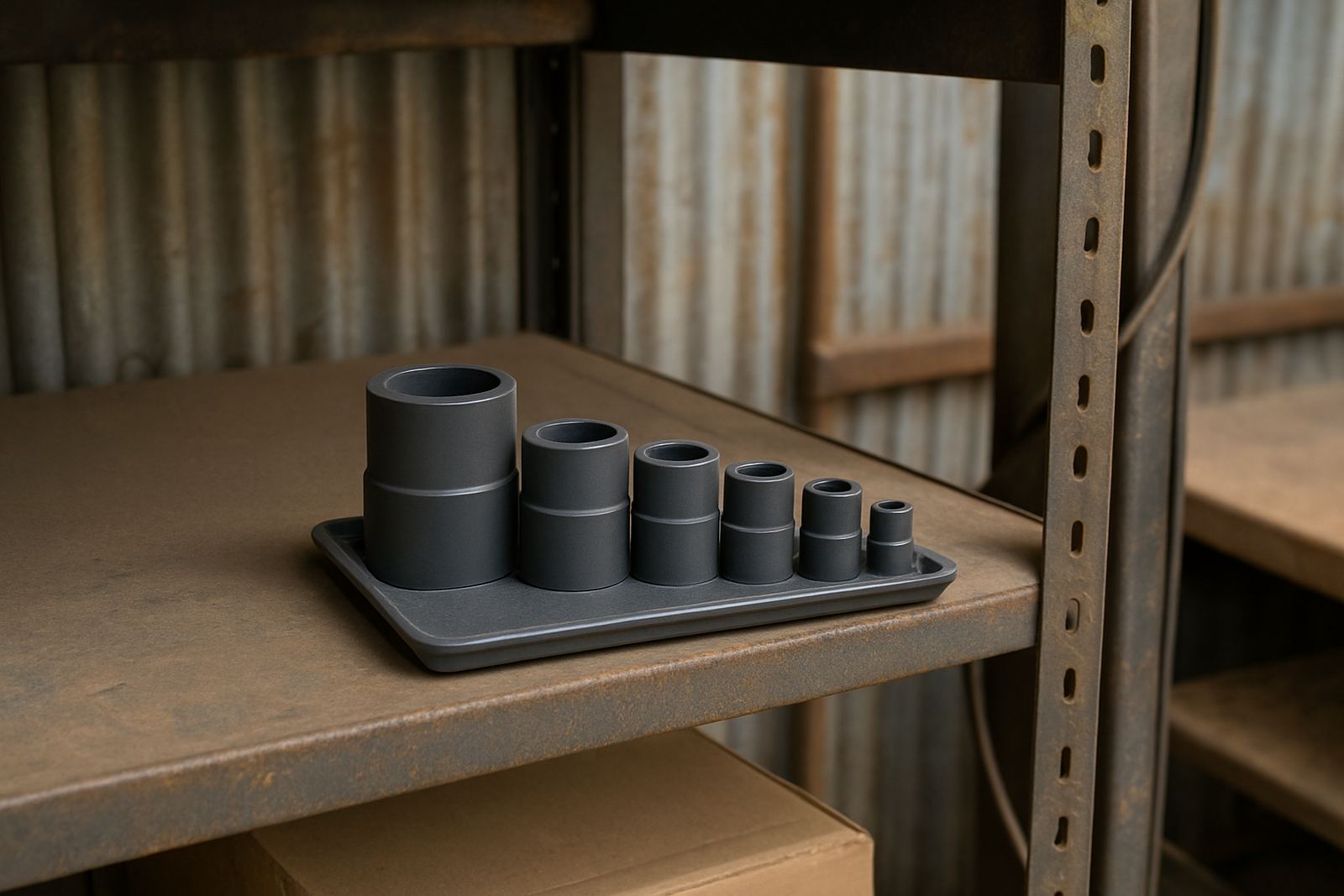
Mixing paddles are available in different lengths and blade shapes so you can match the tool to the container size and the material you are working with. A small paddle is easier to control in narrower buckets, while a longer paddle reaches deeper into larger drums or mixing vessels. Blade shape also affects how the material moves, so choosing the correct one helps reduce splatter and improves the mix.
- Compact paddles for 5 litre to 10 litre containers
- Mid-size paddles for 20 litre buckets and general site use
- Longer paddles for deeper drums and heavier volumes
- Round or spiral blade patterns for smoother circulation
- Hex or round shanks depending on the driving tool used
For irrigation installers working across Limpopo, a mid-size paddle is often the most useful day-to-day option because it handles common site batches without being awkward to carry. Larger paddles are better where bigger volumes are mixed at once, especially on farm developments or multiple-line installations. If you are not sure which size suits your work, it helps to match the paddle to the bucket depth and the material thickness rather than guessing by eye.
Where a Mixing Paddle Fits Best
This tool suits irrigation fitting preparation, maintenance jobs, compound mixing, and general site support work. It is a sensible choice for farmers, landscapers, civil contractors, and irrigation teams who want a practical tool that can be used across different tasks. It is also useful on projects where the team moves between the yard, the trench and the pump area, because the tool is light, easy to store, and ready when needed.
In Polokwane and the wider Limpopo area, site work often means dealing with dust, heat, and strong sun during the day, then cooler conditions later on. A mixer that keeps the material well blended helps reduce surface skinning and gives more consistent application. On coastal runs and humid conditions, proper mixing also matters because some materials settle faster and need a bit more attention before use.
It is equally handy for contractor kits and farm maintenance stores where the same crew may handle several jobs in one week. Rather than buying a tool for each task, many buyers keep a few paddles in different sizes so the right one is always available.
- Farm irrigation installation and repair
- Landscaping and softscape support work
- Contractor maintenance kits
- Pump room and line preparation jobs
- General site compound mixing
Power, Drive and Site Setup Requirements
Mixing paddles are normally used with a suitable drill or powered driver that can handle the load of the material being mixed. The exact requirement depends on the viscosity of the product and the batch size. Lighter liquids may be handled by a standard tool, while thicker compounds need more torque and better control. If the tool is underpowered, the mix can stall and strain the driver, which shortens tool life and wastes time.
On work sites where electricity is available, the driver can be plugged in and used in the usual way. Where load-shedding or remote farm conditions make mains power unreliable, it is worth planning ahead and using a charged battery driver with enough capacity for the batch sizes you expect to mix. For regular contractor use, that planning saves delays when the job is already underway and a mix needs to be prepared quickly.
Keep the container steady on level ground and allow space around the bucket so the paddle does not strike the sides. If you are working in wind, keep the container shielded to reduce splashing. A careful setup is not only neater, it also helps the paddle move through the material evenly and keeps the operator safer.
Care, Cleaning and Service Life
A mixing paddle lasts longer when it is cleaned straight after use. Dried material builds up on the blade and can change the way the tool moves through the next batch. Rinse the paddle before residue hardens, then wipe it dry before storage. If the material used is sticky or fast setting, do not leave it sitting on the tool overnight because that often makes removal difficult later.
Check the shank and blade for bending, cracks or wear on the edges. If the paddle has taken a knock against a drum or bucket rim, inspect it before the next use. A slightly bent paddle can cause uneven movement and extra vibration in the driver. Keep it stored where it will not be crushed under heavier items in the truck or store room, and avoid leaving it exposed to unnecessary sunlight for long periods.
For teams working out of Ladanna, Polokwane and on couriered orders nationwide, this is a tool worth keeping in a clean, dry kit. A small bit of care goes a long way, and it helps avoid replacing tools too often.
- Wash off residue immediately after use
- Dry before putting away
- Inspect for bends and cracks
- Store in a dry tool bag or rack
What to Check Before You Order
Before placing an order, check the container size, the material type, and the driving tool you plan to use. These three details usually determine whether a paddle is suitable or not. It is also worth checking the shaft shape and overall length, since some drivers accept a hex shaft while others are set up differently. If you are ordering for a contractor team, make sure the same spec works across all the drill units in the vehicle.
You should also consider the kind of work you do most often. If you mix small batches regularly, a shorter paddle may be enough. If your jobs involve larger drums, thicker compounds or repeated use through the day, a longer and stronger option will usually be the better choice. For farm managers and contractors, buying the right size first time helps avoid holding the wrong stock and saves repeat ordering later.
When you send through an enquiry on the contact page, include the batch size, the container depth, and whether the paddle will be used on battery, mains or another powered driver. That makes product selection and quantity checks much easier, especially when stock has to be reserved for a project in Polokwane, Tzaneen, Mokopane, Lephalale, Thohoyandou, Hoedspruit or sent by courier nationwide.
Key facts
| Product type | Mixing paddle for site compounds and support materials |
|---|---|
| Typical use | Preparing materials before irrigation installation or repair |
| Size range | Compact, mid-size and longer paddle options |
| Shank options | Hex or round drive shanks, depending on the tool used |
| Power requirement | Compatible with suitable drill or powered driver |
| Care | Clean after use, dry fully, and inspect before storage |