
What a non return valve does in an irrigation line
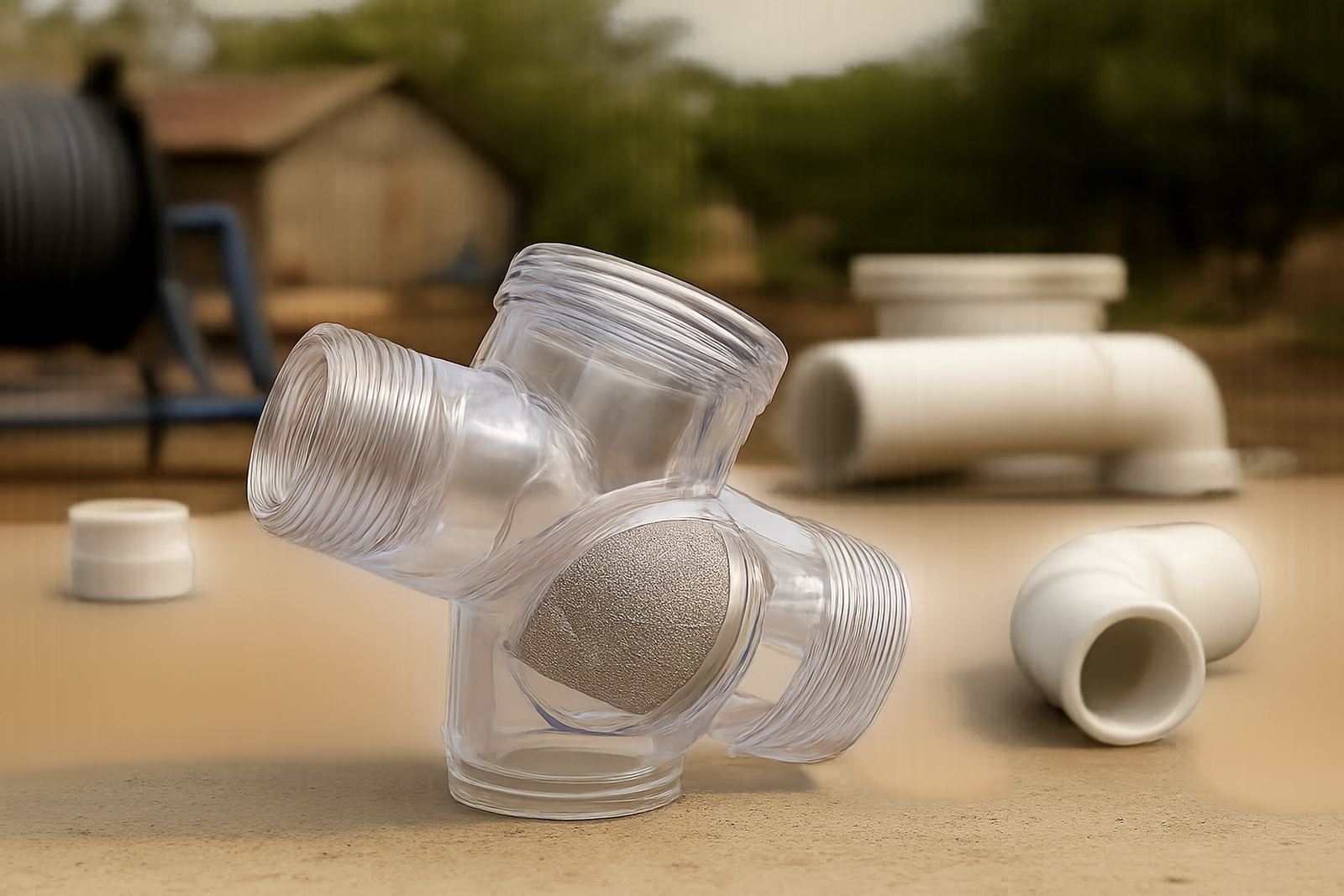
Non return valves are fitted where you need to keep water moving forward only. When the pump stops, pressure drops, or a line drains down, the valve closes and helps stop backflow. That matters on borehole systems, tank-fed lines and boosted irrigation runs where water can otherwise run back and cause air locks, loss of prime or hammering in the pipe.
In everyday use, the valve sits quietly in the line and opens with forward pressure. Once flow slows or reverses, the internal disc or flap seals against the seat. It is a small part, but on a working farm or landscaped site it protects the system from unnecessary strain and keeps the next start-up easier, not a struggle.
Sizes, pressure ratings and fitting options
We supply non return valves for common irrigation pipe sizes used across South Africa, from smaller garden and nursery lines through to larger farm and municipal-type installations. Choosing the correct size is important because a valve that is too small can restrict flow, while one that is too large may not seal properly at lower pressures.
- Typical sizes: 20 mm, 25 mm, 32 mm, 40 mm, 50 mm, 63 mm and larger on request
- Connection types: solvent-weld socket ends, threaded ends, or combination fittings depending on the line
- Pressure class: selected to suit normal irrigation working pressures and pump start-up pressure
- Orientation: some valves are for horizontal lines only, while others can be installed in multiple positions
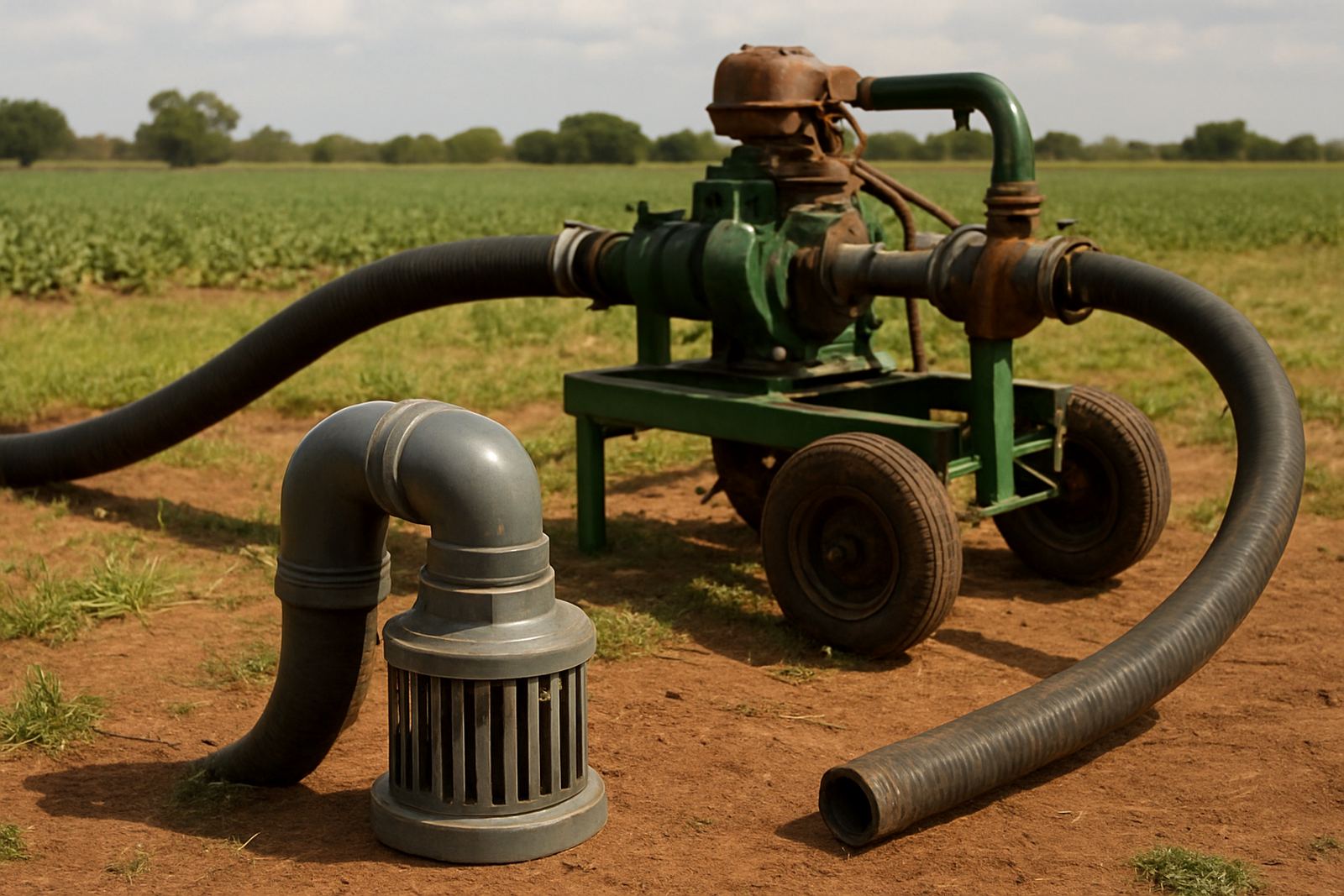
For farms in Limpopo where mainlines can run long distances, it is worth matching the valve size to the pump output and the actual pipe diameter. That helps keep losses down and the system more predictable, especially where pressure is already tight.
Where this valve suits best
These valves are used in many irrigation setups, including centre pivot feed lines, drip systems, orchard blocks, nursery benches, borehole discharge lines and storage tank transfer lines. They are also useful where a line sits above the source water level or where drainage back into a pump must be prevented after shutdown.
For contractors and farmers working in Polokwane, Mokopane, Tzaneen, Hoedspruit, Lephalale or Thohoyandou, the best fit often depends on water quality, pipe route and how often the system is switched on and off. In sandy areas, and on sites with silt in the supply, a valve with fewer moving parts and a clear inspection path is often easier to live with.
- Useful for pump protection on suction or discharge lines where applicable
- Helps prevent line drain-down on sloped terrain
- Supports more stable pressure in drip and micro irrigation networks
- Helpful on seasonal systems that are started and stopped often
Installation notes and power or gas requirements
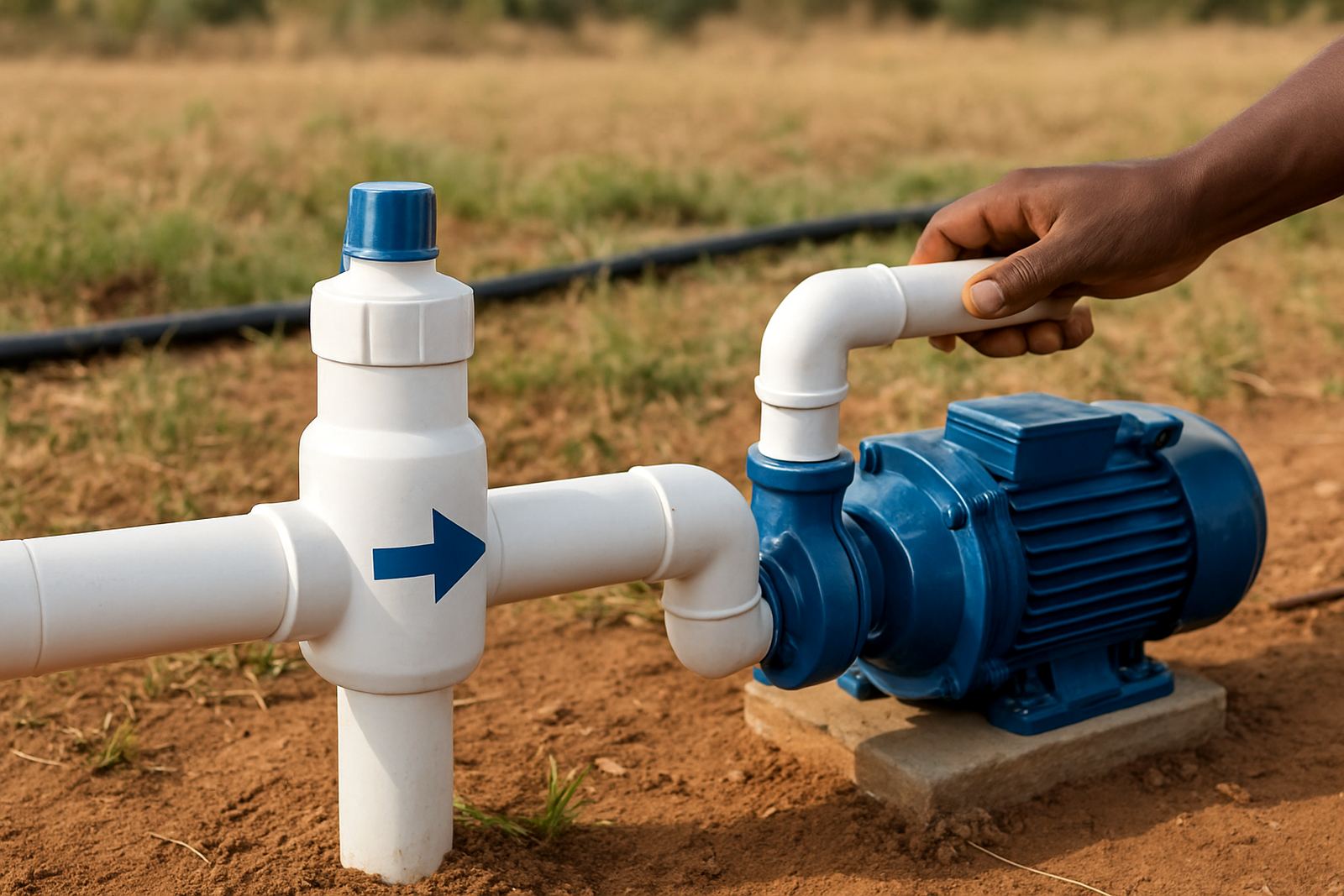
Non return valves do not need power or gas to operate. They work mechanically from water pressure only, which makes them reliable in load-shedding conditions and on remote installations where electrical continuity is not guaranteed. That said, the valve must be installed the right way round. The body is usually marked for flow direction and should be placed so the arrow points toward the irrigation field or the next section of the system.
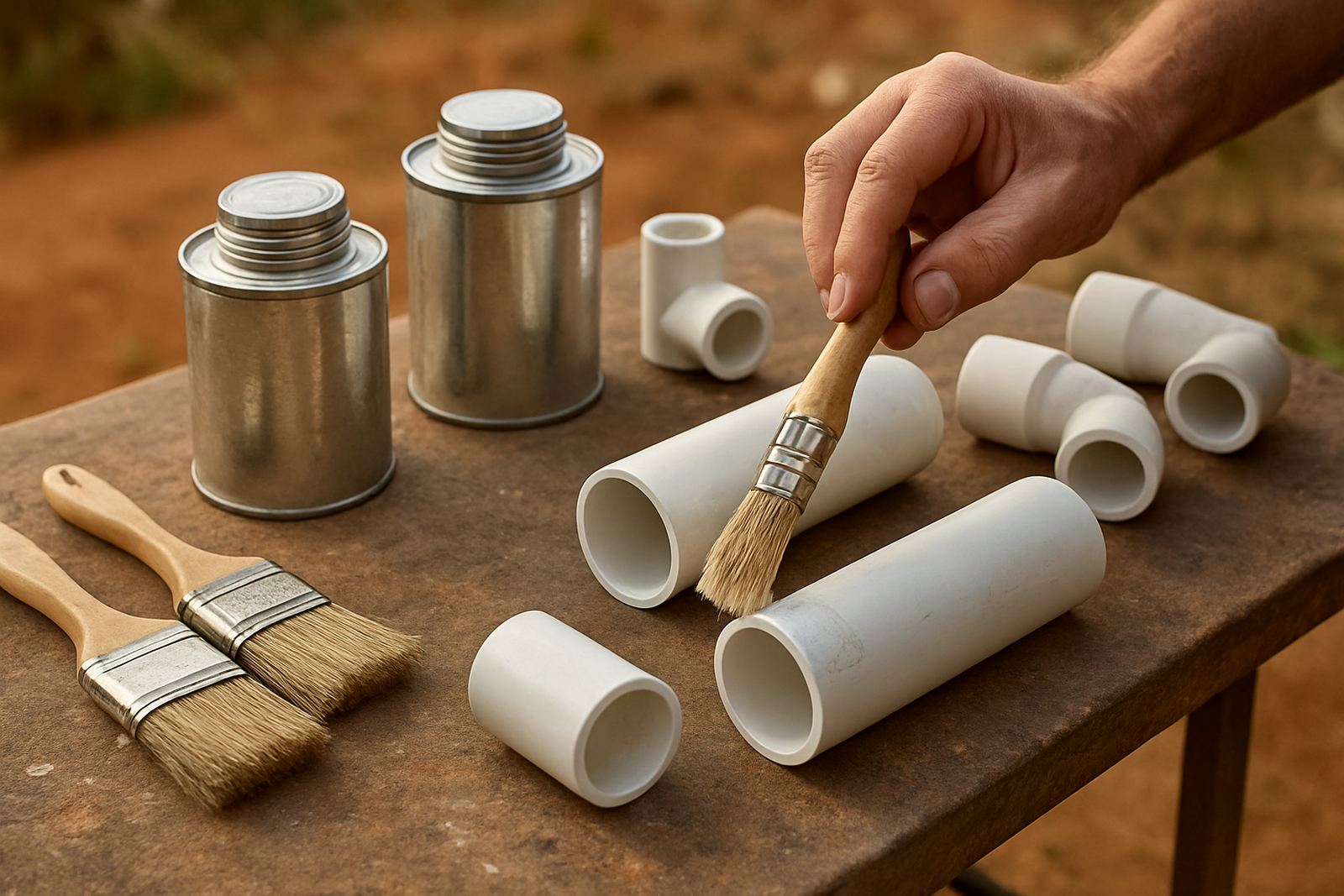
Before solvent welding, check that the pipe ends are clean, square and dry. Use the correct primer and solvent cement for the pipe material and allow proper curing time before pressurising the line. On threaded connections, use suitable sealing material and avoid overtightening, which can crack fittingss or distort the seat. If the line carries high pressure, support the pipe properly so the valve is not carrying unnecessary weight.
- Install in the correct flow direction
- Allow enough straight pipe space before and after the valve where possible
- Keep the valve accessible for inspection and future replacement
- Pressure test gradually after installation, not all at once
Care, servicing and what to watch after fitting
Most non return valves need very little day-to-day attention, but regular checks are still smart. Look for leaks around joints, unusual vibration, pressure drop, or a pump that seems to lose prime more often than it should. If a valve starts chattering, sticking, or allowing water to flow back, it may have debris trapped on the seat or internal wear from grit.
In coastal or high-humidity areas, keep an eye on metal components around the valve assembly, and in dusty inland areas check for sand or fine solids after maintenance work on the line. If a system is shut down for long periods, drain and inspect the line before bringing it back into service. A quick clean-out can save a bigger repair later, especially where the valve is part of a busy irrigation main.
- Inspect after the first few days of operation
- Check again after filter cleaning or pump servicing
- Replace worn seals or the full valve if the seat is damaged
- Keep spare units for farms that cannot afford downtime
What to check when ordering your valve
To match the right non return valve to your system, start with the pipe size, the pipe material and the working pressure. Then confirm whether the line is solvent-weld, threaded or needs an adaptor. If the valve is going onto a borehole discharge, a booster line or a tank feed, tell us the setup so the correct type can be suggested. We also help with quantity checks for larger blocks, so you can order once and avoid delays on site.
It helps to know the water source, the pump size, whether the line is above ground or buried, and whether the system runs continuously or in short cycles. For contractor accounts, farm order planning and repeat order support, we can help keep the same specification across multiple sites. If you are not sure, send the details through the enquiry form and we will help you match the valve to the line, not just the size on paper.
Why buyers across Limpopo keep these on hand
For irrigation work, a non return valve is one of those parts you are glad to have in stock before a line fails. It protects pumps, supports cleaner starts and reduces the chance of water draining back where it should not. That is especially useful on farms where sections are long, pressure is uneven, or the system is switched between blocks through the day.
PVC Welders supplies irrigation fittings and tools from Ladanna in Polokwane with stock moved across Limpopo and couriered nationwide. If you need product selection, stock reserving, regional delivery or after sales support, we can assist with the right valve for the job and help you keep your system moving. Small part, big difference.
Key facts
| Product type | Non return valve for irrigation systems |
|---|---|
| Common sizes | 20 mm to 63 mm, larger sizes on request |
| Connection styles | Solvent-weld socket and threaded options |
| Main function | Prevents reverse flow and line drain-back |
| Operating method | Mechanical, no power or gas required |
| Typical uses | Pump lines, drip irrigation, orchards, nurseries and tank transfer |