
What solvent cement does in an irrigation line
Solvent cement softens the mating surfaces of compatible PVC parts, allowing them to fuse when pushed together. Once set, the joint is made for permanent use and is suitable for pressure irrigation lines, manifolds, valve connections and many underground runs. For irrigation work, that means fewer weak points and less worry about fittings working loose after heat, vibration or repeated water hammer.
It is important to match the cement to the pipe and fitting type, and to use it with the correct cleaner or primer where the system calls for it. A proper joint starts with clean, dry, square-cut pipe ends and a dry fit that confirms alignment before the cement goes on. In Ladanna and across Limpopo, where dust, heat and long sunny days are common, that prep makes a real difference to joint quality.
Sizes and product options for site work
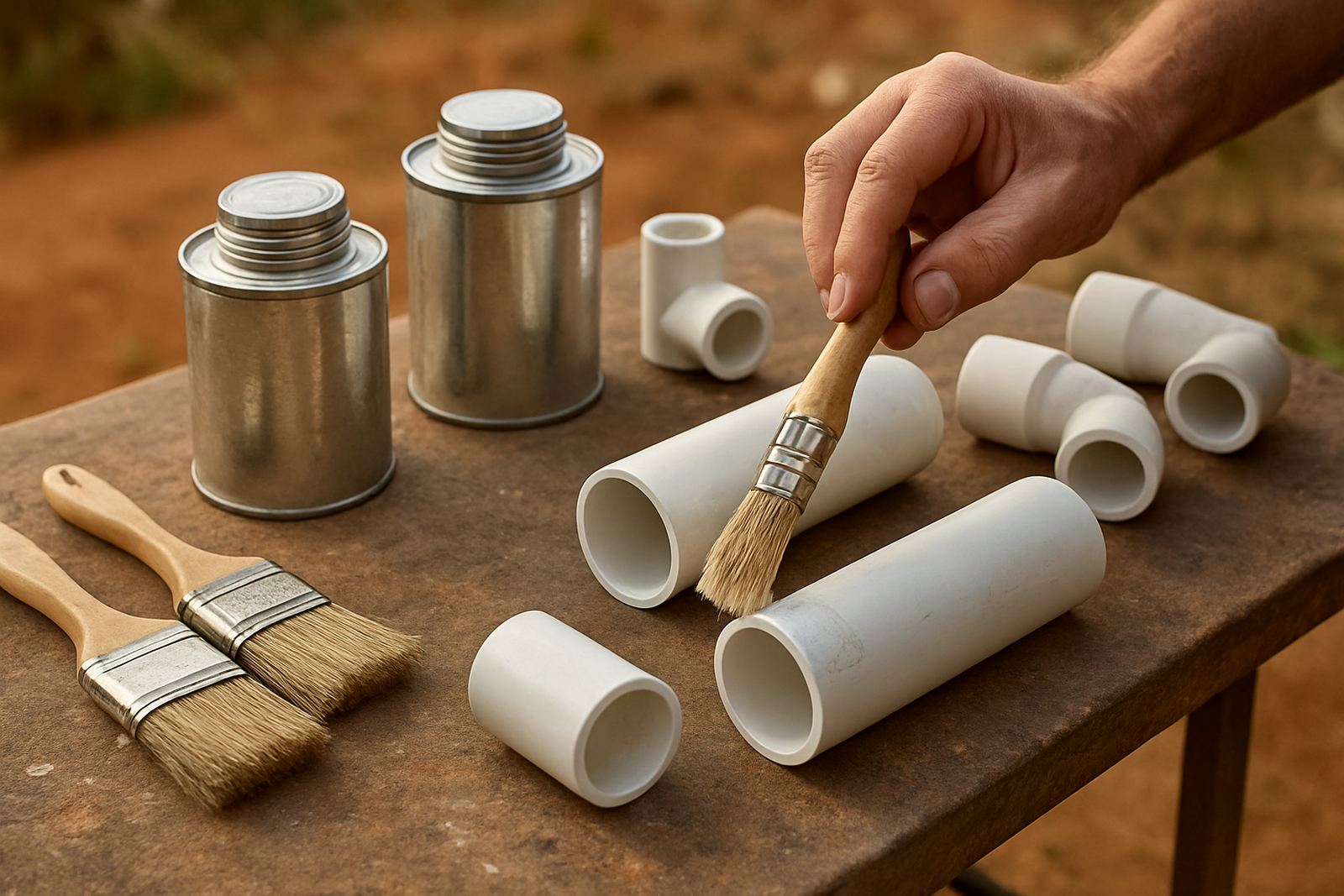
Solvent cement is usually supplied in practical tins or cans for workshop and field use, with smaller containers for light maintenance and larger cans for bulk installation. The right size depends on how many joints you make in a day, the pipe diameter, and whether the crew is building a new line or repairing existing sections. Contractors often keep a smaller kit in the bakkie for call-outs and a larger container at the depot for planned installs.
- Small packs for repairs and odd jobs
- Medium tins for daily irrigation installation
- Bulk packs for farm layouts and contractor teams
- Fast-access lids for repeat opening on site
- Clear labelling for pipe class and application
For larger projects, it helps to order enough cement for the full job plus a small allowance for test pieces and unexpected changes. That avoids running short halfway through a trench line or during a tight installation window.
Where it suits best on farms and estates
This product suits irrigation systems where PVC pipe and fittings are used for water distribution, pump-to-line connections, valve assemblies and fixed runs. It is commonly used on farms, landscaped properties, sports fields, nurseries and municipal or commercial water layouts. In warm inland areas and on coastal jobs with humidity, the right jointing method helps keep lines tidy and serviceable over time.
It is especially useful where the system must handle regular pressure changes, long pipe runs and outdoor exposure. For buried lines, a sound solvent-welded joint helps reduce seepage and makes later servicing more predictable. On surface runs, a neat joint also cuts down on movement and accidental disconnections during maintenance, which is important when crews are working fast and water is already off.
- Drip and micro-irrigation header lines
- Main irrigation supply pipes
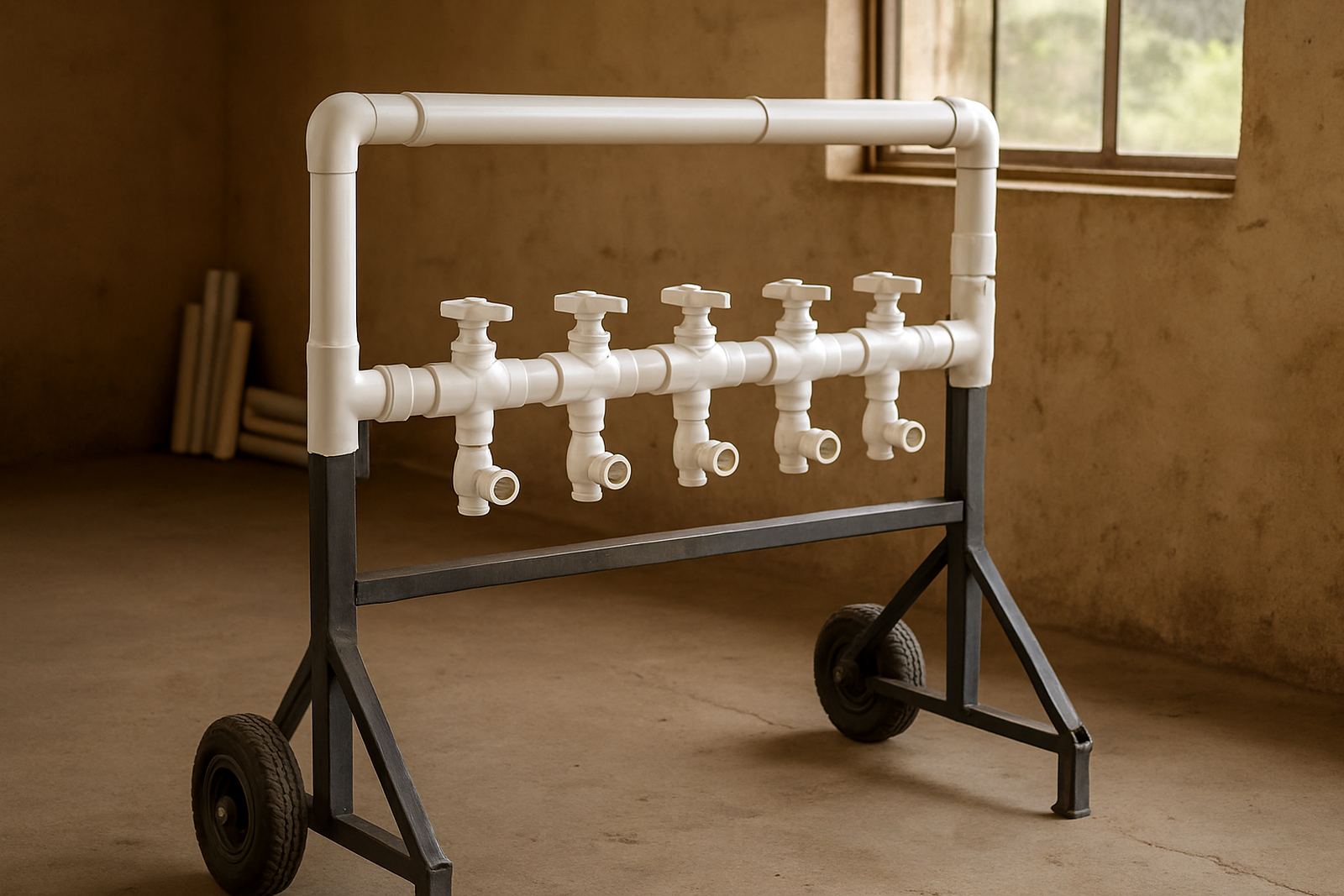
- Valve chambers and manifold assemblies
- Farm storage and transfer lines
- Landscaping and estate irrigation networks
How to install it properly on site
Good installation starts with a clean cut, dry fit and correct alignment. Check that the pipe is fully inserted to the socket depth, then apply cement evenly to both surfaces where required. Push the parts together in one motion and hold them steady for the initial set time. Wipe away excess cement before it skins over, then leave the joint alone until it has cured enough for pressure testing. If the system is being built in hot weather, work a bit quicker because solvent flash-off happens faster.
No power or gas is needed for the cement itself, which makes it practical for field work, remote farms and load-shedding conditions. You do not need a generator for the bonding process, only a clean work area and the usual hand tools for cutting, deburring and fitting. For contractor teams, this keeps installation simple and lets crews continue with jointing even when power supply is erratic.
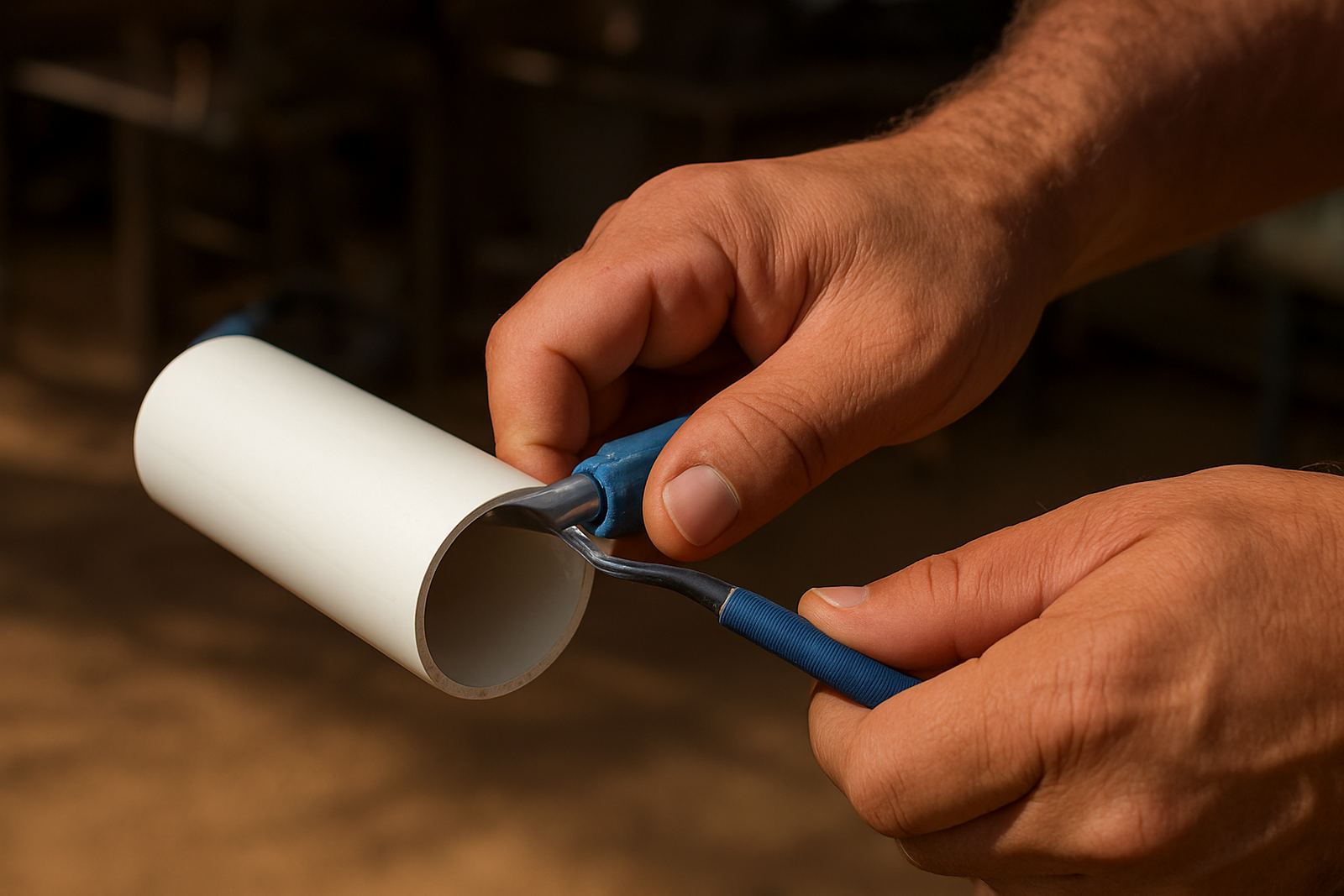
- Use a pipe cutter or fine saw for a square end
- Remove burrs and dust before applying cement
- Check socket depth before gluing
- Allow proper cure time before pressurising
- Keep containers sealed between uses
Care, storage and servicing on busy teams
Solvent cement should be stored tightly closed, out of direct sun and away from heat sources. If the lid is left loose, the product can thicken and become harder to apply, especially in hot sheds or bakkie storage boxes. Keep it upright and wipe the rim after use so the seal closes properly. On coastal routes or in humid conditions, checking the lid and condition of the cement before a job can save time and prevent wasted fittings.
For servicing, the main routine is simple: check the container before each day’s work, stir only if the product instructions allow it, and replace any cement that has gone stringy or lumpy. Do not top up with water or mix in other products. A small label with opening date and job area can help teams track stock use, especially when order planning is split between Polokwane, Tzaneen and outlying delivery routes. It is a small thing but it keeps stock control cleaner.
What to check before you place an order
Before ordering solvent cement, check the pipe material, the fitting class and the type of work you are doing. Some jobs need standard joining only, while others may need a specific preparation method or matching cleaner. You should also confirm the pipe diameters, how many joints are needed, and whether the work is a new installation, a repair or a repeat maintenance run. That helps avoid delays and reduces wasted product.
If you are planning a farm order, it is worth listing the quantities by line or block so stock can be reserved correctly. Contractors should also note whether the cement will be used for pressure irrigation, buried runs or light maintenance, because that affects quantity planning and curing time on site. For customers ordering through the enquiry form, include the location, pipe sizes and expected delivery point so the team can sort collection, regional delivery or courier dispatch without back-and-forth.
- Pipe diameter and material
- Number of joints or planned line length
- Pressure level and use case
- Whether primer or cleaner is also needed
- Delivery area, farm gate or site address
Key facts
| Product type | PVC solvent cement for compatible irrigation joints |
|---|---|
| Use | Permanent solvent-weld bonding for irrigation pipe and fittings |
| Typical pack sizes | Small, medium and bulk containers for site and depot use |
| Application areas | Farms, landscapes, estates, nurseries and contractor installs |
| Installation needs | Clean dry pipe, hand tools, no power or gas required |
| Supply coverage | Ladanna, Polokwane and nationwide courier dispatch |