
What a manifold set does in an irrigation system
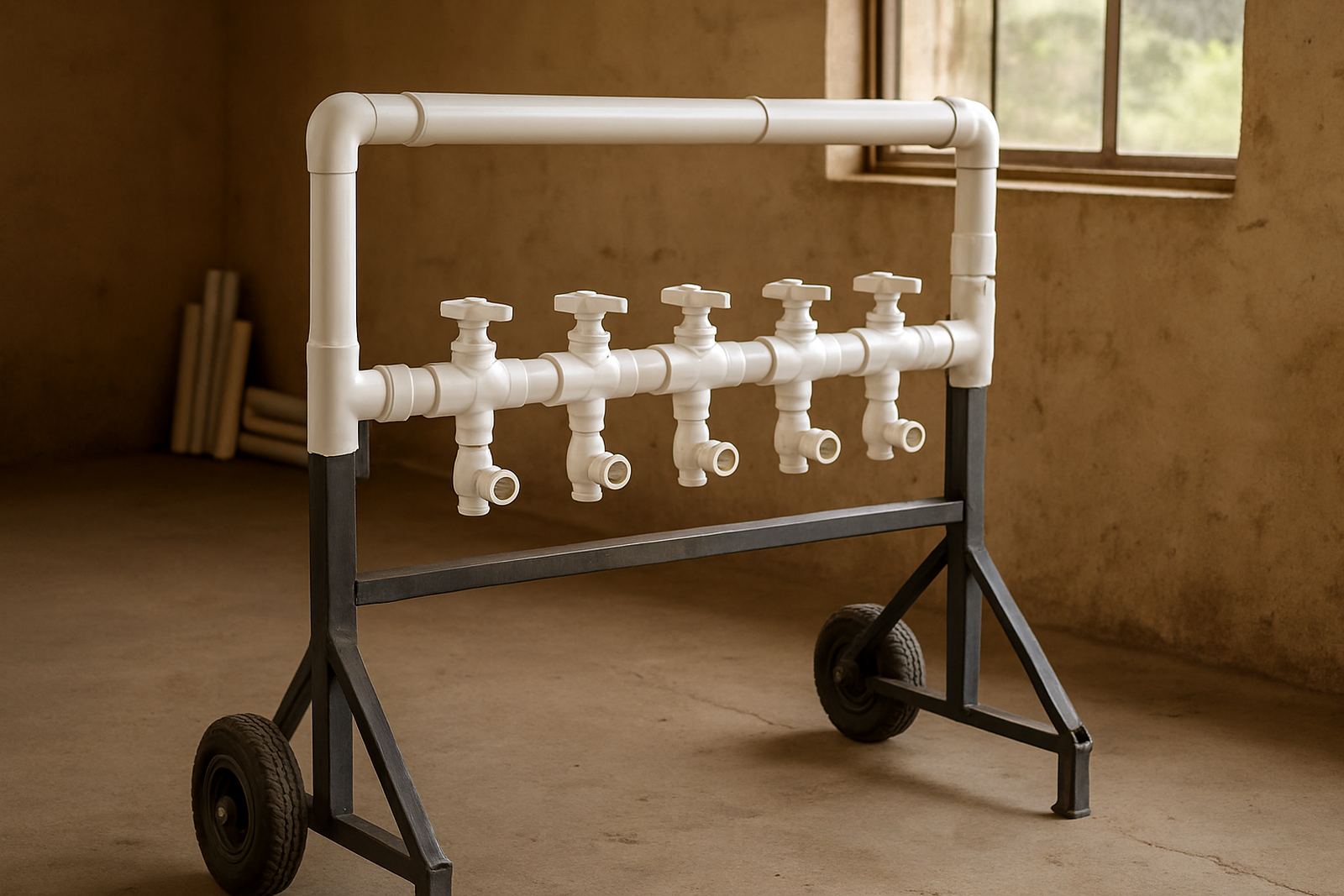
A manifold set brings multiple outlet points into one controlled assembly, making it easier to split water to different zones, beds or blocks from a single supply line. In practical terms, it helps keep the system tidy and makes it simpler to isolate one section for servicing while the rest of the network keeps running.
For irrigation work, that matters because pressure losses, uneven flow and awkward repairs can become expensive if the layout is poorly planned. A good manifold set gives you a central point for zone control and helps reduce unnecessary joins in the field. It is a useful choice for farms, nurseries, estates and landscaped sites where water has to be distributed in a planned way.
- Central feed connection for multiple irrigation zones
- Neater pipe routing with fewer random branch lines
- Easier isolation for repairs, flushing and zone changes
- Suitable for solvent-weld PVC irrigation installations
Because the set is built for outdoor irrigation use, it needs to hold up in sun, soil, moisture and regular handling. That is why matching the fitting size and pressure rating to the system is important from the start.
Sizes, outlet counts and fitting options
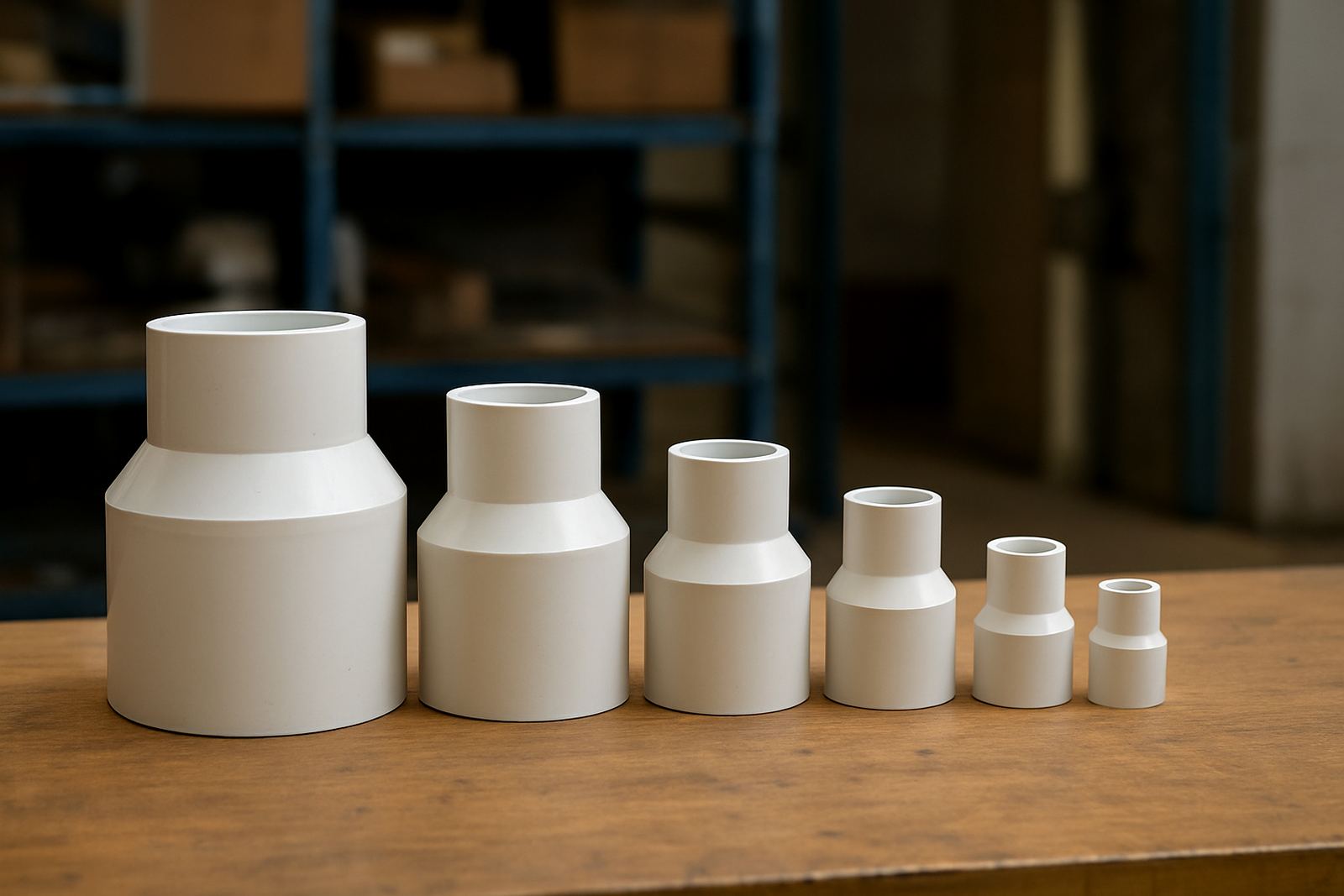
Manifold sets are usually selected by the number of zones required and the pipe size feeding them. Common configurations are built around 20 mm, 25 mm, 32 mm, 40 mm and 50 mm irrigation pipe, with outlet counts arranged to suit the application. Smaller gardens may only need a compact set, while larger blocks and farms often need a wider layout with more take-offs.
The right option depends on how many valves or branches you want to control, the expected flow, and whether the manifold will sit above ground or in a valve box. In some installations, it is better to use a straight run with equal outlets. In others, a stepped arrangement makes the pipework easier to service and keeps the layout cleaner.
- Available for common irrigation pipe sizes from 20 mm to 50 mm
- Multiple outlet layouts for several zones or branches
- Solvent-weld connections for permanent irrigation work
- Can be matched to valve boxes, control points or open mounting
For clients working in dusty inland areas or high heat, a correctly sized manifold helps reduce strain on the system. On coastal sites, it also helps limit unnecessary joints that may need more frequent attention because of moisture and salt air.
Where manifold sets are commonly used
These sets are used wherever one supply line must feed more than one irrigation section. That includes orchards, vegetable blocks, lifestyle properties, nurseries, sports fields and landscaped commercial sites. Contractors also use them when they need a clean way to hand over a system that can be understood quickly by the owner or caretaker.
In Polokwane and across Limpopo, many installations deal with long runs, warm weather and supply lines that must be planned carefully to avoid pressure problems. A manifold set can help when a property has separate lawn areas, drip zones, shrub beds or shade-house sections that need different watering schedules. It is also useful where municipal or borehole supply must be managed carefully and water cannot be wasted.
For larger agricultural work, the set can support repeatable zone control. That helps with farm order planning, stock reservations and future expansion too, because a proper manifold layout makes it easier to add another line later if the system grows.
- Farms and smallholdings
- Landscaped gardens and estates
- Nurseries and shade houses
- Contractor and maintenance installs
Installation points and practical power notes
Most manifold sets are installed as part of a solvent-weld PVC system, so the pipe ends must be clean, square and dry before assembly. Correct alignment matters, because a twisted joint puts unnecessary strain on the fitment and can cause trouble later. Before final jointing, the installer should check the spacing, outlet direction and working height so the set sits neatly in the chosen position.
These sets do not need power or gas to function on their own. They are passive pipe assemblies, used to distribute water through the irrigation network. If the manifold is paired with electric valves, controllers or pumping equipment, then power requirements will depend on those separate components. For sites with load-shedding, it is sensible to plan the manifold and valve layout so the system can still be understood and isolated manually when needed.
On installations exposed to sun or rough handling, it helps to keep the manifold protected in a box or service point where possible. That makes inspections easier and reduces accidental knocks from tools, vehicles or garden equipment.
Care, servicing and long-term use
A manifold set needs very little day-to-day care, but it should be checked during normal irrigation maintenance. Look for signs of leaks at the joints, movement at the base, pressure loss on one branch, or any cracking caused by impact or poor support. In areas with strong sun, exposed PVC should be inspected regularly because long-term UV exposure can make material more brittle if it is left unprotected.
For reliable performance, keep the area around the manifold clear of soil build-up and vegetation. That makes it easier to service valves, flush lines and replace a section if needed. Where water is hard or carries sediment, flushing the system now and then helps keep outlet passages open and reduces blockage issues.
- Check joints during routine irrigation inspections
- Keep service access clear for repairs and flushing
- Protect exposed pipe from impact and direct sun where possible
- Replace damaged sections early rather than patching repeatedly
With sensible care, a properly selected manifold set can give dependable service for many seasons. The key is correct sizing, sound installation and regular checks, not constant attention.
What to check before you place an order
Before ordering, confirm the main pipe size, number of zones, outlet count and the pressure rating needed for the system. It also helps to know whether the manifold will connect to valves, drip lines, sprinklers or a mixed layout. If the site has a pump, borehole or municipal supply, the expected working pressure should be known so the fitment can be matched properly.
Clients should also check whether they need a left-hand or right-hand layout, straight-through or stepped arrangement, and whether the set must fit inside a box or along a wall. For contractor jobs, quantity checks are important because extra fittings are often needed for brackets, couplers and future repairs.
- Main feed pipe size and outlet pipe sizes
- Number of irrigation zones required
- Working pressure and supply source
- Mounting position and available space
- Whether valves or other accessories will connect to the set
If you are unsure, our team can help with product selection, system matching and jointing advice. That saves time on site and helps avoid buying a manifold that is too small, too large or awkward to fit.
},{Key facts
| Product type | PVC irrigation manifold set for zone distribution |
|---|---|
| Connection method | Solvent-weld PVC joints |
| Common sizes | 20 mm, 25 mm, 32 mm, 40 mm, 50 mm |
| Typical use | Multiple irrigation zones from one central feed line |
| Installation | Above ground or in a service box, depending on layout |
| Power or gas | Not required for the manifold itself |