What a 90 Degree Elbow Does in an Irrigation Line
A 90 degree elbow is used when a pipe run needs to turn sharply around a bed, boundary, block line, pump house wall or dam edge. In irrigation work, it helps keep the layout neat while maintaining a controlled water path through the system. Where a bend in pipe would create drag or weak spots, a solvent-weld elbow gives a fixed connection that suits permanent installations.
These fittings are commonly used on farm reticulation lines, garden and landscape irrigation, nursery lines and contractor installations. They are practical where space is tight or where a straight pipe cannot continue in one line. For long runs across a property, an elbow also helps reduce improvised bends and awkward joins that can cause leaks later on.
Because irrigation systems often face heat, sun exposure and pressure changes, a properly selected elbow is not just a corner piece, it is part of the system's structure. On open sites in Limpopo, that matters even more when lines are exposed to UV and dust, or when pressure is switched on and off during load-shedding recovery.
Sizes, Pressure Ratings and Socket Options
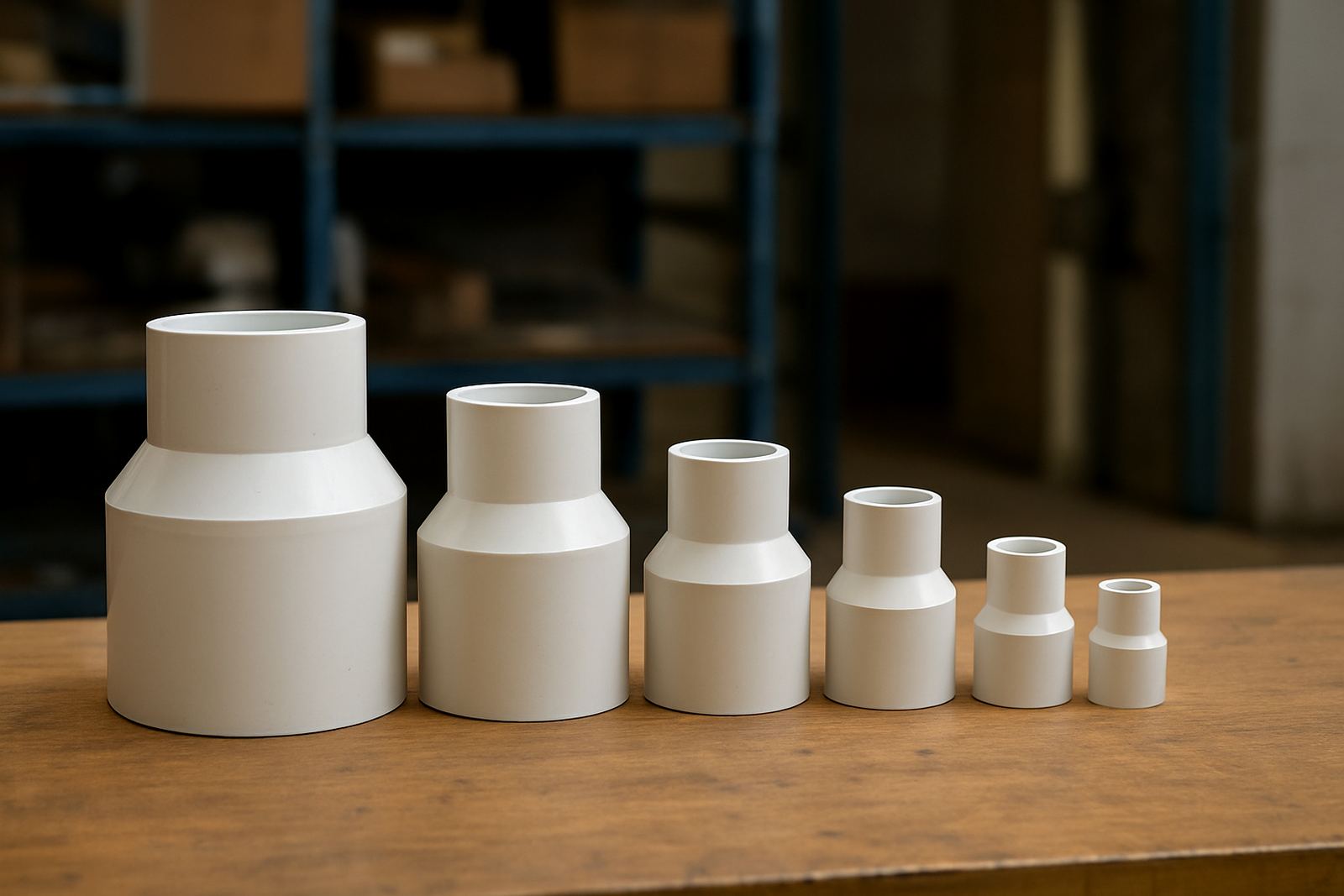
Our 90 degree elbows are supplied for common irrigation pipe sizes used in South Africa. The exact size you need depends on the pipe diameter, the pressure in the line and the type of jointing you are using. Most buyers will choose from standard metric sizes, with options suited to light duty irrigation as well as heavier farm and contractor work.
Available options typically include short radius and long radius styles, plus socket ends sized for solvent welding. Where the system needs a neat close turn, a standard elbow is often enough. Where flow loss needs to be kept down, a more gradual option may be a better fit. We can help match the fitting to the pipe and the application so you do not overbuy or under-spec.
- Standard metric sizes for irrigation pipework
- Solvent-weld socket ends for permanent joining
- Options suited to low, medium and higher pressure lines
- Suitable for new builds, repairs and extensions
If you are ordering for a large farm or contractor job, it is worth checking the full bill of materials before you confirm quantities. A line can need more elbows than expected once corners, risers and manifold changes are counted.
Where a 90 Degree Elbow Suits Best
These fittings suit irrigation systems where the pipe route needs a definite turn and the join must hold over time. They are a good choice for orchards, vegetable blocks, landscaped grounds, sports fields, nurseries and homestead systems. On properties around Polokwane, Mokopane, Tzaneen and Hoedspruit, elbows are often used to keep pipework close to walls, fences and planted rows.
In sandy or dusty areas, a fixed elbow is easier to maintain than a loose or strained bend. On coastal or humid jobs elsewhere in the country, the main concern is not the elbow itself but the quality of the joint and the accuracy of the installation. If the fitting is cleanly prepared and properly solvent welded, it forms part of a durable line.
- Perimeter runs around buildings and boundary walls
- Corner changes in orchard and row-crop irrigation
- Nursery and shade-net water distribution
- Pump house connections and manifold turns
- Repairs where damaged bends need replacing
For contractors, elbows are also useful when setting out a job where the pipe path must follow a measured layout. That makes the fitting useful on both small domestic systems and larger agricultural installations.
Installation, Solvent Welding and Power Considerations
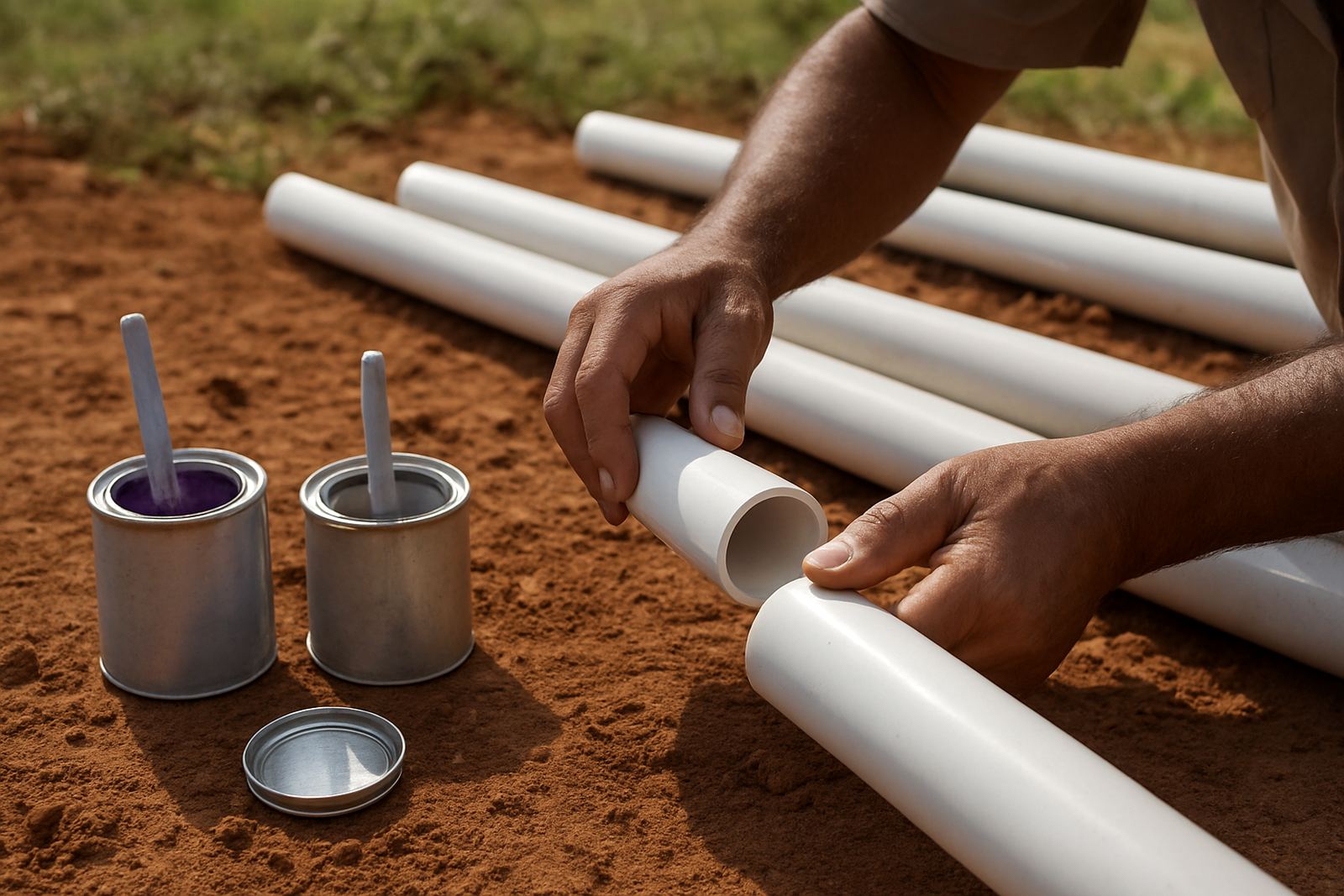
Most 90 degree elbows in this range are installed by solvent welding. That means the pipe and socket are cleaned, primed if required by the system, and joined with the correct solvent cement. The joint should be aligned properly before the cement sets, because once it grabs, there is little room for adjustment. A clean cut and a dry fit are important, otherwise the pipe can sit crooked and place stress on the line.
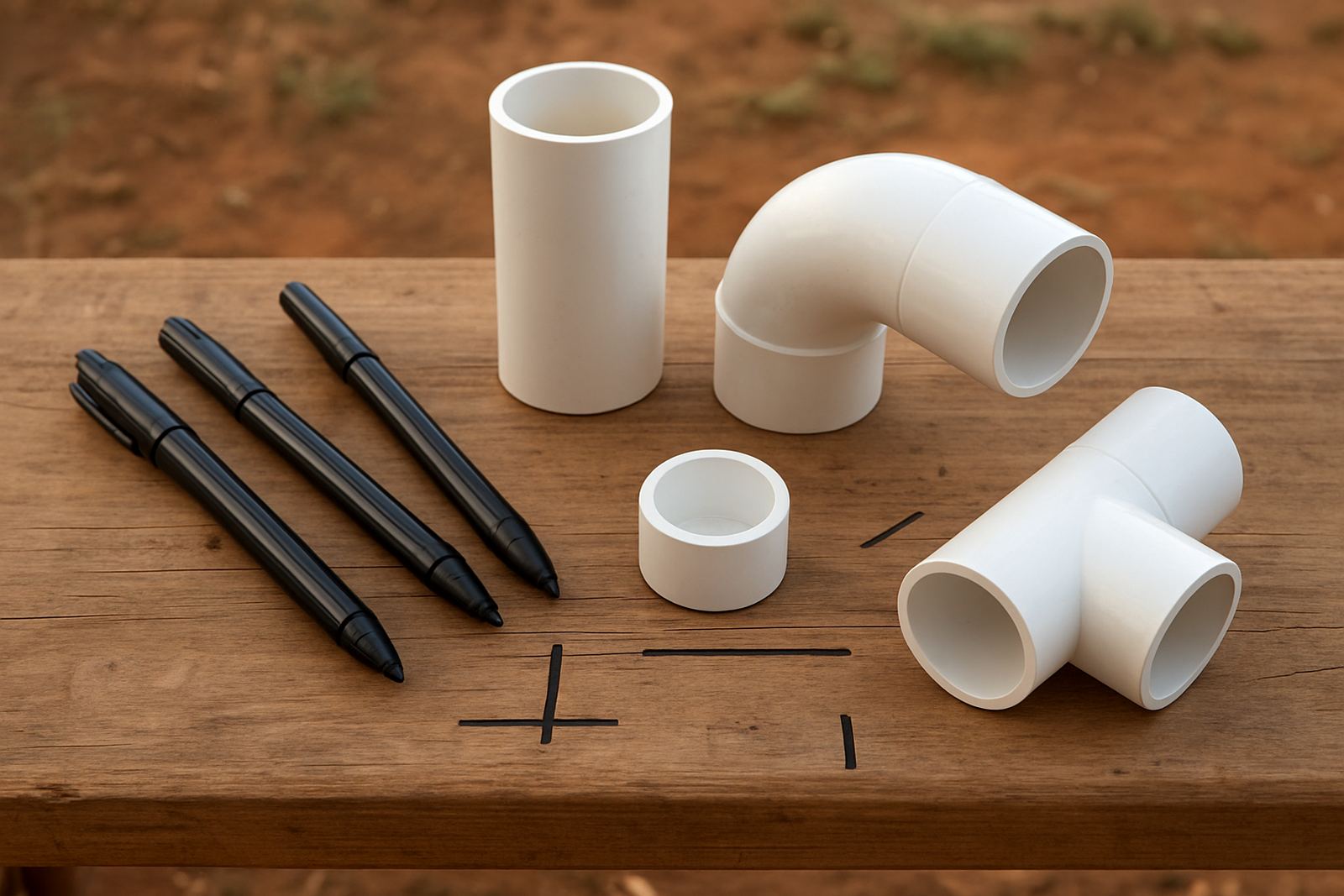
No gas or electrical power is needed to install the fitting itself, which is helpful on sites where power supply is irregular. In fact, many irrigation repairs are done after hours or during a pump shutdown window, so a simple hand-tool installation is often the most practical option. Use the correct cutter, measuring tape and marker, and allow the joint enough curing time before pressurising the line. On hot days in Limpopo, curing can move quickly, so work neatly and do not rush the assembly.
Where the system is being modified near a pump or pressure set, check that the elbow is rated for the working pressure in that section. If the line is carrying pressure spikes or frequent switching, the wrong fitting can become a weak point over time.
Care, Servicing and What Helps the Fitting Last
A 90 degree elbow does not need complicated servicing, but it does benefit from sensible care. Keep the pipe ends clean before jointing, avoid twisting the fitting after it has set, and protect exposed pipework from knocks where machinery or foot traffic passes close by. In open farm yards and contractor sites, a small impact can loosen a poorly installed joint even when the fitting itself is sound.
If the line is shut down for repairs, inspect the elbow for stress marks, hairline cracks or signs that the socket has been overfilled with solvent. Check also for movement around the joint after pressure returns. When a line is buried, look for soil settling or wet spots that may point to a poor join rather than a failed fitting. Regular checks save time and water, which matters when pumping costs are high.
Stored stock should be kept out of direct sun where possible, and away from sharp edges that can scar the socket ends. Like other PVC irrigation fittings, these elbows last best when they are fitted correctly and not forced into an uneven run.
What to Check Before You Place an Order
Before ordering, confirm the pipe size, the pressure rating, and whether you need a standard elbow or a version suited to a specific layout. If you are matching existing pipework, measure the outside diameter carefully and check the current fitting type on site. A small size mismatch can delay installation and lead to extra transport or courier costs.
It also helps to count the number of corners, branches and future reserve pieces you may need for maintenance. Farmers and contractors often order a few extra elbows for breakages and emergency repairs, especially on bigger sites or where stock has to be trucked across Limpopo. For repeat jobs, keeping the same fitting spec across the site makes later repairs easier and avoids confusion when spares are needed.
- Pipe size and wall thickness
- Pressure rating of the line
- Number of corners needed on site
- Whether the fitment is for new work or repair
- Quantity required for spare stock
If you are unsure, our team can help with product selection, quantity checks and system matching through the enquiry form on the contact page. That is often the fastest way to avoid ordering the wrong elbow for a job that needs to go in straight away.
Key facts
| Product type | PVC solvent-weld 90 degree elbow |
|---|---|
| Function | Changes pipe direction by 90 degrees |
| Jointing method | Solvent weld socket connection |
| Common use | Irrigation pipework, repairs and new installations |
| Size range | Metric irrigation sizes subject to stock and application |
| Supply area | Ladanna Base, Limpopo deliveries and nationwide courier dispatch |