What a foot valve does in an irrigation line
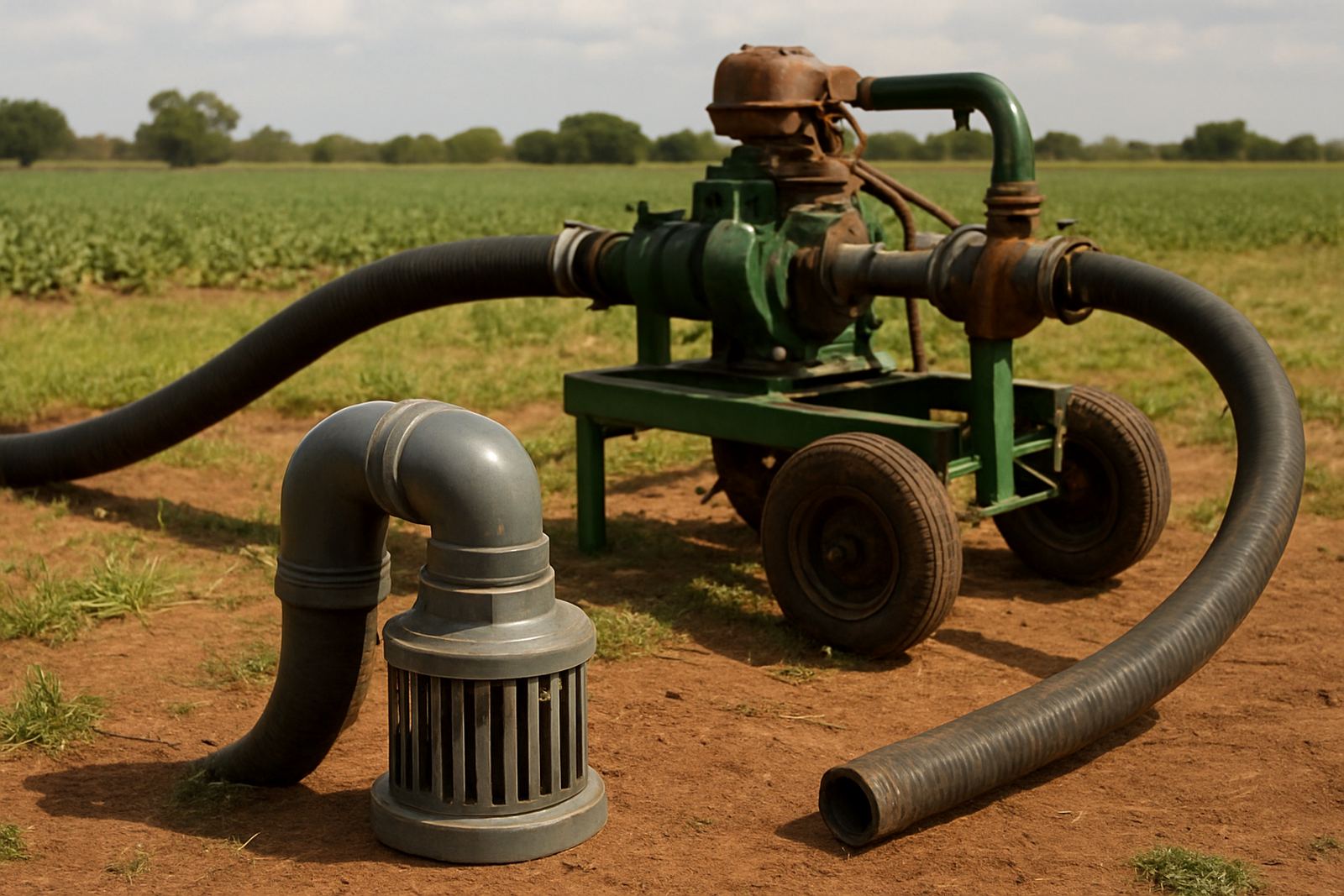
A foot valve is fitted at the lower end of a suction line, usually at the water source, to keep water from draining back when the pump switches off. In simple terms it acts like a one-way valve, so the line stays charged and the pump has less work to do at the next start-up.
For irrigation, that matters when you are drawing from a dam, tank, canal or borehole feed and need steady suction performance. It helps reduce loss of prime, cuts down on re-priming time and can protect pump components from dry running. On sites with load-shedding or irregular switching, that extra retention can save time and hassle.
Sizes and build options to match the suction line
We supply foot valves for common irrigation pipe sizes so the valve matches the suction line and flow requirement. The right size depends on the pipe diameter, pump capacity and the amount of water the system needs to move. A valve that is too small can restrict flow, while one that is too large for the setup can be harder to seat properly.
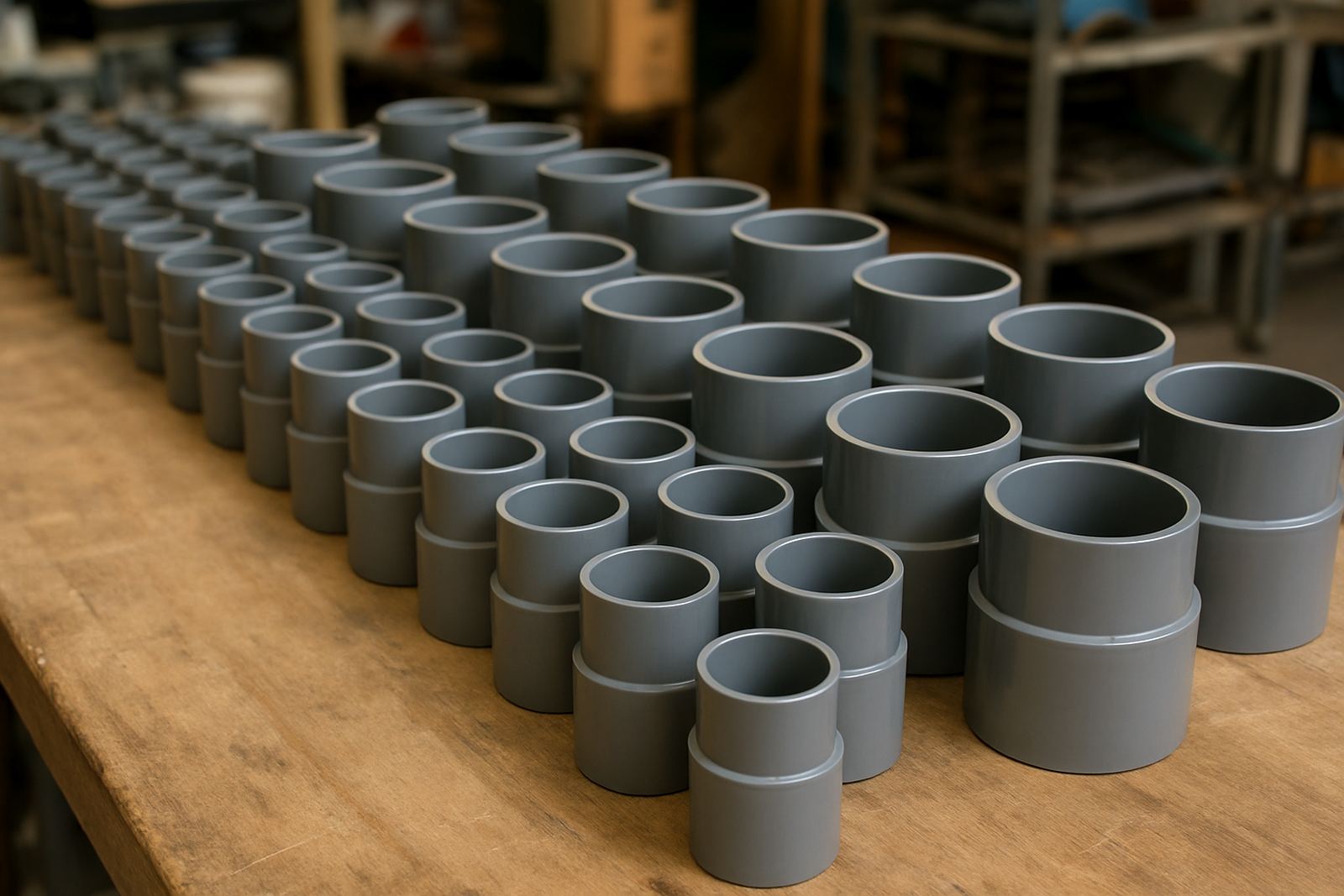
- Common sizes: 40 mm, 50 mm, 63 mm, 75 mm and 90 mm, with larger options available for certain systems
- Connection style: solvent-weld socket ends for PVC pressure pipe and fittings
- Internal design: spring or flap style depending on the application and flow needs
- Screening: inlet strainer to help keep stones, reeds and coarse debris out of the line
- Material use: outdoor-rated PVC components suited to irrigation duty
In dusty inland areas and on farms with sediment in the water, a screened valve is especially useful. In coastal regions, good quality PVC helps with corrosion resistance where metal parts would struggle more quickly.
Where a foot valve works best on local sites
Foot valves are used on irrigation systems that need suction retention and reliable pump priming. They suit borehole transfer lines, dam suction lines, small pump stations, nursery irrigation and contractor installs where the pump may be stopped and started through the day.
They are also common where the water source sits below the pump and the line could drain back if left open. On farms around Polokwane, Mokopane, Tzaneen and beyond, this is a practical fit for irrigation lines that are expected to work hard through long seasons. The valve helps when the system is left idle overnight or during power interruptions, then brought back on line again in the morning.
- Farm irrigation pumps drawing from open water sources
- Landscape irrigation with suction-fed pump sets
- Nursery and tunnel watering systems
- Temporary contractor pump installations
- Water transfer lines where prime must be retained
Installation notes and power requirements
A foot valve is fitted on the suction side only, at the lower end of the pipe. It must be installed in the correct flow direction and kept below the water level needed for reliable intake. The suction line should be airtight, because even a small leak can cause prime loss and poor pump performance.
Most foot valves do not need electricity or gas themselves, but they depend on the pump system being correctly sized and powered. The pump can be electric or engine-driven, as long as it matches the line size and duty cycle. For sites affected by load-shedding, many customers choose a setup that can restart cleanly after power returns, which makes a valve that holds prime very helpful.
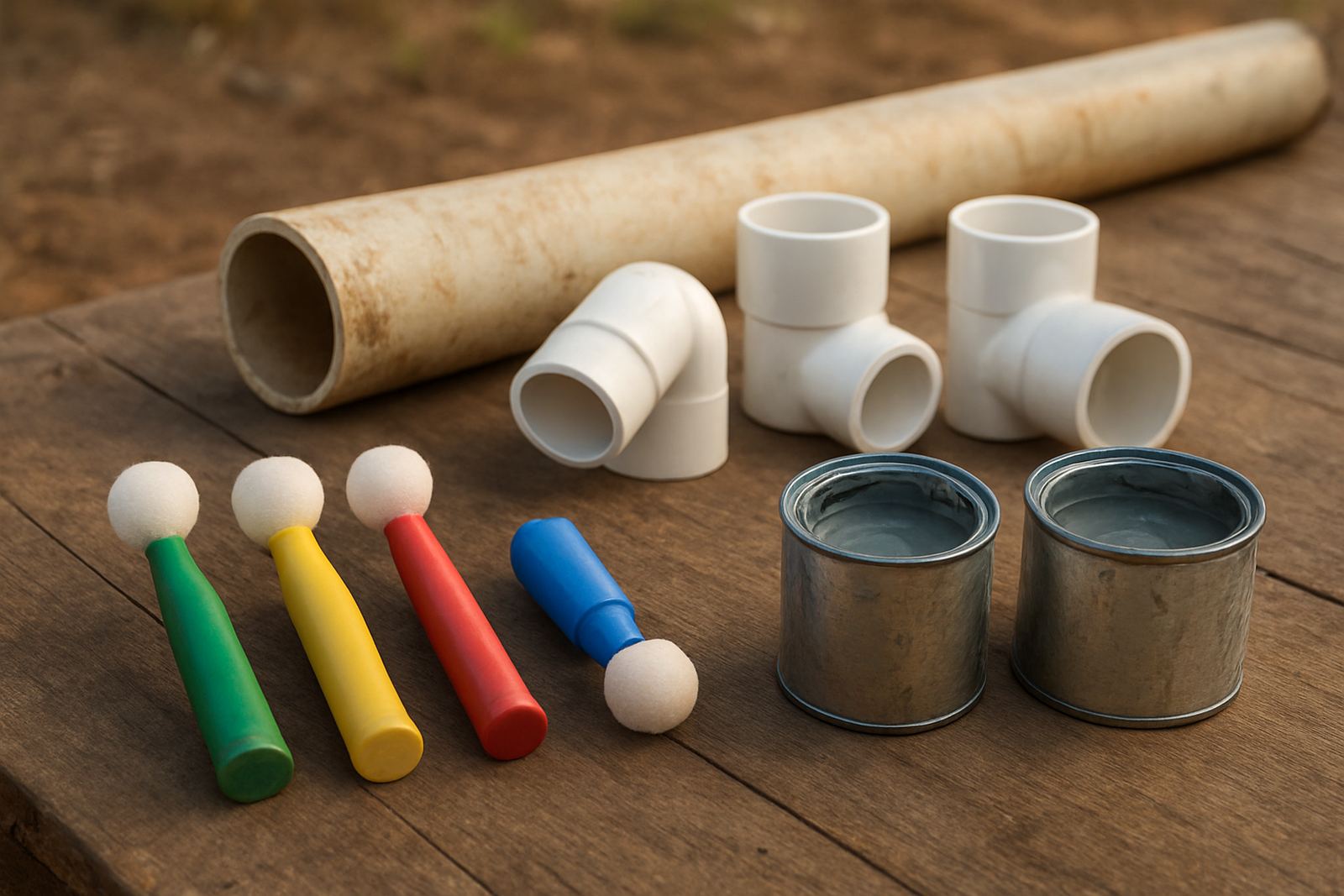
- Use solvent-weld primer and cement suitable for pressure pipe joints
- Keep the suction line straight where possible to reduce restriction
- Support longer pipe runs to avoid strain at the valve joint
- Check that the intake is kept clear of sand, silt and plant matter
- Allow enough depth so the valve stays submerged during draw-down
Care, servicing and common checks
Routine care is straightforward, but it makes a big difference. A foot valve works best when the strainer stays clean and the sealing face is not damaged by grit. If the valve starts losing prime often, the problem may be the valve itself or it may be a suction leak elsewhere in the line.
During servicing, check the valve seat, strainer and joints for wear. If you are pumping from water with sand or floating debris, inspect it more often. A quick rinse and visual check can prevent a lot of downtime, especially where the system is switched on and off several times a day.
- Look for backflow after shutdown
- Check for suction leaks at joints and unions
- Inspect the strainer for blockage
- Confirm the valve size suits the pump output
- Replace worn seals or damaged components before they fail completely
What to check before you place an order
To get the right foot valve first time, send through the pipe size, water source type and pump details. If you are unsure, we can help match the valve to the suction line and the rest of the irrigation setup. That saves repeat trips and avoids under-sizing or over-sizing the fitting.
It also helps to know whether the line is for a permanent farm install or a portable contractor system. For bigger orders, we can assist with quantity checks, stock reserving and delivery planning across Limpopo or by courier nationwide. If your site has muddy water, shallow intake conditions or a long suction run, mention that upfront so the valve choice suits the job.
- Pipe diameter and material
- Pump type and required flow
- Water source depth and condition
- Whether you need a strainer type valve
- Number of units required for the job
- Delivery area, including regional runs or courier dispatch
For contractors and farmers alike, the aim is simple: a valve that holds prime, suits the pipe and keeps the system ready for the next start. Mpho and the team can help with product selection, jointing advice and repeat orders when the same spec needs to be used across multiple sites.
Key facts
| Product type | PVC foot valve for irrigation suction lines |
|---|---|
| Connection | Solvent-weld socket ends |
| Common sizes | 40 mm, 50 mm, 63 mm, 75 mm, 90 mm |
| Use position | Fitted at the intake end of the suction line |
| Main function | Prevents backflow to help retain prime |
| Typical use | Farm pumps, nursery lines, dam and tank suction systems |