
Straight Join for Same-Size Irrigation Pipe
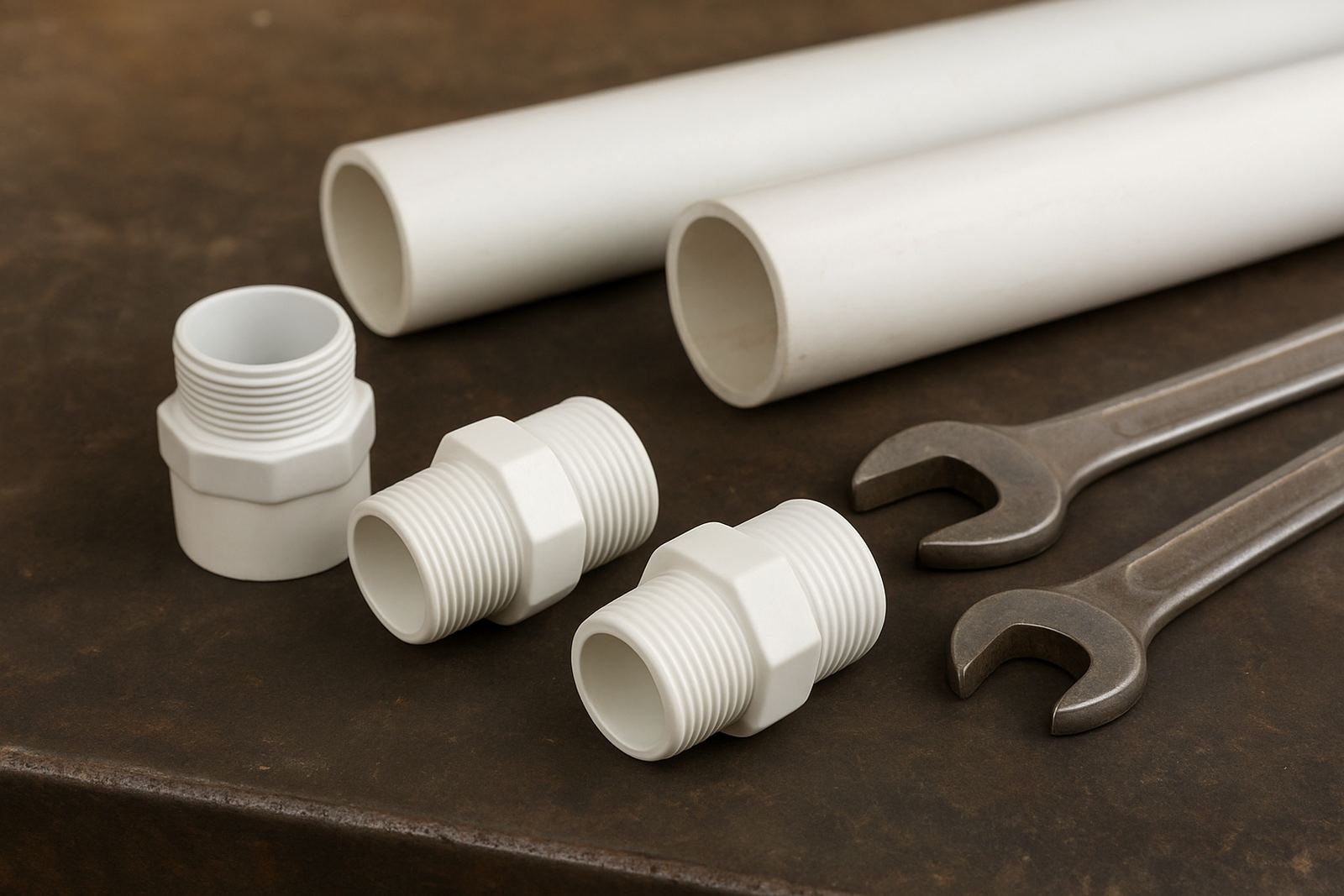
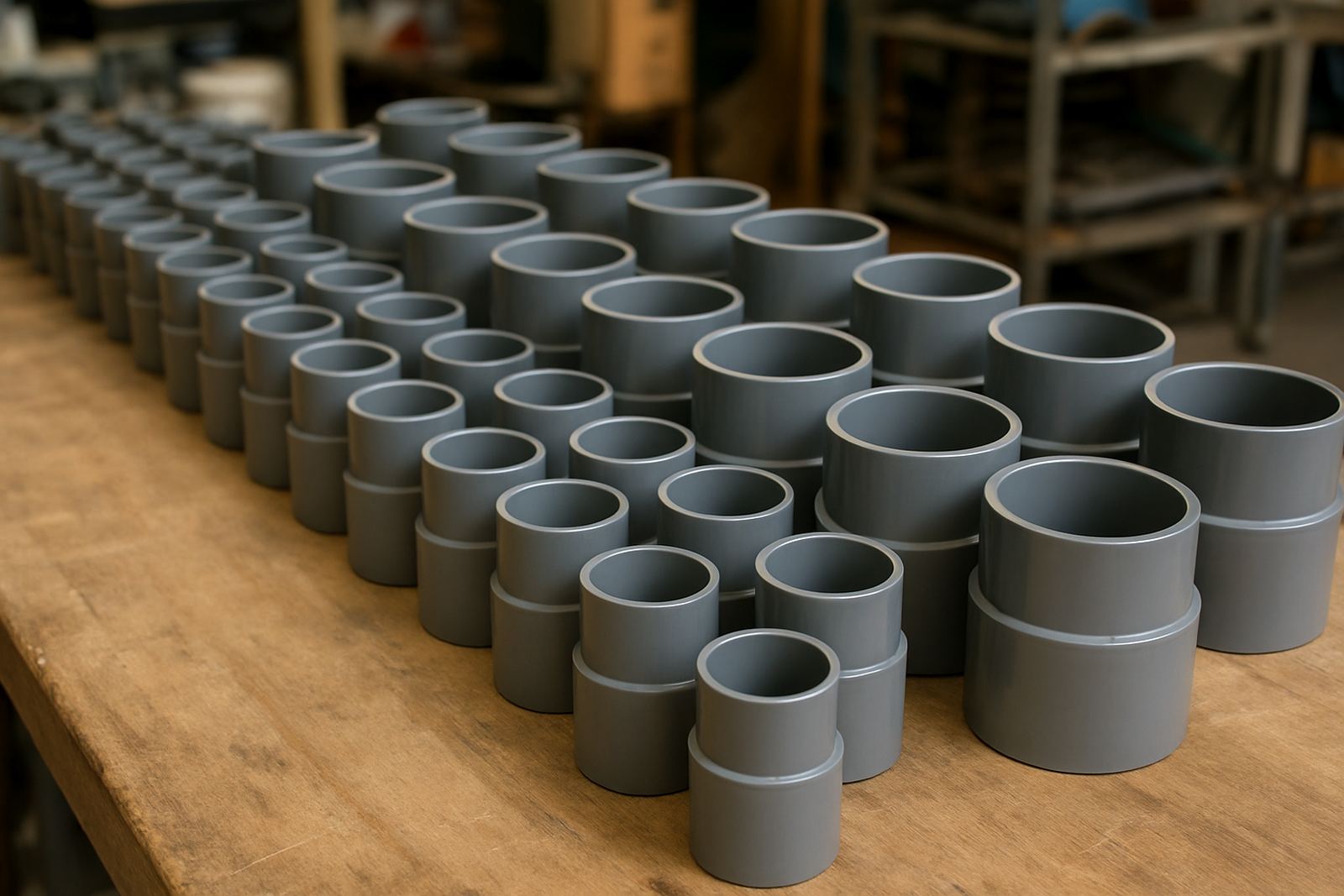
The equal coupler is a simple straight fitting used to connect two lengths of pipe of the same diameter. It is solvent-welded in place, which means the pipe and fitting are joined with compatible solvent cement and allowed to set into a permanent bond. For irrigation lines, that gives a neat connection with a smooth internal path and no moving parts to work loose.
In practical terms, this fitting is used where a line needs to be extended, repaired, or carried across a new section of a farm, nursery, sports field, or landscape layout. It is most often chosen when the installer wants a tidy line and a joint that can handle regular water flow once the cement has cured. A good install starts with the right size and clean pipe ends, because even a small mismatch can lead to leaks later on.
Available Sizes and Typical Specs
Equal couplers are supplied in common irrigation sizes to match standard PVC pipe work. The exact size you need depends on the pipe already on site, not just the flow rate or pump size. For ordered quantities, we can help check the pipe markings and make sure the fitting matches properly before the stock leaves Ladanna.
- Sizes commonly used: 20 mm, 25 mm, 32 mm, 40 mm, 50 mm and larger irrigation sizes where stocked
- Connection type: solvent-weld socket both ends
- Material: rigid PVC for irrigation pipe systems
- Use: straight joint between two equal pipe ends
- Finish: smooth bore for consistent water passage
- Colour: typically grey or white depending on supply batch
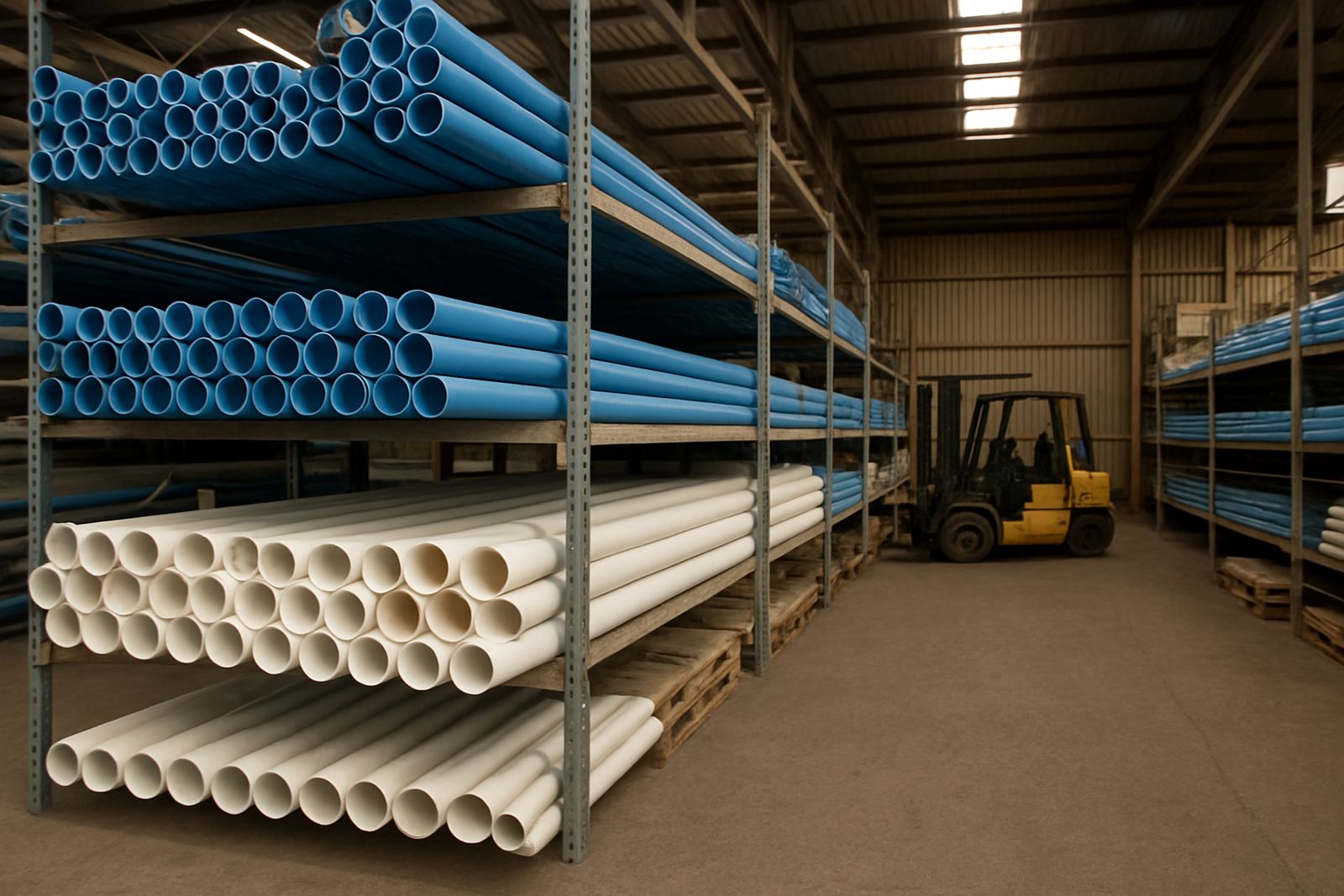
For contractors working on repeat jobs, it helps to keep a size list on hand and order by pipe diameter rather than by description alone. That avoids delays on site and reduces wastage from incorrect fittings. On rural jobs, especially where material is trucked out to Limpopo districts, the wrong size can hold up a whole crew for a day or two.
Where the Equal Coupler Suits Best
This fitting suits irrigation lines in open ground, along boundary runs, in orchards, under mulch lines, and in fixed garden systems. It is often used in places that face sun exposure, dust, rain, and daily handling by farm teams or maintenance crews. Because it is a permanent joint, it works well in buried or clipped runs where the pipe is not meant to be disconnected often.
It is commonly selected for:
- Farm irrigation extensions and line repairs
- Nursery bench watering and shade net lines
- Landscape installations around homes, estates, and public spaces
- Contractor work where neat alignment matters
- Replacement sections after damage or root movement
For coastal and high-humidity areas, the fitting itself holds up well when installed correctly, but the pipe surface still needs to be clean and dry before bonding. In dusty inland conditions, wiping the pipe ends is just as important as the glue work. If a line is laid in an area with heavy vehicle traffic or occasional ground movement, good bedding and support are also needed so the coupler is not carrying stress on its own.
How to Install It Properly
Installation is straightforward, but it needs care. Cut both pipe ends square, remove burrs, and dry-fit the fitting before applying solvent cement. If the pipe is oval, rough, or cut badly, the joint may sit under strain and that can shorten its life. Make sure the pipe is fully inserted into both sockets and held steady while the cement starts to grip.
Basic installation points:
- Use the correct solvent cement for the pipe type and size
- Clean and dry all jointing surfaces before bonding
- Mark insertion depth so both sides are seated evenly
- Keep the line aligned while the joint sets
- Allow full cure time before pressurising the line
No electricity or gas is needed for the fitting itself. The work is done with manual cutting tools and solvent-weld products only. On sites where load-shedding affects pump schedules, it is sensible to do jointing work during a planned shutdown so the line can cure properly before water pressure is restored. A rushed start-up can test a new joint before it has fully set, which is never ideal.
Care, Storage and Working Life
Equal couplers do not need servicing once installed, but the surrounding pipework does. If a line starts leaking near a join, the fault may be from the pipe end, poor preparation, or movement in the line rather than the coupler itself. It is worth checking nearby supports, clips, anchors, and trench cover before replacing a fitting straight away.
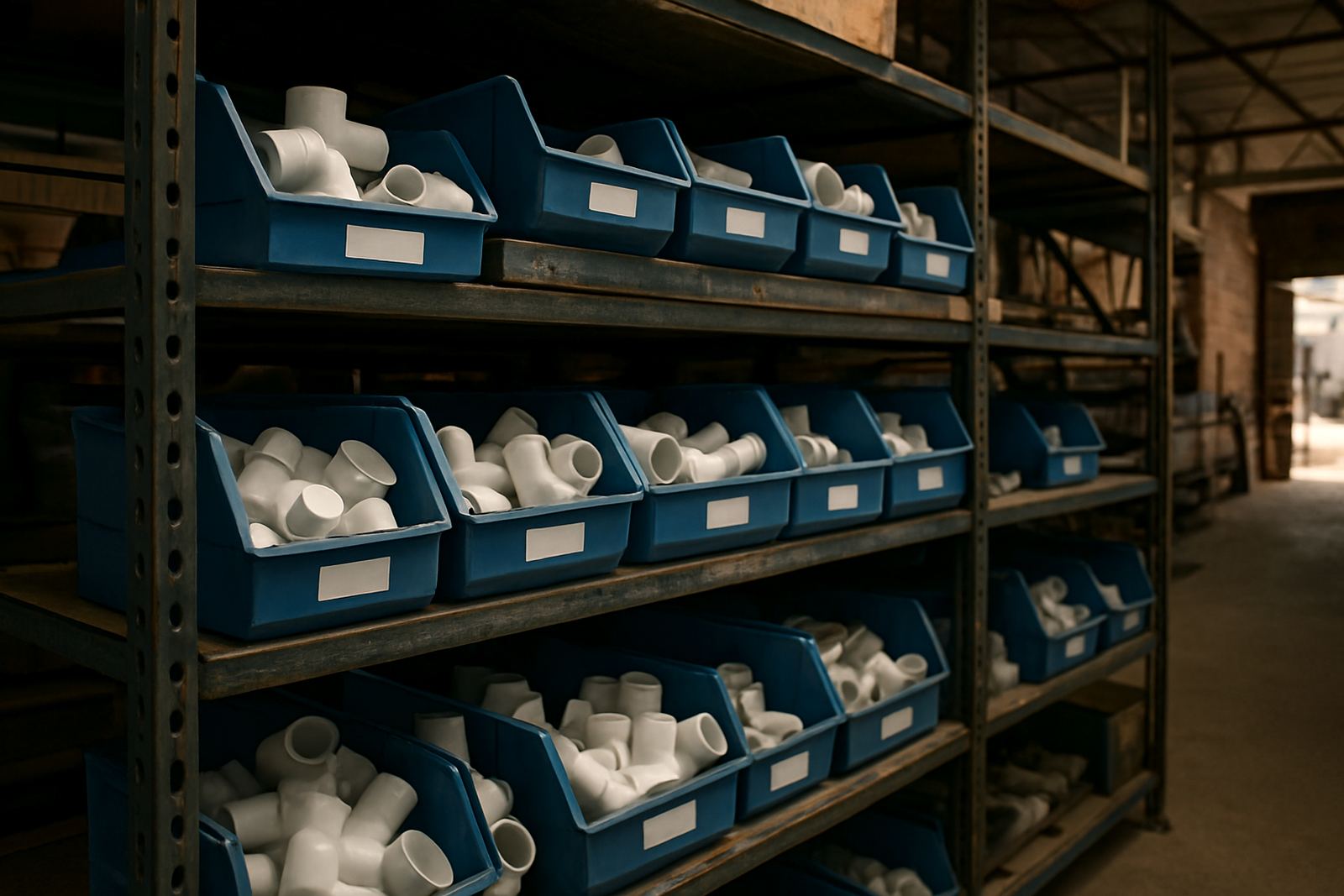
For stored stock, keep fittings out of direct sun and away from sharp dirt or chemical spillages. In warehouse or bakkie storage, avoid crushing or stacking heavy items on top of couplers because they can deform slightly if badly handled. A clean dry box in a shaded area is best.
Good care tips:
- Store sizes separately so the correct fitting is easy to pick
- Keep solvent cement containers sealed when not in use
- Check pipe ends for cracks before repair work starts
- Replace damaged fittings rather than trying to reuse them
With sensible storage and correct use, these fittings have a long working life in normal irrigation conditions. The biggest problems usually come from poor installation, not from the fitting material itself. That is why pipe prep matters so much.
What to Check Before You Order
Before placing an order, confirm the pipe diameter, the quantity of joins needed, and whether the line is new work or a repair. It also helps to know if the pipe is above ground, buried, or installed in a hot exposed area. That information lets us advise on sizing, quantity, and any extra joining materials you may need for the job.
Useful details to check:
- Exact pipe size in millimetres
- Number of straight joins required
- Whether you need contractor stock or small repair quantities
- Delivery area such as Ladanna, Polokwane, Mokopane, Tzaneen, Hoedspruit, Lephalale, Thohoyandou, or courier nationwide
- Whether you need jointing advice or quantity checks before dispatch
For larger farm orders, it helps to plan for a few extra couplers in case of cut errors on site. A small reserve can save a second delivery and keep the crew moving. If you are matching stock for a repeat order, send the existing pipe size and the required count through the enquiry form and we can help from there, no fuss.
Key facts
| Product type | Straight solvent-weld equal coupler |
|---|---|
| Use | Joins two same-size irrigation pipe lengths |
| Common sizes | 20 mm, 25 mm, 32 mm, 40 mm, 50 mm and larger where stocked |
| Material | Rigid PVC |
| Installation | Manual cut, clean, solvent cement, cure before pressure |
| Power or gas needs | None required |