What a reducing bush does in an irrigation line
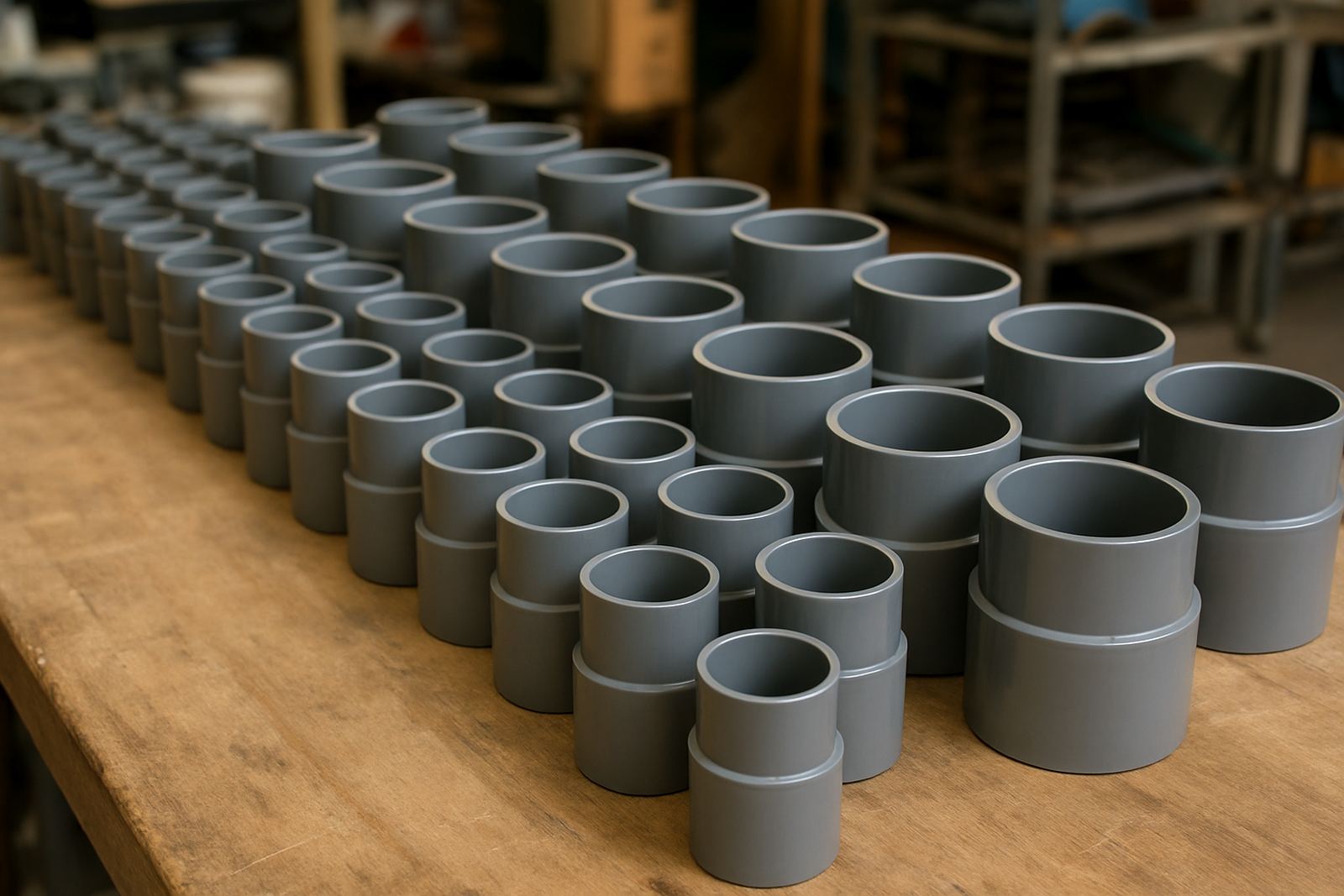
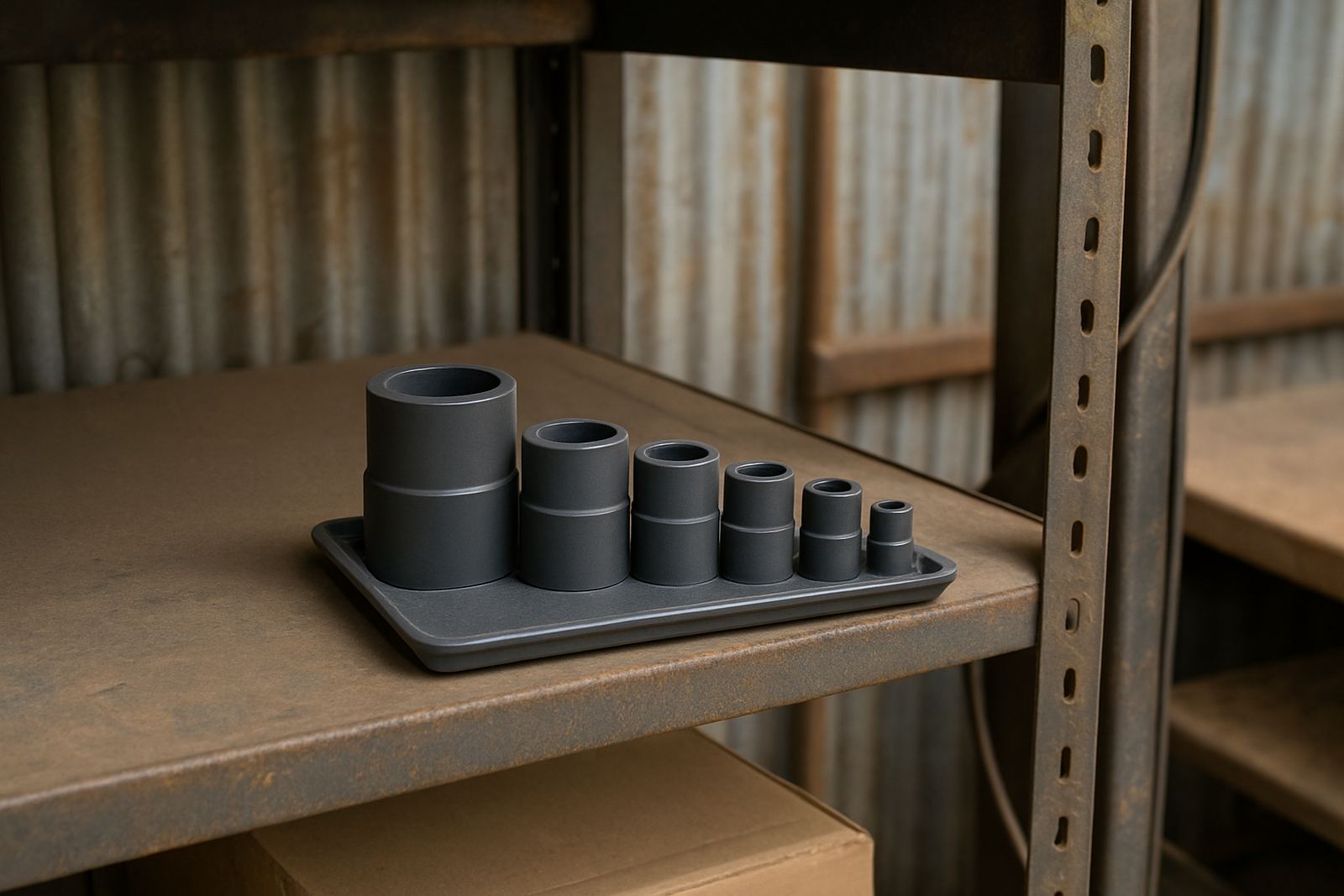
A reducing bush is a simple socket fitting that steps a larger opening down to a smaller pipe size. It is used when the main fitting, valve body or tee has a bigger socket than the pipe that needs to connect into it. In irrigation work that change in size is common, especially when a main line feeds smaller sub-mains, lateral runs or branch lines to different zones.
Because the bush sits inside the larger socket, it gives a neat transition without forcing the installer to improvise with loose packing or unsafe jointing. On farm systems and landscaped sites, that matters when pressure has to stay even and the line must hold through heat, dust and rough handling. A good reducing bush keeps the joint square, supports the pipe properly and helps reduce stress on the fitting.
Sizes and options used on local irrigation jobs
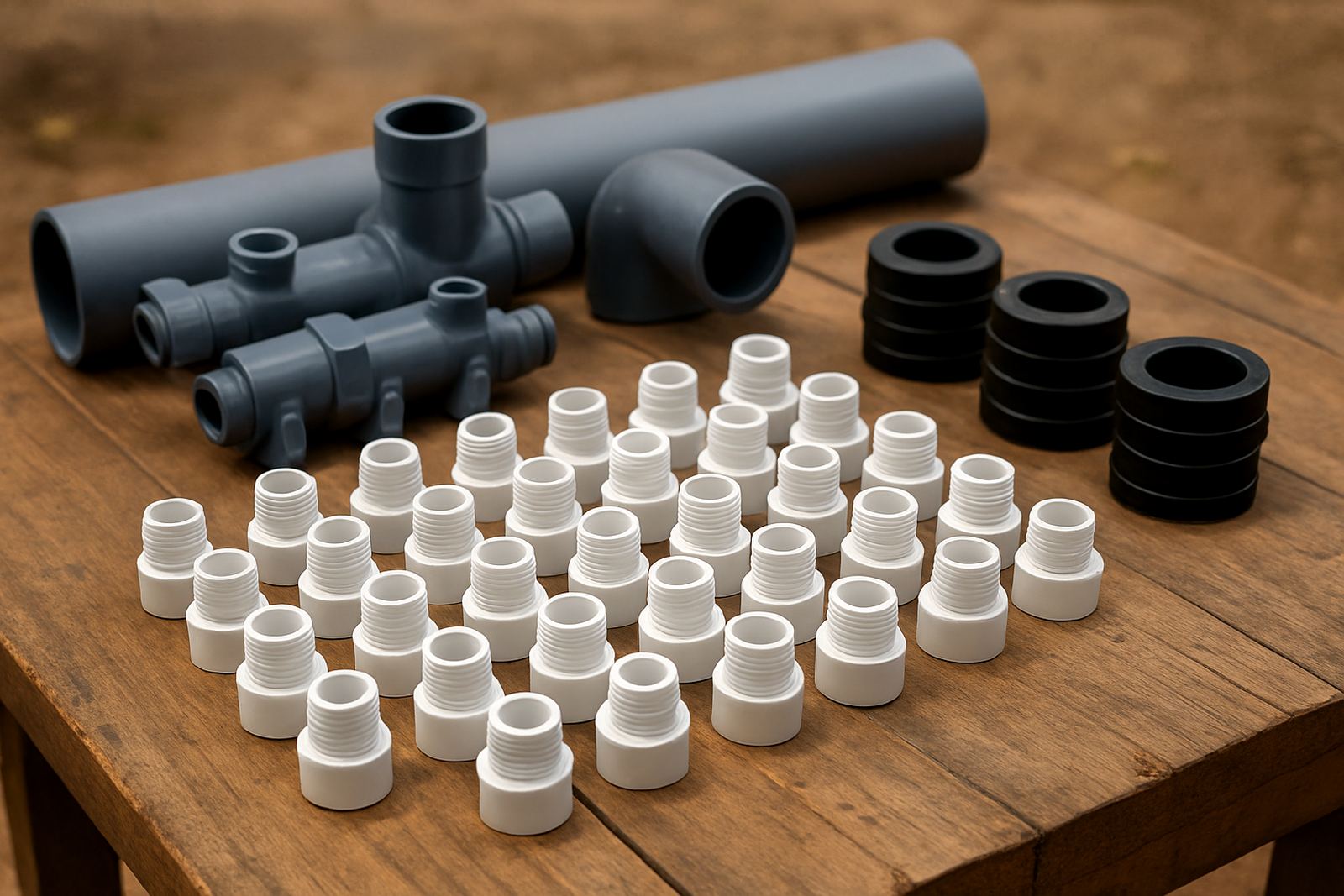
Reducing bushes are made in a range of diameter combinations so you can match the supply pipe to the fitting on hand. Common sizes used in South African irrigation work include 40 x 32 mm, 50 x 40 mm, 63 x 50 mm, 75 x 63 mm and 90 x 75 mm, with other combinations available depending on the line layout. The right choice depends on the socket size in the fitting and the outside diameter of the pipe being reduced into it.
When ordering, check whether the bush is intended for solvent-weld PVC pressure pipe systems and whether it will be used on a buried line, above-ground header or equipment room run. In Limpopo, many systems are exposed to high sun and hot afternoons, so the fit has to stay true and the material should not brittle out quickly. For contractor work, it also helps to keep a few common sizes on hand so stock is available when a site change comes up.
- Diameter reduction for irrigation main lines and branch lines
- Solvent-weld connection for PVC pressure systems
- Suitable for farm, garden and contractor installations
- Useful where one fitting size needs to take a smaller pipe
Where reducing bushes suit best
These fittings are useful anywhere an irrigation system changes from a larger header to a smaller distribution line. That includes orchards, vegetable blocks, smallholdings, sports fields, nursery lines and landscaped estates. They are also handy in pump rooms and control points where the pipework has to step down before entering a valve cluster or filter assembly.
In Polokwane and surrounding areas, a lot of systems have long pipe runs and mixed terrain, so careful sizing matters. A reducing bush can help keep a line economical without oversizing every section. It is also a practical choice where municipal water pressure varies, or where a borehole system needs separate zones for different crops. For coastal or humid conditions too, the correct joint makes a difference because constant moisture can work on poor connections over time.
- Farm irrigation headers and sub-main reductions
- Landscaping and turf irrigation zones
- Pump houses, filter banks and valve manifolds
- Nursery benches, tunnel lines and drip feed transitions
Installation basics and power or gas needs
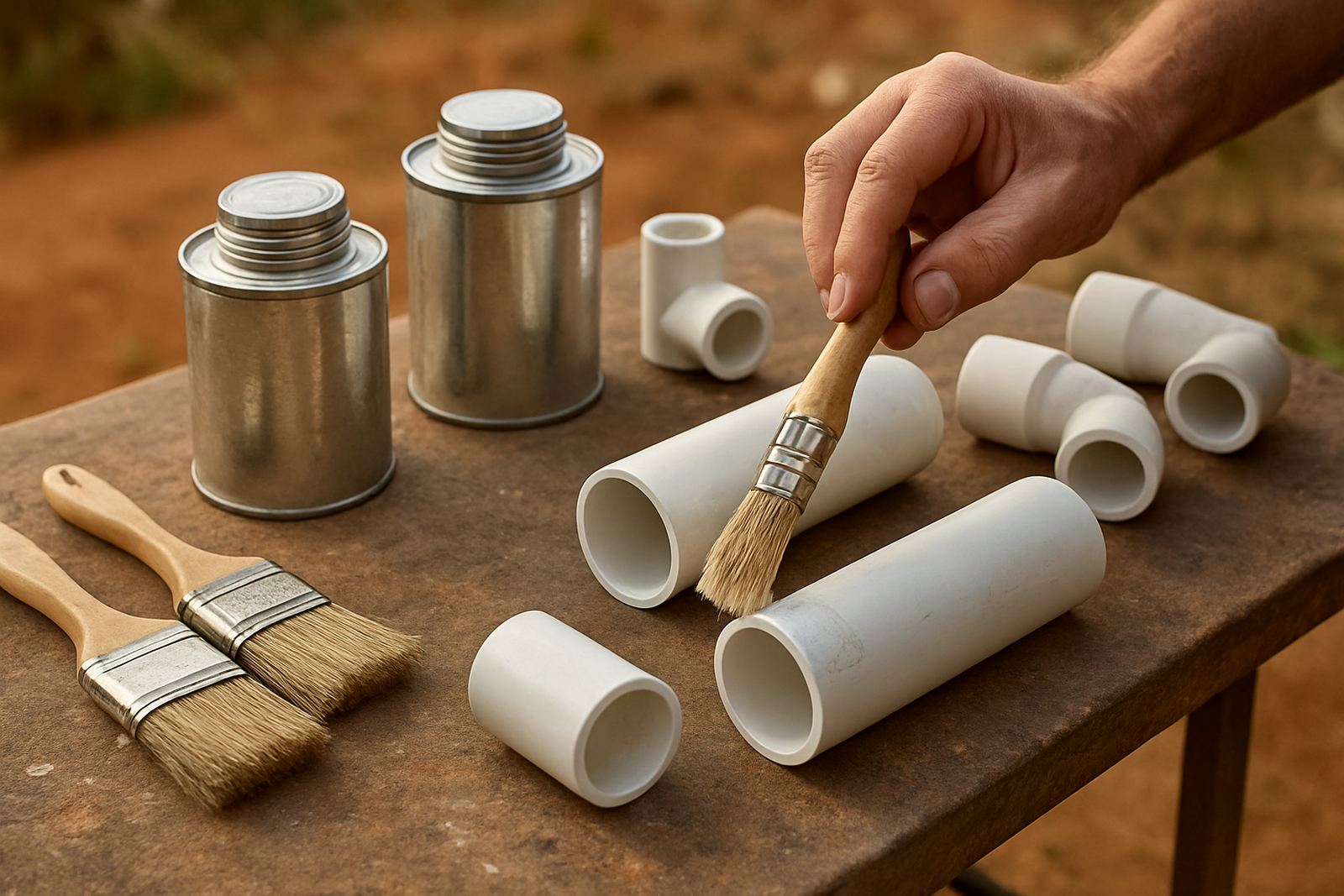
Reducing bushes are installed with solvent cement and proper primer where required by the pipe system being used. The pipe and socket must be clean, dry and cut square before fitting. Mark the insertion depth, apply the jointing product evenly, then push the bush fully home with a slight twist. Hold the joint for a few seconds so it does not push back. Once cured, the connection is ready for normal irrigation service.
No power or gas is needed for the fitting itself. The job is done by hand, so it suits field work where load shedding or a remote site makes powered tools inconvenient. A pipe cutter, cleaning cloth, measuring tape and the correct solvent-weld products are usually all that is required. If the line will be buried, allow the joint to cure fully before backfilling and avoid pressure testing too soon.
- Cut pipe square and dry fit first
- Use the correct solvent-weld adhesive for the pipe type
- Allow full cure time before running pressure
- Support the pipe so the joint is not strained
Care, servicing and long-term use
Reducing bushes do not need complicated servicing, but the surrounding line should be checked from time to time. Look for leaks, movement at the joint, discolouration from sun exposure and signs that the pipe has been pulled sideways by poor support. Where a line is exposed above ground, clip it properly so vibration from pumps or wind does not work the joint loose.
On irrigation systems that run daily, it is wise to inspect the fitting during regular maintenance rounds, especially after a pump restart or after repairs nearby. If a section has been drained and reassembled, make sure the bush has not been twisted out of line. Small cracks around the socket mouth usually point to strain, incorrect cementing or a pipe size mismatch. Catching that early saves water and avoids a bigger shutdown later.
What to check before you place an order
Before ordering, confirm the larger socket size, the smaller pipe size and whether the fitting is for pressure pipe or another type of PVC system. Also check the exact quantity needed, because many irrigation jobs use several reductions in one line. If you are working from a site plan, it helps to note each zone and the pipe diameter at each changeover point so there is no delay once the stock arrives.
For customers across Limpopo and nationwide, it also helps to confirm delivery point, urgency and whether the order is for a new install or a repair. If you are matching an existing system, measure the outside diameter of the pipe rather than guessing from memory. A small mistake in size can hold up the whole job, so a quick check upfront is worth it.
- Check both diameters before ordering
- Confirm the pipe type and pressure rating
- Count how many reductions are needed on site
- Confirm delivery destination and timing
Key facts
| Product type | PVC solvent-weld reducing bush |
|---|---|
| Use | Steps a larger fitting socket down to a smaller pipe size |
| Common sizes | 40 x 32 mm, 50 x 40 mm, 63 x 50 mm, 75 x 63 mm, 90 x 75 mm |
| Installation | Solvent-weld jointing, hand fit only |
| Best suited to | Irrigation main lines, sub-mains, valve areas and farm layouts |
| Supply area | Ladanna, Polokwane, Limpopo deliveries and nationwide courier dispatch |