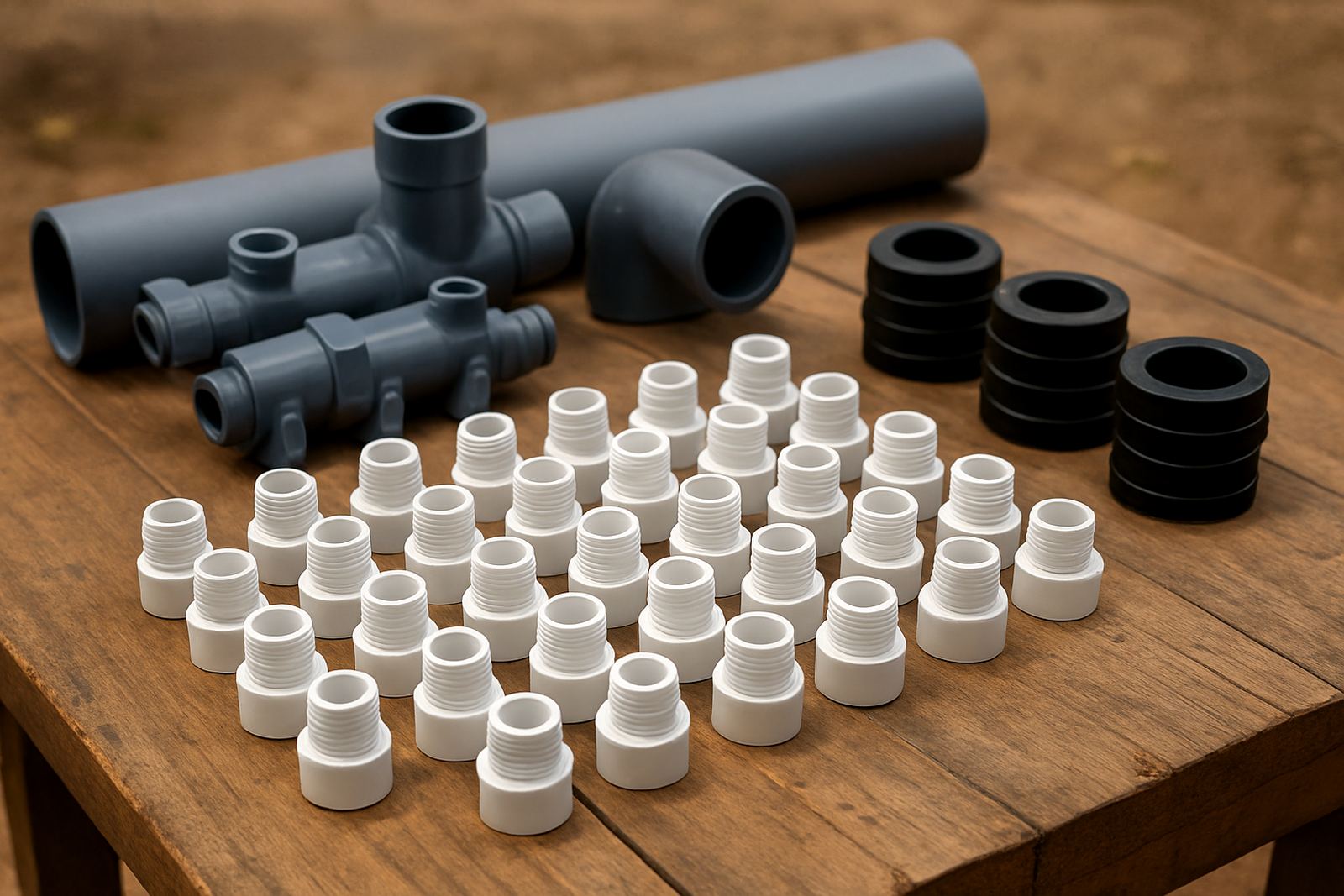
What a take off adaptor does in an irrigation line
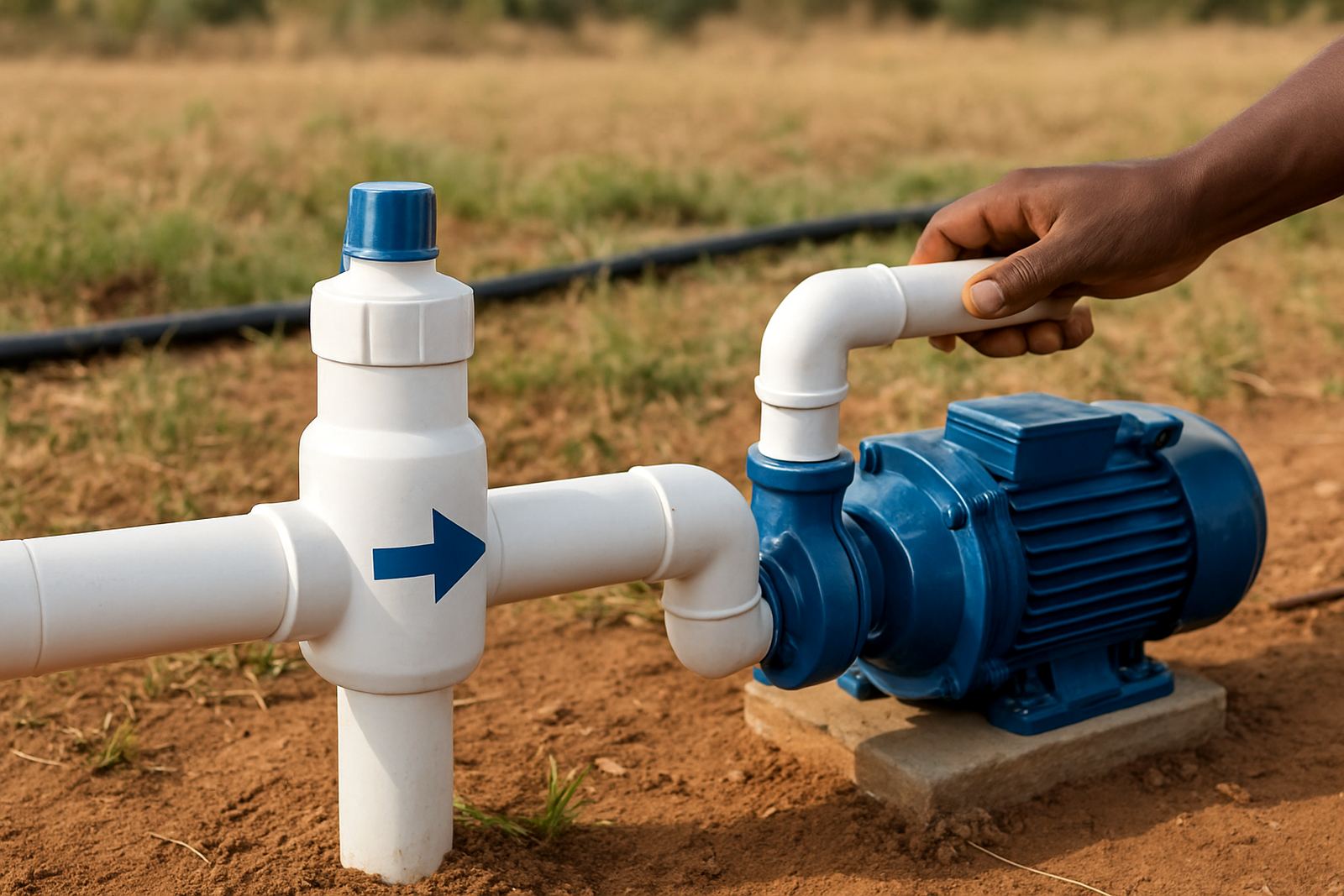
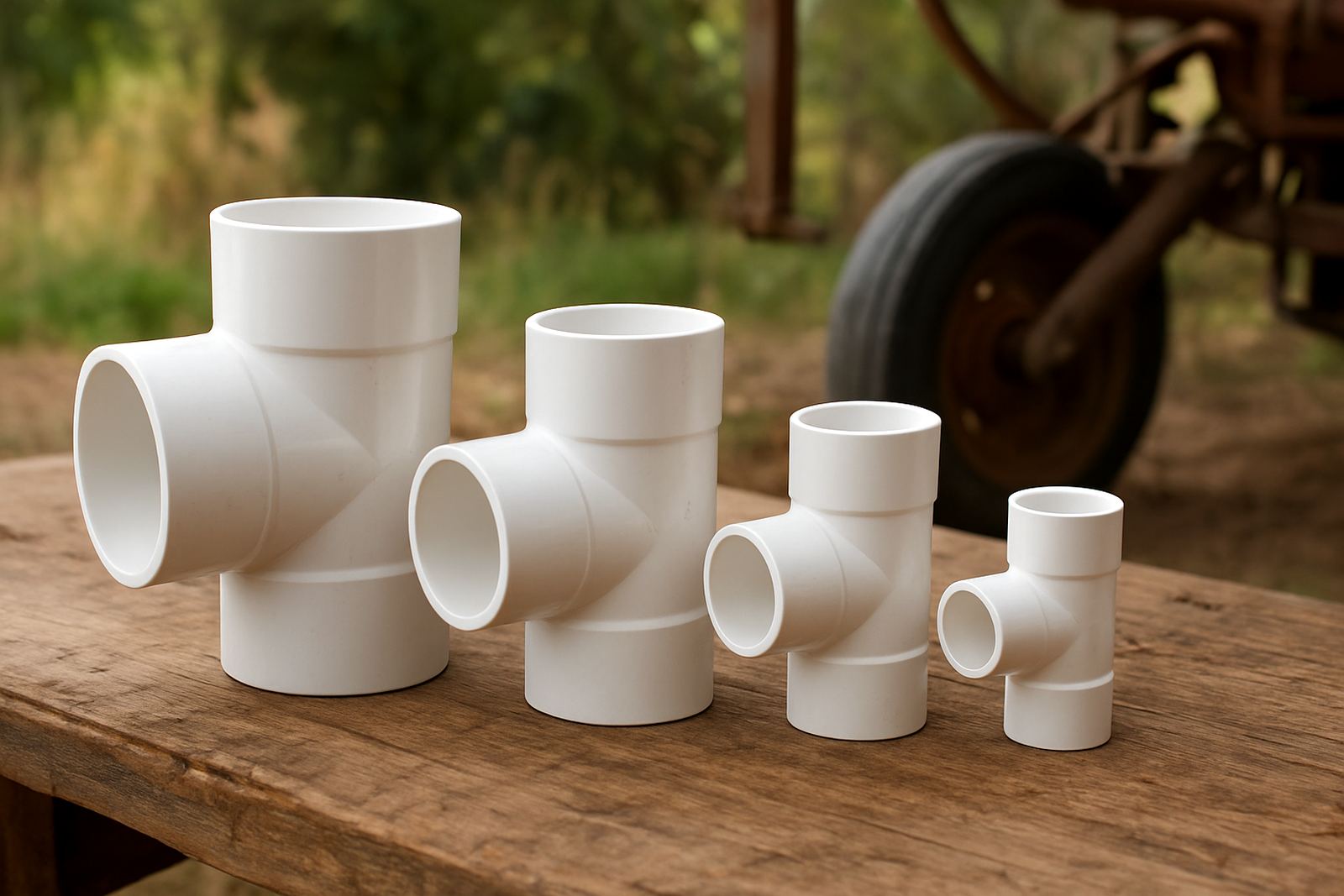
A take off adaptor is a solvent weld fitting used to create a branch connection from a larger pipe, manifold or header line to a smaller line. In simple terms, it gives you a controlled point to take water off the main run and send it where it is needed without making a rough or weak connection.
On irrigation systems, that matters because pressure, spacing and flow all have to work together. A poor connection can lead to leaks, uneven watering or a line that keeps coming loose after a few hot days. A proper take off adaptor gives a cleaner transition and helps the installer keep the layout tidy and serviceable.
These fittings are especially useful where the system has multiple zones, sub mains or branch lines feeding drip, spray or micro irrigation. They are made for outdoor use, so they suit South African conditions where UV exposure, dust, heat and regular handling are part of the job.
Sizes, options and pipe matching
Take off adaptors are supplied in sizes that match common irrigation pipe diameters and branch take offs. The correct size depends on the pipe you are connecting from and the pipe or fitting size you are connecting to. Matching these sizes properly is important because solvent weld joints depend on a close fit and clean pipe preparation.
Common options may include stepped adaptors, reducing patterns and straight connections for different layouts. Some jobs need a compact fitting for tight manifolds while other systems need a longer body to make assembly easier. When you are ordering, it helps to check both the main line size and the branch line size so you do not end up with the wrong reduction.
- Suitable for solvent weld irrigation pipework
- Available in multiple diameter combinations
- Useful for reducing from a larger manifold to a smaller line
- Chosen according to flow needs and line layout
If you are working on a large farm order, it is worth confirming the full fitting list against the drawing or the existing line before collection or dispatch. That saves time on site and keeps the installer moving. A missed size can delay the whole run, especially if you are working in heat or under load shedding time pressure.
Where a take off adaptor suits best
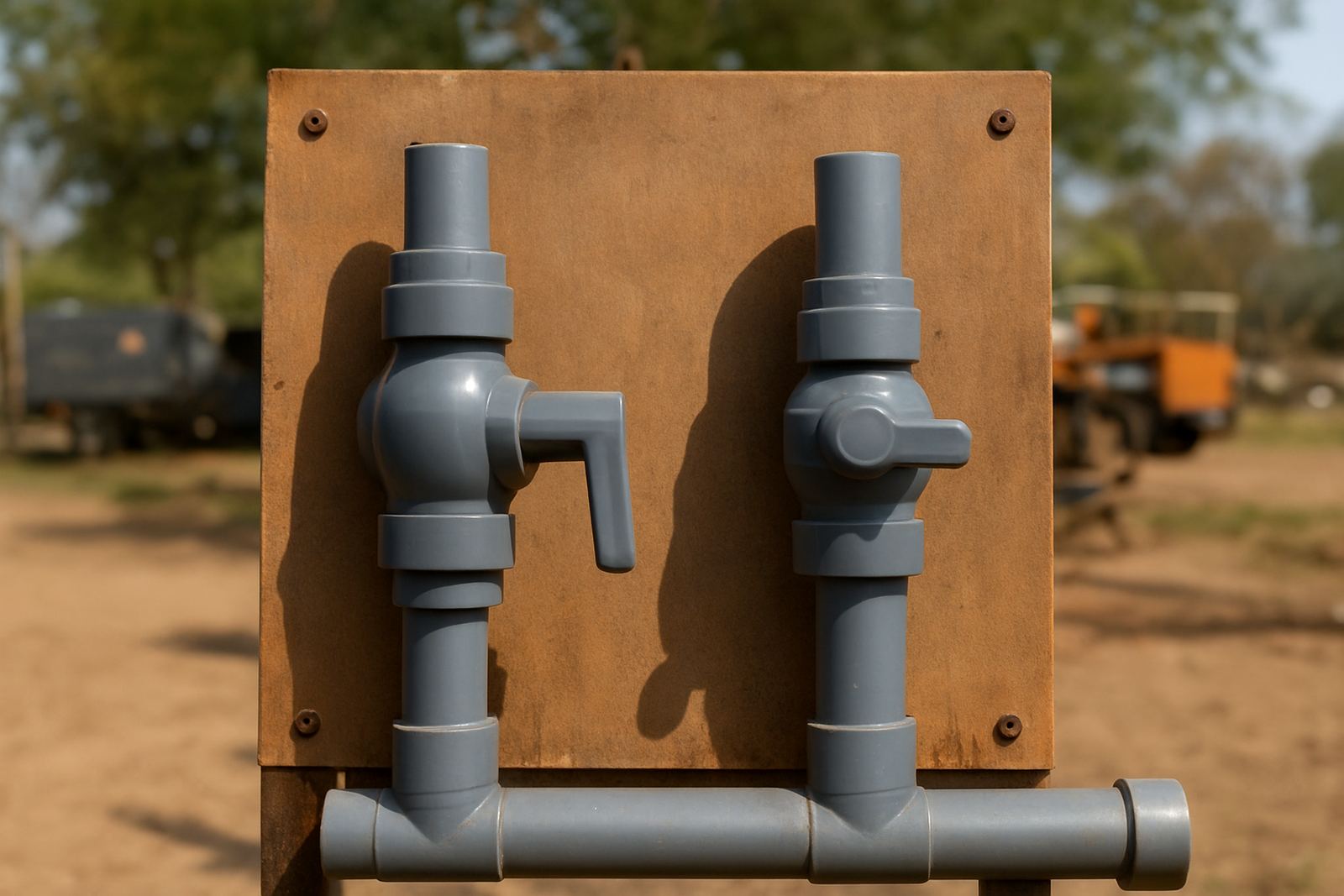
These fittings suit irrigation systems where a main line feeds several smaller lines across a field, orchard, nursery, lawn area or landscaped property. They are also practical on reticulation setups at farms, estates, and contractor projects where water needs to be divided neatly into different zones.
In Limpopo, take off adaptors are often used on irrigation runs that have to handle long distances, strong sun and regular maintenance. In dusty inland areas, a well made solvent weld branch point is easier to keep tidy than a loose or improvised connection. On coastal jobs further afield, the material choice and correct jointing matter because humidity and weather exposure can test fittings that were not installed properly.
- Farm irrigation manifolds
- Landscape and garden zone branching
- Nursery bench and line feeding
- Orchard and row crop irrigation
- Contractor installations needing quick, repeatable branching
Where municipal water pressure varies or tanks feed the system from a pump set, the branch fitting should be selected with the full system in mind. A take off adaptor is not just a connector, it is part of the pressure path and should be sized to suit the actual water demand on that branch. If the branch is too small the line can be starved, while an oversized, badly matched fitting can make the layout clumsy.
Installation notes for clean solvent weld joints
Take off adaptors do not need power or gas for installation. They are fitted by pipe preparation and solvent welding, so the main requirements are correct cutting, cleaning, priming where required, and proper adhesive application. A dry, clean pipe end gives the best result.
Before joining, check that the pipe is cut square and free from burrs. Dry fit the connection first so you can see the alignment and depth of insertion. Apply the correct solvent weld product for the pipe material and work quickly but neatly. Once the joint is made, hold it steady for a short period so the fitting does not push back. On warm days the setting time can be faster, so do not rush the rest of the line before the joint has seated properly.
- Cut pipe square and remove burrs
- Clean and dry all joint surfaces
- Check insertion depth before cementing
- Keep the line aligned while the joint sets
- Allow proper curing before pressure testing
For pressure testing, fill the line gradually and look for seepage around the branch point. It is better to find a weak joint before the trench is backfilled. If the system is part of a contractor handover, a proper test also makes later fault finding much easier. In busy farm installs, that can save a lot of time over the season.
Care, servicing and long term use
A take off adaptor needs very little maintenance once it is correctly fitted, but the surrounding system should still be checked from time to time. Look for hairline leaks, UV wear on exposed pipe, movement from soil settling and any signs that the branch line is pulling on the fitting. Physical stress is often what shortens the life of an otherwise sound joint.
If the area is exposed to direct sunlight for long periods, try to keep pipework supported and shaded where possible. On agricultural jobs, livestock movement, machinery or repeated handling can also damage branch points, so a simple support clip or better line routing can help. In sandy or dusty areas, make sure the fitting stays free from abrasion during backfilling and maintenance.
When a branch line is no longer needed, the fitting should be dealt with in line with the rest of the system design rather than left open or badly capped. A clean repair is always better than a temporary fix that puts pressure on the manifold.
What to check before you place an order
Before ordering a take off adaptor, check the pipe sizes on both sides, the type of irrigation line you are building, and whether the fitting needs to suit a manifold, header or branch line. It also helps to confirm the working pressure of the system and whether you need a straight, reducing or specialised pattern.
For customers in Polokwane, Ladanna and across Limpopo, the most common order delays come from missing size details or not matching the fitting to the existing pipe. If you are replacing a damaged fitting, bring the old one or measure the pipe accurately. If you are planning a new install, the line drawing and quantity list should be checked together before stock is reserved or couriered.
- Pipe diameter on the main side
- Pipe diameter on the branch side
- System pressure and pump output
- Whether the line is above ground or buried
- Total quantity needed, plus spares for site repairs
For repeat orders and contractor work, it also helps to confirm delivery area and timing. Stock can be arranged for Ladanna Base, Polokwane Supply Area, Mokopane, Tzaneen, Hoedspruit, Lephalale, Thohoyandou and nationwide courier delivery. That makes it easier to keep projects moving when the irrigation season gets busy.
Key facts
| Product type | Solvent weld irrigation branch fitting |
|---|---|
| Function | Creates a take off point from a main line or manifold to a smaller branch line |
| Material compatibility | PVC irrigation pipe systems |
| Installation method | Solvent weld, no power or gas needed |
| Typical use | Farm, landscape, nursery and contractor irrigation |
| Key checks | Pipe sizes, pressure rating, branch layout and quantity required |