
What a Repair Coupling Does On Site
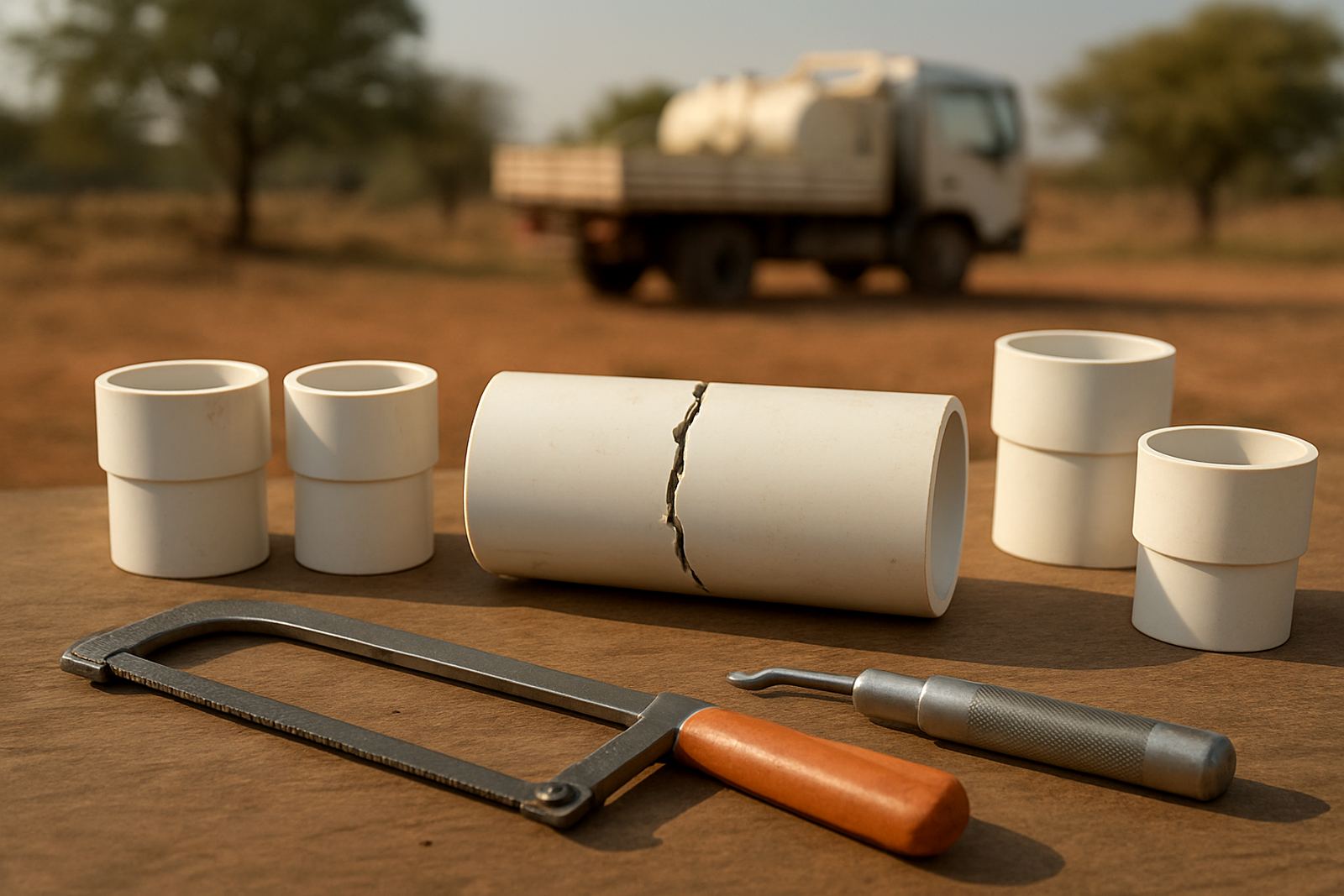
A repair coupling is used when a section of pipe has been cracked, split, cut badly, or damaged by digging, sun ageing, pressure movement or vehicle traffic. Instead of replacing a long length of line, the damaged portion is removed and the coupling is fitted over the pipe ends to make a new solvent-weld joint. That keeps the repair local and helps reduce material waste.
In irrigation work, this matters because many lines run through exposed ground, along fence lines, between blocks, or under driveways where access is limited. A repair coupling gives you a simple way to get the line working again without changing the full layout. It is a practical choice for maintenance teams, growers and contractors who need to keep water moving with minimal interruption.
These couplings are made for PVC solvent-weld systems and are intended for outdoor irrigation use. They are suitable for clean water lines, agricultural layouts and landscape systems where the pipe size and pressure rating are matched correctly. If the damaged section is near a valve, elbow, tee or transition fitting, the repair should be checked carefully so the line is not left under strain.
Sizes, Pressure Ratings And Variants To Ask For
Repair couplings are typically supplied in common irrigation sizes so the pipe can be matched accurately. The most widely used options cover 20 mm, 25 mm, 32 mm, 40 mm, 50 mm, 63 mm, 75 mm and 90 mm, with larger sizes available in some ranges for mainlines and farm reticulation. The size must match the outside diameter of the pipe, not the bore or the valve outlet.
Depending on the line design, you may need a standard repair coupling or a slightly longer sleeve style if the cut section is awkward or the pipe ends need a bit more engagement length. For higher pressure systems, check that the fitting pressure class suits the line and operating conditions. In hot inland areas and in strong sun, correct pressure matching helps reduce long term failure at the repair point.
- Common sizes: 20 mm to 90 mm for most irrigation work
- Pressure class must match the pipe and system pressure
- Length and socket depth should suit the amount of pipe exposed
- Use only with compatible PVC solvent-weld pipe and fittings
If you are unsure, it is better to confirm the pipe size and operating pressure before ordering. A fitting that is even slightly off size can waste time on site and lead to a poor joint.
Best Uses In Farms, Estates And Landscaped Sites
Repair couplings are well suited to irrigation runs where access is tight and the existing pipe route needs to stay mostly unchanged. On farms, they are often used on orchard lines, block feeds, pump house outlets, and transfer lines that have suffered accidental damage during cultivation or trenching. In landscaping, they work well for repairing underground or surface pipe sections along gardens, sports fields and municipal green spaces.
They are also useful for contractors handling call-outs after storm damage, root movement or pipe failure in older systems. In coastal and high humidity areas, a clean replacement joint can be better than trying to nurse a damaged section for too long, especially where corrosion affects nearby metal parts or fittings. A proper solvent-weld repair gives the line a fresh joint rather than a patchy fix.
- Farm irrigation lines and orchard distribution pipe
- Landscape and estate watering systems
- Municipal and contractor maintenance repairs
- Underground or surface runs with limited access
Where the line carries fertiliser or treated water, always check compatibility of the full system before fitting. A repair coupling is for the pipe join itself, but the surrounding layout must still be sound.
Fitting Method And What Power Or Gas Is Needed
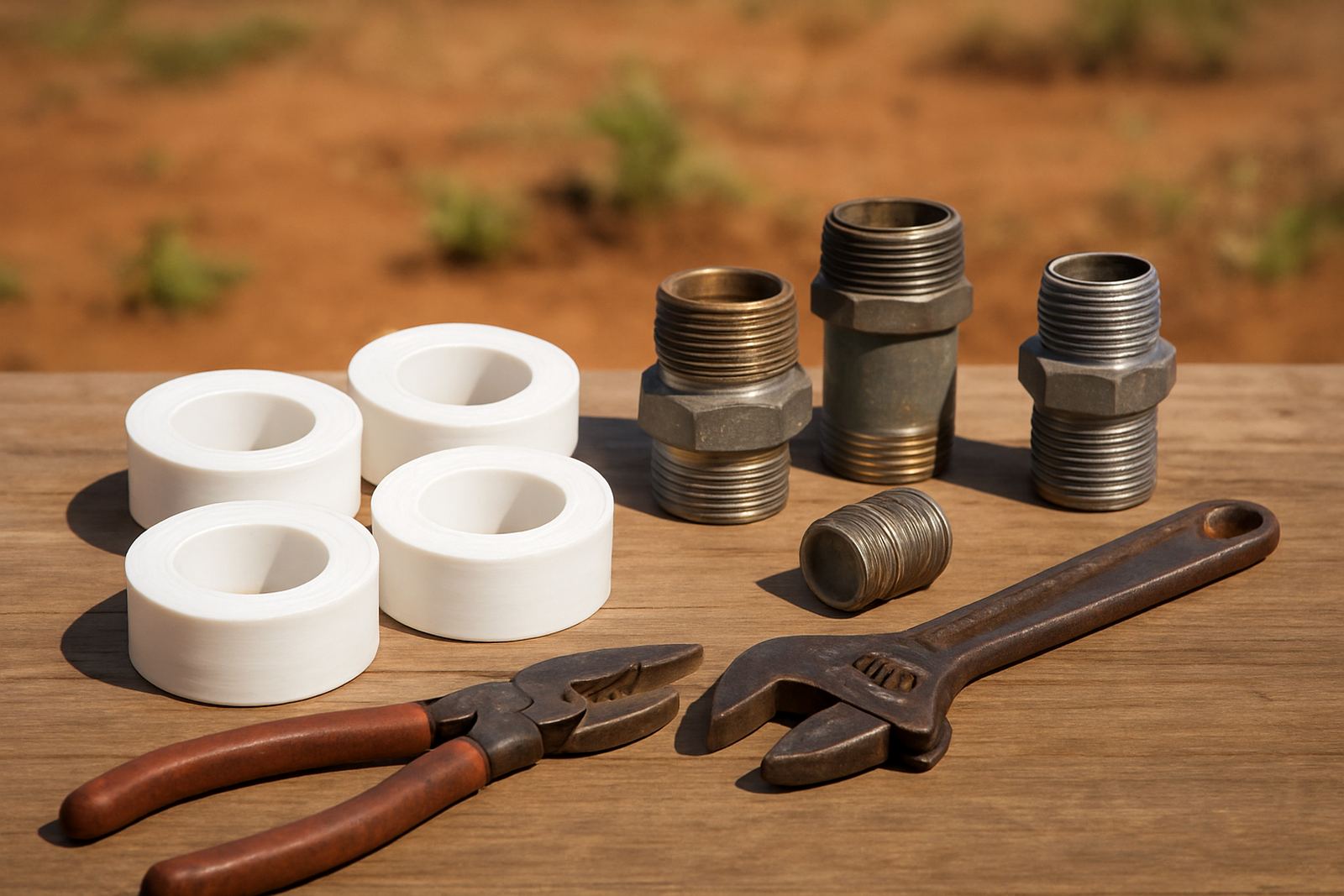
Repair couplings do not need electricity, gas or specialist powered equipment. The job is done with basic hand tools, pipe cutters or a fine saw, a deburring tool or knife, a clean cloth, primer where specified, and solvent cement suitable for PVC pressure pipe. That makes them handy for field work, even in load-shedding conditions or on remote sites where power is not available.
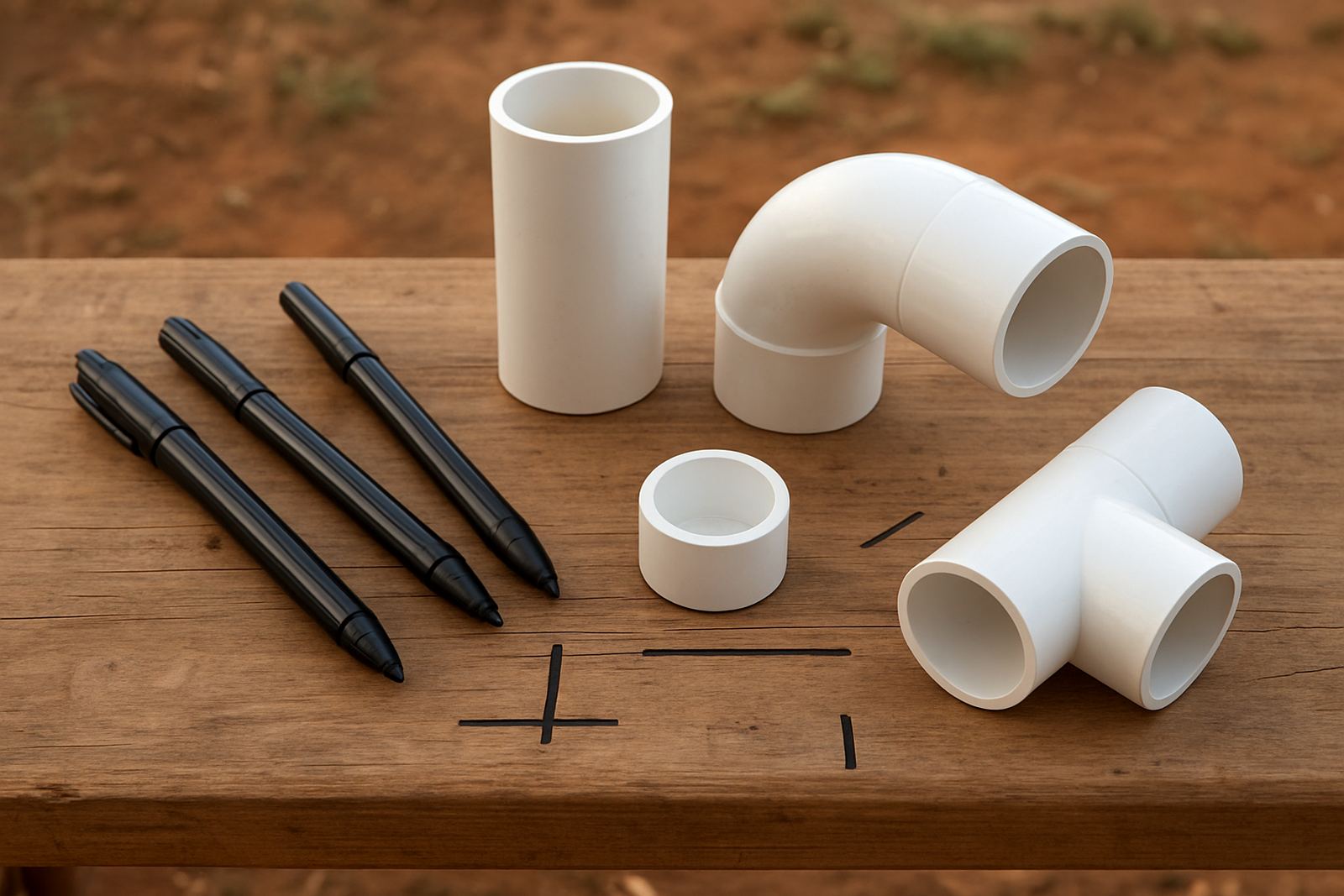
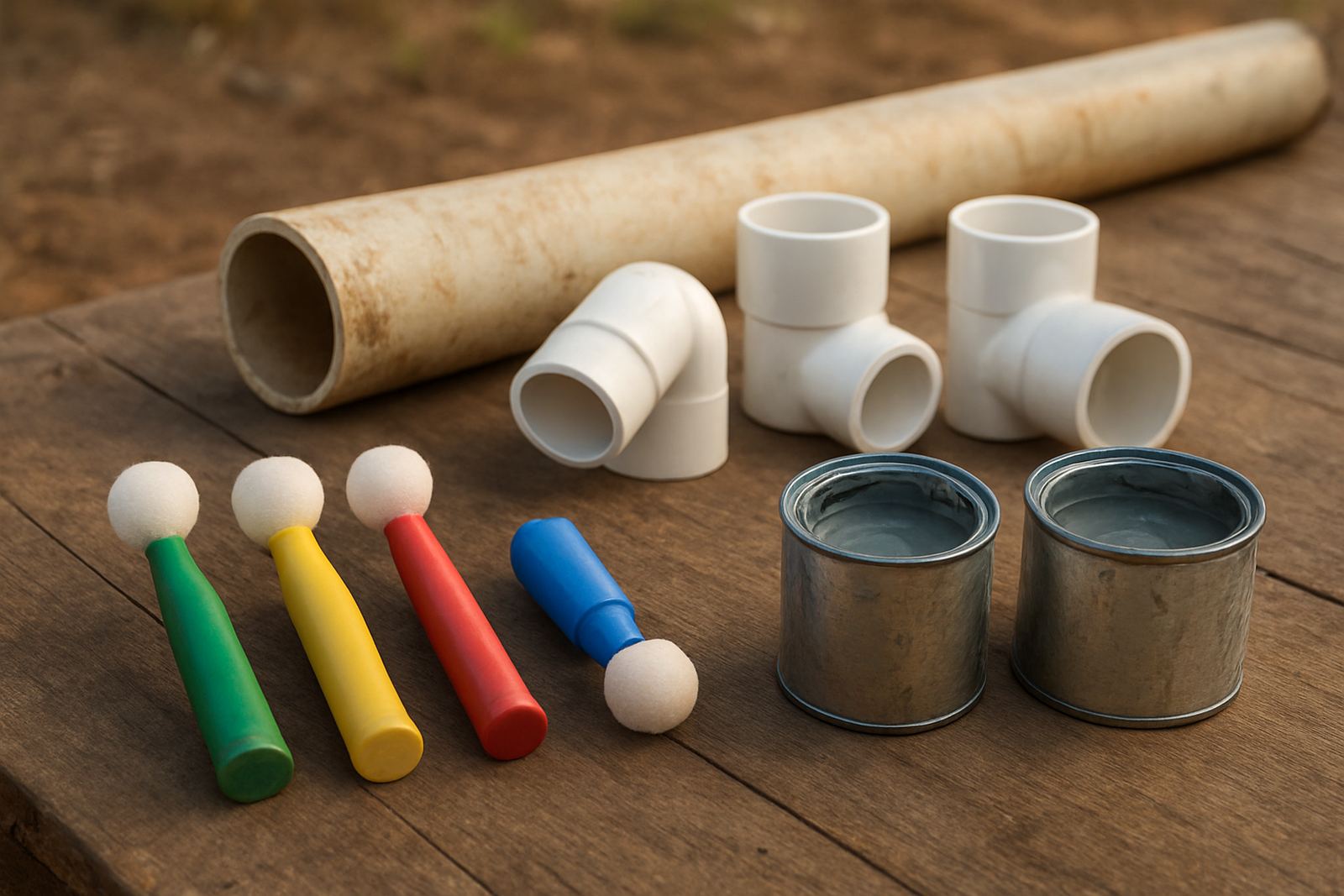
The usual fitting method is straightforward. Cut out the damaged pipe section cleanly, make sure the pipe ends are square, dry fit the coupling and check that there is enough insertion depth on both sides. Apply the jointing product as required by the pipe system, push the fitting fully home, hold it steady and allow the joint to cure before pressurising the line. If the pipe is under tension or misaligned, fix that first, because the coupling should not be forced to bend the line into place.
A proper repair also depends on pipe condition. If the pipe is brittle, oval, or badly sun damaged beyond the cut point, the repair may need a longer replacement section rather than only a small coupling. It is better to remove enough of the damaged area than to leave weak material close to the joint.
Care, Servicing And Long Term Reliability
Once fitted, a repair coupling needs very little servicing, but the surrounding line should be checked during normal irrigation maintenance. Look for soil settlement, movement at the joint, visible stress marks, and signs of seepage after pressure testing. In systems that run daily, a small leak can quickly wash out soil and undermine the line if it is left unattended.
For outdoor installations, protect the repaired section from unnecessary strain. Avoid hanging heavy pipe loads on the joint, and support nearby runs properly where the pipe is exposed above ground. In strong sun, some systems benefit from shade, burial, or protection from direct UV where practical, since prolonged exposure can shorten the life of nearby pipe and fittings.
- Inspect after the first pressurisation and again after a few operating cycles
- Check for movement, seepage and poor alignment
- Keep the area free from digging damage and vehicle traffic
- Replace surrounding weak pipe if the repair point starts to show stress
Routine care is simple but important. A sound repair coupling should blend into the line and stay out of the way, not demand attention every week.
What To Confirm Before You Order
Before ordering a repair coupling, confirm the exact pipe diameter, the pipe class or pressure rating, and whether the line is PVC solvent-weld throughout. Measure the outside diameter directly if possible, especially on older systems where labels are missing or pipe sizes have been mixed over time. It also helps to know how much straight pipe is available on both sides of the damaged area, because a coupling needs enough insertion length to seal properly.
Also check the job location and the site conditions. For farm repairs in Polokwane, Mokopane, Tzaneen, Hoedspruit, Lephalale or Thohoyandou areas, the line may be exposed to heat, dust, rocky ground or heavy movement from machinery. Those conditions influence whether a standard coupling is enough or whether a longer repair piece would make more sense. For contractor and repeat-order work, quantity checks are useful so you do not run short halfway through the job.
If the system uses valves, elbows, tees or transitions close to the break, confirm that there is room to work the pipe ends into the coupling without forcing the layout. A repair fitting should make the job easier, not create a new bend or stress point. If you are planning a large farm order or several repair points on the same line, it is worth listing all sizes and quantities before dispatch so the right stock goes out first time.
Ordering Help For Repairs Across Limpopo And Nationwide
PVC Welders supplies repair couplings for irrigation work from Ladanna, Polokwane, with stock trucked across Limpopo and couriered nationwide. That helps farmers, landscapers and contractors get the right size without waiting around for a small but important fitting. We can assist with product selection, system matching, stock reserving, regional delivery, courier dispatch and repeat order support.
If you are not sure which size to use, our team can help you check the pipe measurement, the pressure class and the jointing method before you place the order. That saves time on site and helps avoid wasted trips. For larger jobs, quantity checks and farm order planning are useful, especially when repairs need to be completed across several blocks or when crews are working under time pressure.
Because repair work often happens when the line is already under strain, it pays to order the correct fitting first time. A well matched coupling keeps the repair neat, practical and ready for service without unnecessary changes to the system.
Key facts
| Product type | PVC solvent-weld repair coupling for irrigation pipe |
|---|---|
| Typical sizes | 20 mm, 25 mm, 32 mm, 40 mm, 50 mm, 63 mm, 75 mm, 90 mm |
| Use case | Restoring damaged pipe sections with minimal line changes |
| Installation method | Cut, clean, solvent-weld and allow cure time before pressure |
| Power or gas needed | None, hand tools only |
| Supply area | Ladanna, Polokwane, Limpopo and nationwide courier dispatch |