
How a female adaptor works in an irrigation line
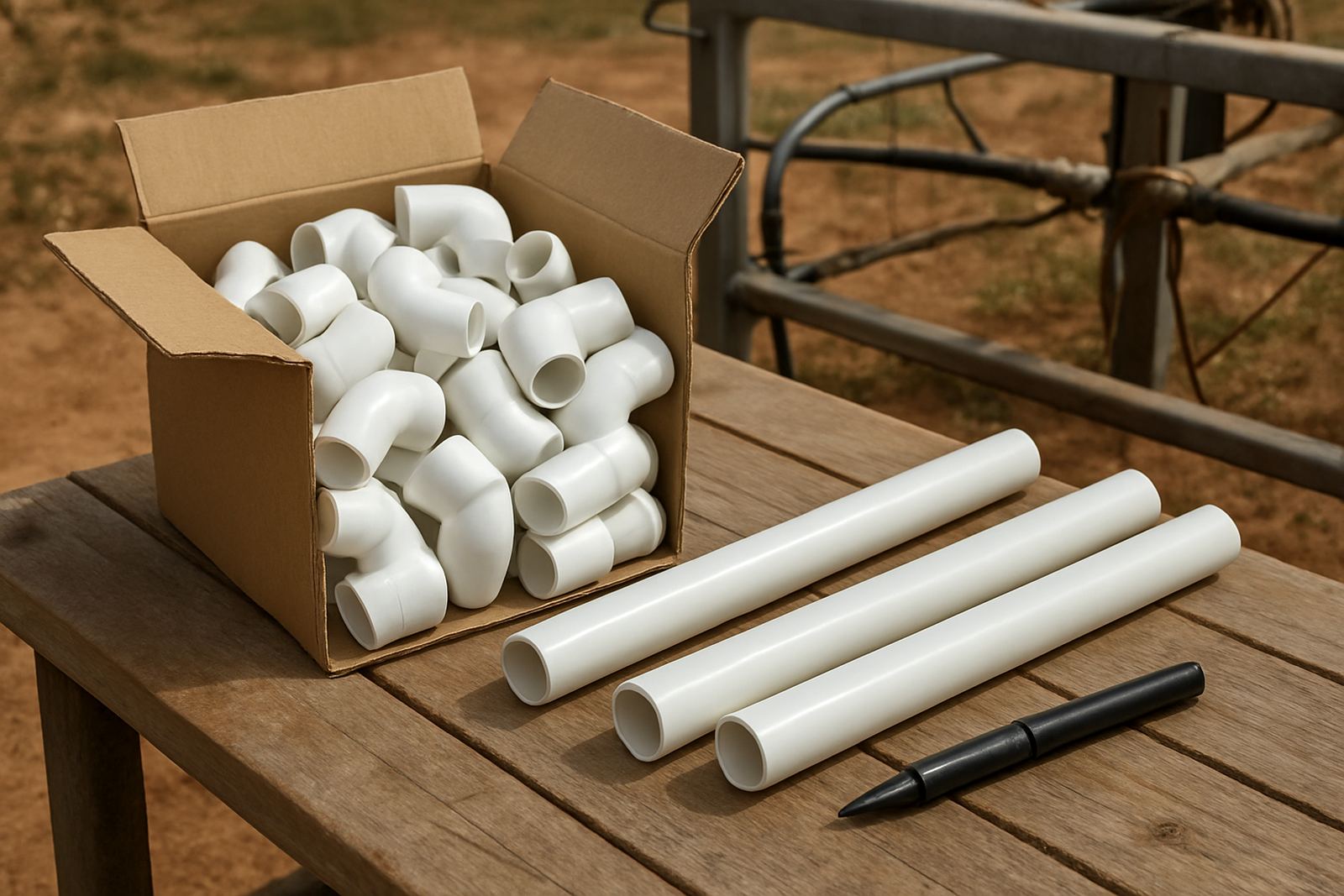
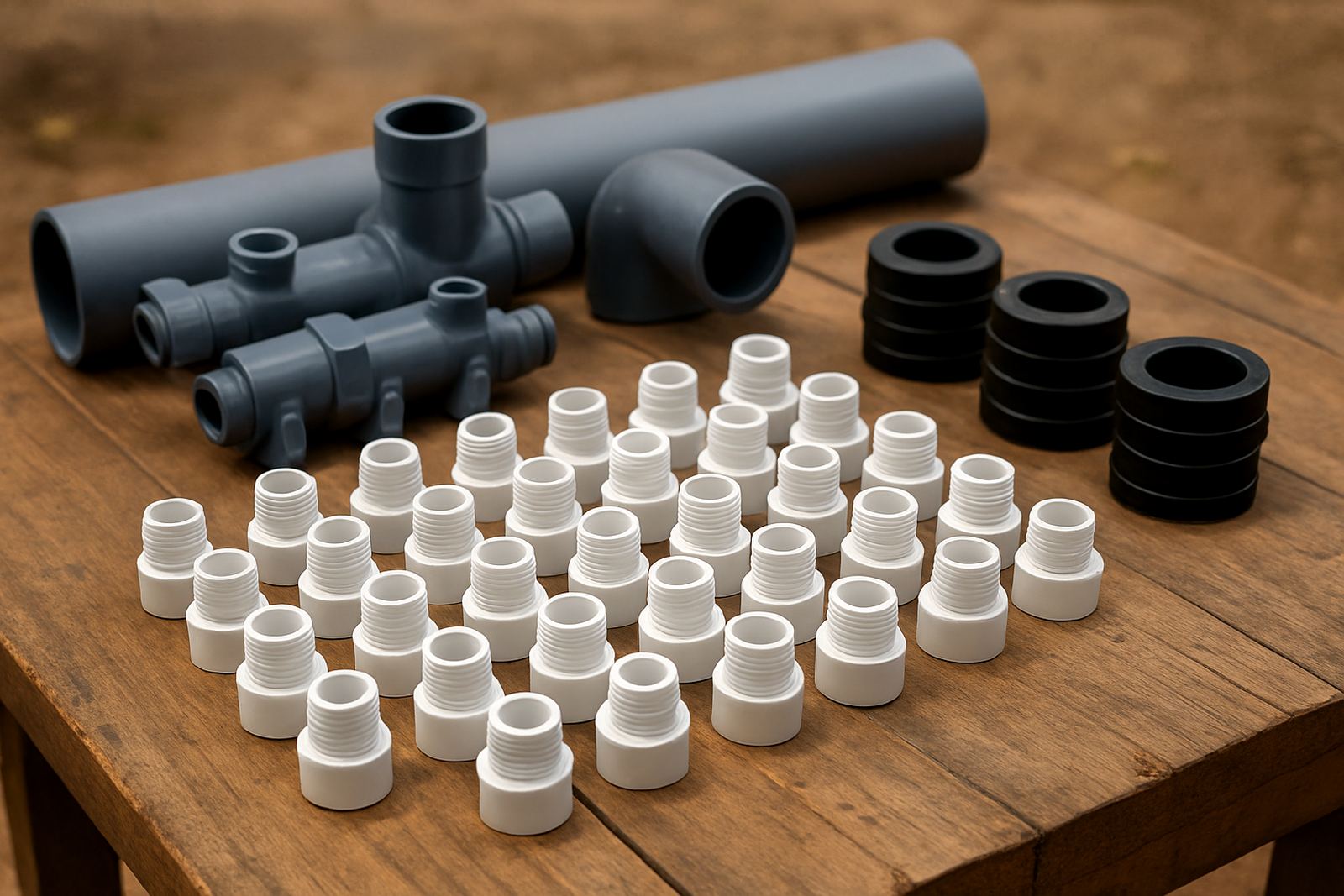
A female adaptor is a transition fitting with a solvent-weld socket on one side and a threaded female end on the other. The pipe side is glued into place with PVC solvent cement, while the threaded side accepts a matching male threaded component. This makes it easy to move from plain pipe into a threaded connection without changing the rest of the line.
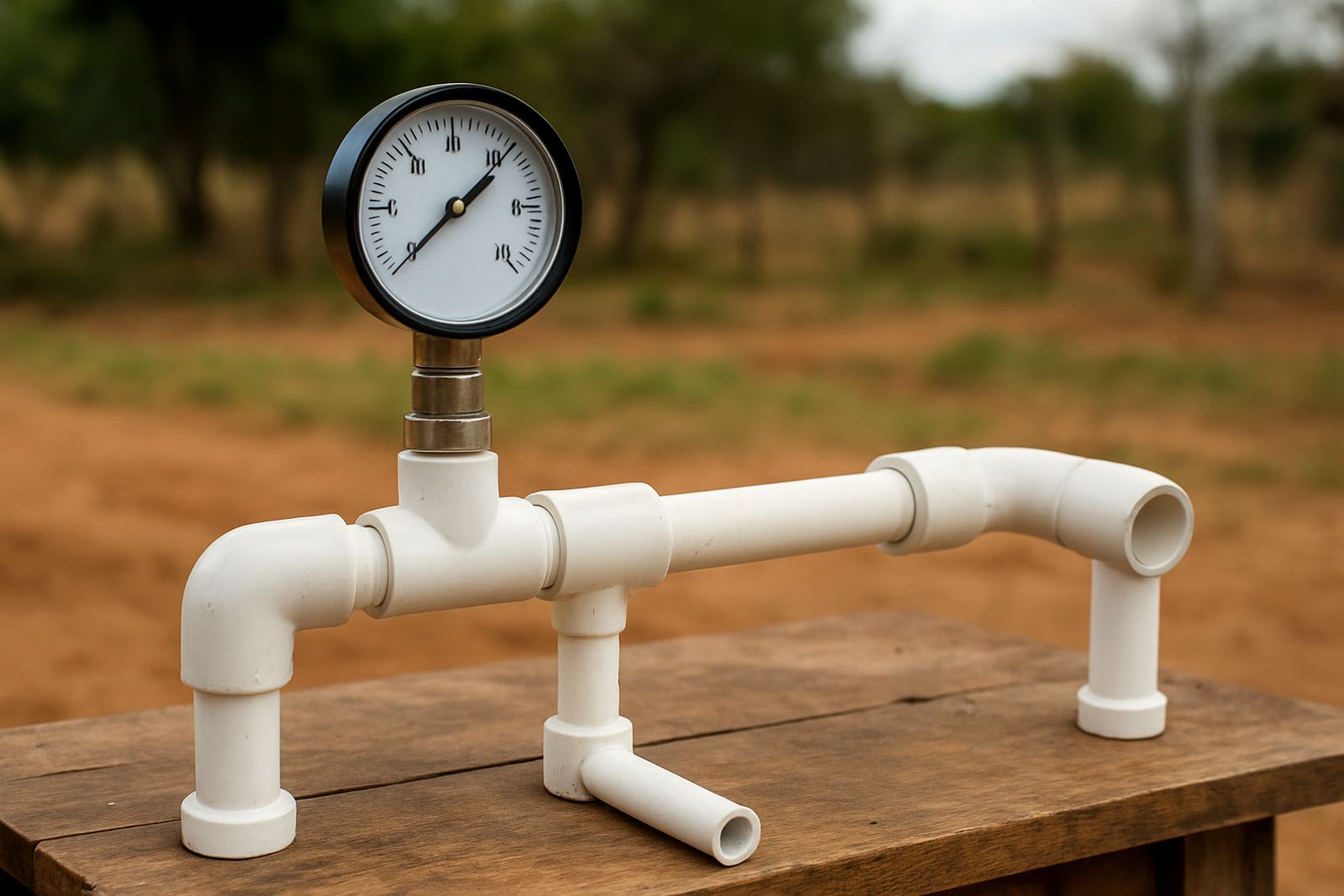
In irrigation work, that change is common. You may need to connect a mainline to a valve, add a pressure gauge, fit a tap connection, or link into a filter housing. A female adaptor gives you a secure point for that changeover and keeps the system tidy. When correctly installed, the joint is reslient against everyday vibration, sun exposure and regular water pressure changes.
Because this fitting is designed for outdoor water systems, it suits places where the line may face dust, heat, wet soil and long operating hours. It is especially useful on farms and landscaping projects where neat assembly and easy maintenance matter.
Sizes, thread options and material details
Female adaptors are supplied in a range of common irrigation sizes so you can match the pipe size and the threaded connection without forcing a fit. The solvent-weld side is chosen to suit the pipe diameter, while the female thread is selected to match the component being attached.
Typical options used in irrigation include smaller lines for garden runs and larger sizes for farm mains, submains and pump-related connections. Threaded ends may be straight and intended for standard matching male fittings. Before ordering, check whether your system uses the same nominal size on both sides or whether you need a reducing arrangement elsewhere in the line.
- Solvent-weld socket for PVC pipe connection
- Female threaded outlet for mating with a male thread
- Suitable for irrigation pipework, manifold take-offs and accessory connections
- Available in commonly used metric pipe sizes for South African irrigation systems
- Made for outdoor water use and regular field conditions
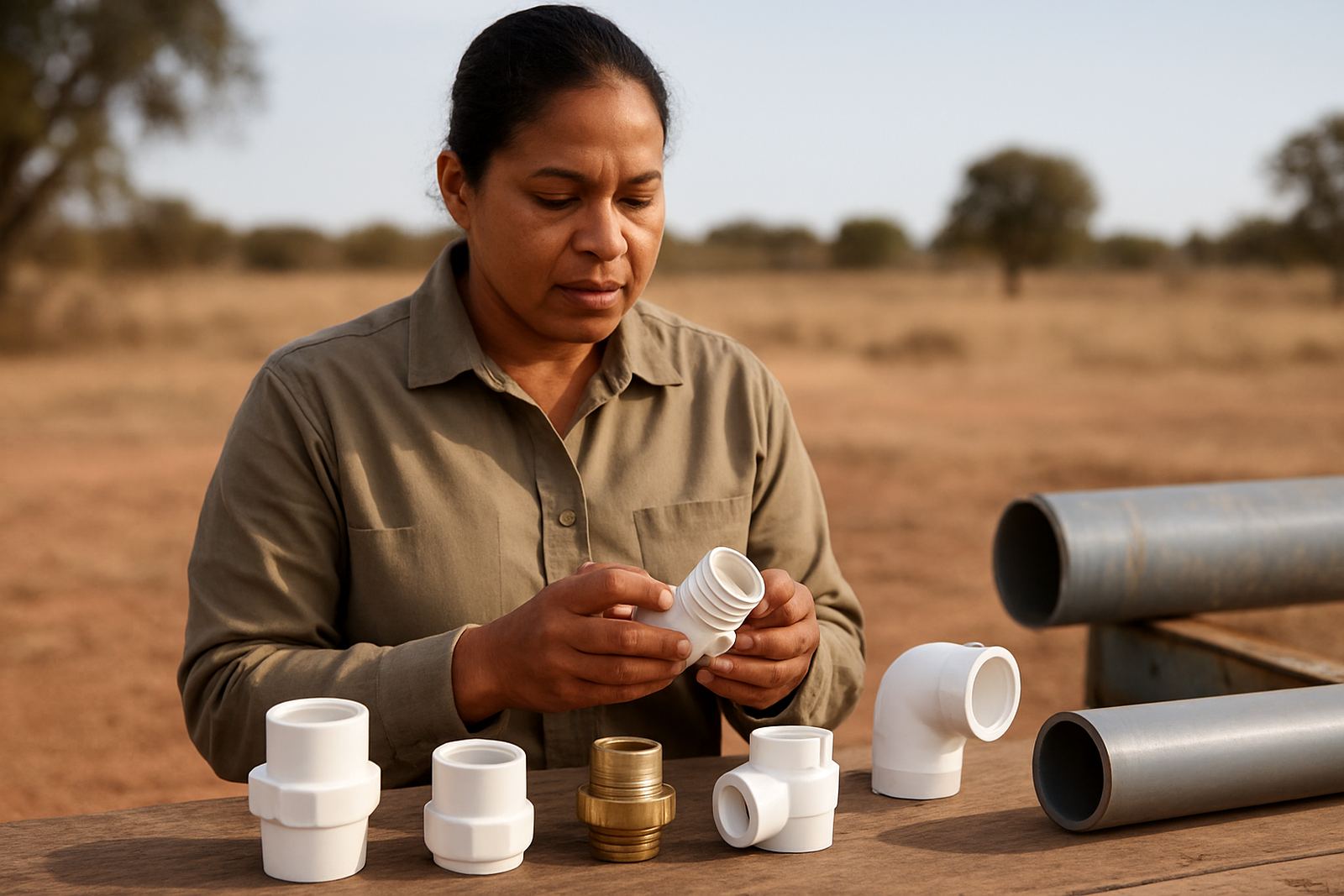
When choosing size, it helps to compare the pipe outside diameter, the fitting socket size and the thread type on the item you want to connect. If there is any doubt, send through the details on the enquiry form and ask for a quantity check before placing a bigger order.
Where a female adaptor suits best
This fitting is useful wherever a solvent-weld run needs to connect to a threaded item. That includes irrigation lines on vegetable farms, orchards, nurseries, sports grounds, lifestyle plots and commercial landscaping jobs. It is also a practical choice for maintenance points where a component may need to be removed later without cutting the pipe every time.
Female adaptors work well around valves, taps, filters, pressure control parts, gauges and certain sprinkler fittings. Contractors often use them at service points because they make the layout easier to understand and simpler to repair. On larger sites, they are handy for pump rooms, header lines and sectional systems where one area may need to be isolated for servicing.
- Farm irrigation mains and submains
- Landscape sprinkler and drip system manifolds
- Valve stations and control points
- Filter assemblies and gauge take-offs
- Outdoor water reticulation where threaded accessories are needed
In Limpopo, where heat and direct sun can be hard on exposed fittings, it is worth using the right adaptor instead of trying to improvise with mixed parts. That helps avoid leaks and keeps the system easier to service over time.
Installation checks and site conditions
Installation is straightforward, but the quality of the joint depends on careful prep. Cut the pipe square, clean the surfaces and make sure the socket is dry before applying solvent cement. Push the pipe fully into the socket and hold it steady for a few seconds so the bond can set properly. For the threaded side, use the correct sealing method for the component being joined, and do not over-tighten.
No power or gas is needed for the fitting itself. It is a manual installation item, so it suits remote sites, farms with load-shedding interruptions and jobs where the crew needs to keep moving without waiting on powered equipment. A simple hand tool set is usually enough for cutting, aligning and tightening threaded parts.
On coastal or humid jobs, let the joint cure properly before pressure testing. In dusty areas, keep the socket and thread clean during assembly. If the line will be buried or left exposed to the sun, make sure the rest of the system is built to match the site conditions and supported where needed.
Care, servicing and long-term use
Female adaptors need very little day-to-day care once installed, but regular checks help prevent small issues from becoming leaks. Look for signs of stress around the threaded connection, especially if the fitting is supporting a heavy accessory or if a hose has been pulled sideways. Check that exposed threaded parts have not loosened after pressure changes or maintenance work.
If a threaded accessory is removed and refitted often, inspect the threads for wear or cross-threading. A damaged thread can cause drips and make the joint harder to seal. Keep the fitting clean, especially where fertiliser, soil or fine sand may collect around the connection.
- Inspect for leaks after installation and after the first few pressure cycles
- Keep threads clean and aligned when refitting components
- Do not use the adaptor to carry unsupported weight from hoses or heavy accessories
- Replace fittings that show cracking, thread damage or repeated seepage
With proper installation and a basic maintenance routine, these fittings can give good service in outdoor irrigation work. That matters on farms and contractor jobs where downtime is costly and the same line may need to run through many seasons.
What to confirm before you order
Before placing an order, check the pipe size on the solvent-weld side and the thread size on the female end. It also helps to know exactly what the adaptor will connect to, because a valve, gauge, tap or filter may use a different threaded size than the pipe line you are building. If you are matching an existing system, measure carefully rather than guessing from appearance.
You should also confirm the number of pieces needed, the delivery point and whether the order is for a new installation or a repair. For contractor work, quantity checks are useful when you need repeated sizes across several sites. If you are planning stock for a farm or a run of jobs, ask for support with product selection and repeat order planning so the right fittings are set aside in time.
- Pipe diameter on the solvent-weld side
- Thread size and thread type on the female end
- What component it must connect to
- Whether the fitting will be above ground or buried
- How many pieces are needed for the full job
- Delivery area, urgent timing and any matching parts required
From Ladanna in Polokwane, stock is supplied across Limpopo including Mokopane, Tzaneen, Hoedspruit, Lephalale and Thohoyandou, with courier dispatch available nationwide. For larger farm orders or contractor accounts, it is worth sending through the full list first so the loading can be checked before dispatch.
Key facts
| Product type | PVC solvent-weld female adaptor |
|---|---|
| Connection | Female threaded outlet with solvent-weld socket |
| Use | Transition from plain PVC pipe to threaded components |
| Application | Irrigation lines, valves, gauges, filters and accessories |
| Installation | Manual fitment with PVC solvent cement on the pipe side |
| Power or gas needed | No power or gas required |