What a 45 Degree Elbow Does in an Irrigation Line
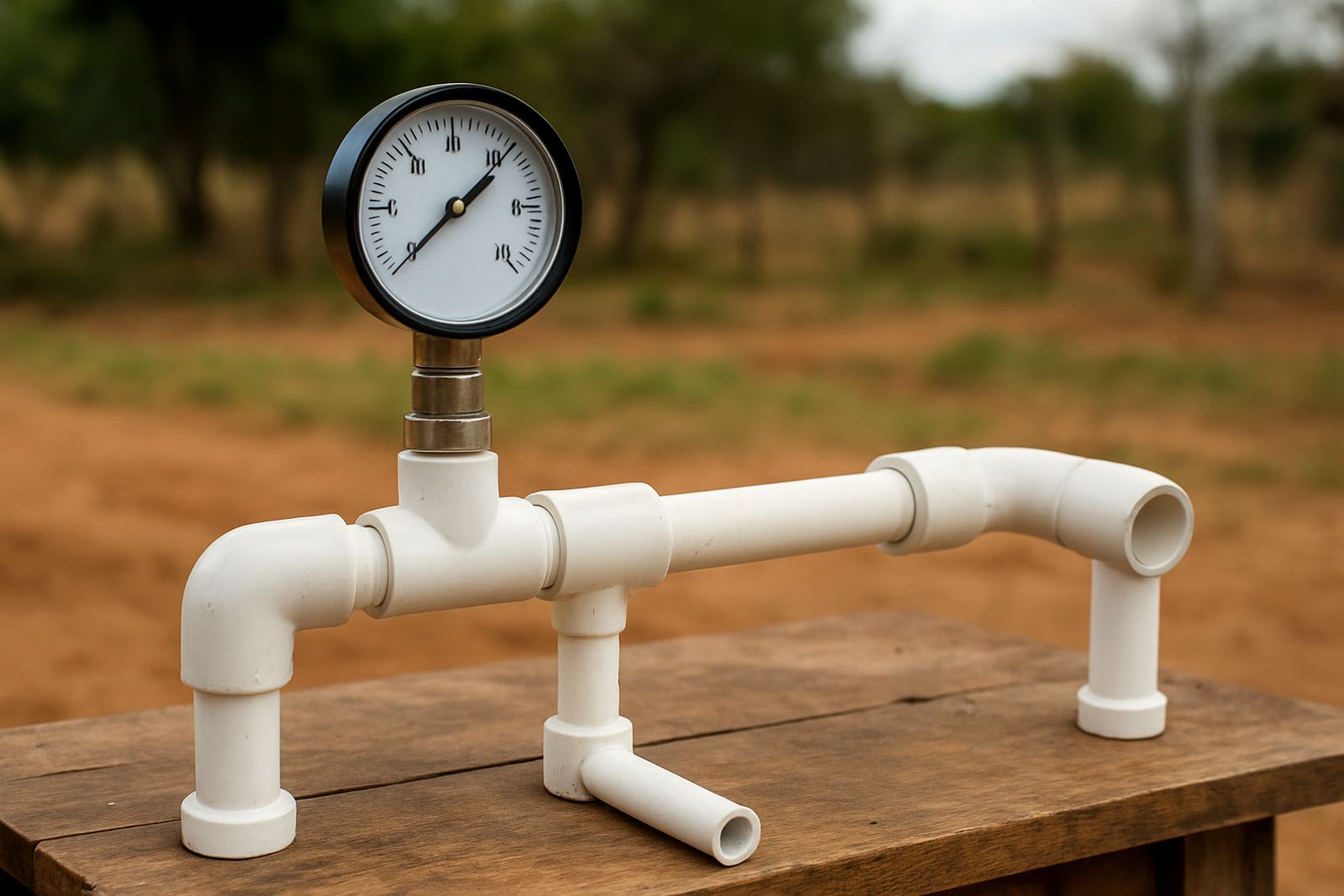
A 45 degree elbow is a solvent-weld PVC fitting used to change the direction of pipework by half a right angle. In irrigation systems that small change can make a real difference, because water is turned more smoothly than it would be through a 90 degree fitting. That helps reduce pressure loss and can cut down on extra strain where the line changes direction.
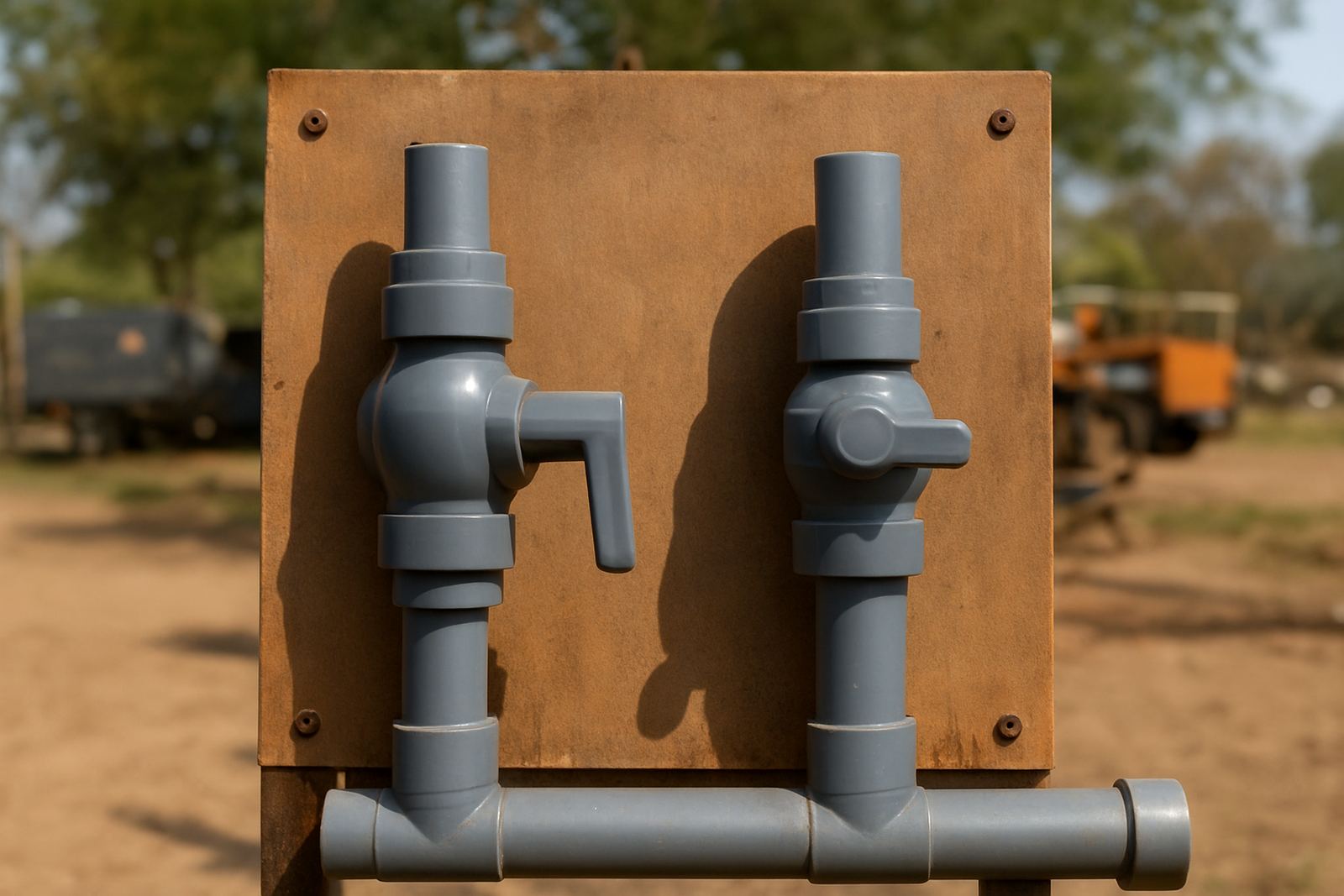
It is often used on main lines, submains, pump runs and branch lines where you want a neater layout or less turbulence. On farms and landscaped sites, it also helps when you need to work around beds, paths, sheds, boundary walls or uneven ground without forcing the pipe into a sharp corner. The result is a tidier system that is easier to plan and service.
These fittings are made for outdoor use and suit irrigation work in harsh sun, dust and season changes. If you are laying pipe in Limpopo heat or on a site that sees heavy morning watering and dry afternoons, a properly matched elbow can help the line hold up better over time.
Sizes, Pressure Ratings and Pipe Matching
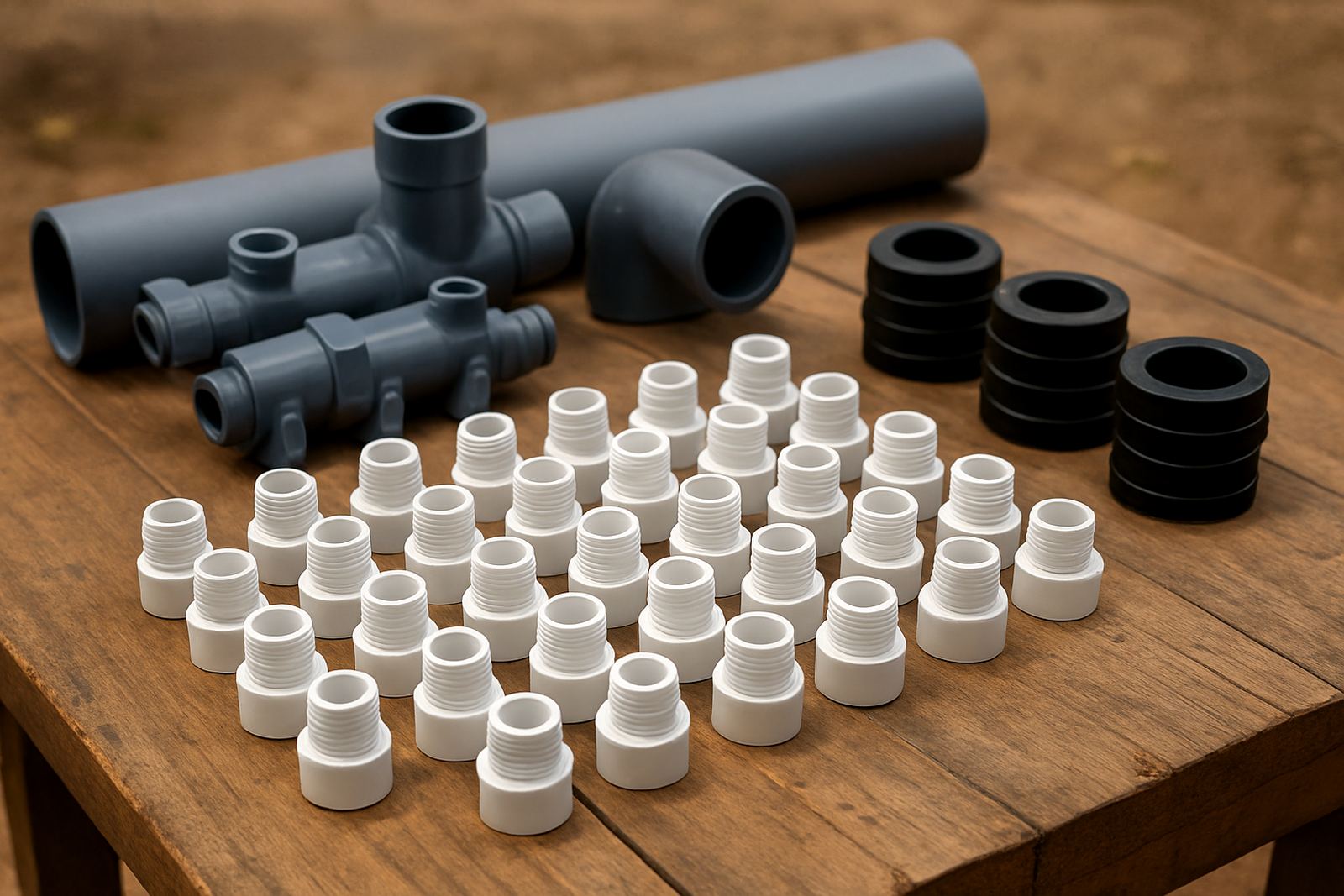
Our 45 degree elbows are supplied for irrigation pipework in common PVC sizes used across South African farms and landscaping jobs. The key is matching the fitting to the pipe outside diameter and class so the joint is sound and the system behaves as planned. A 50 mm elbow is not the same as a 40 mm or 63 mm one, so do not guess when ordering.
These fittings are intended for solvent-weld joining and are used with compatible PVC pipe and approved solvent cement. They are available in selected pressure classes depending on the line design and the pressure your system runs at. If your pump delivers a higher pressure or the line is long, check that the fitting class suits the rest of the system.
- Common irrigation sizes include 20 mm, 25 mm, 32 mm, 40 mm, 50 mm and 63 mm where available
- Designed for solvent-weld PVC irrigation pipe and compatible fittings
- Use with the correct pipe class for the pressure in your line
- Suitable for new installations and repairs where the existing system must match up cleanly
If you are combining older pipework with new material, bring the measurements through carefully. A quick size check now saves a lot of rework later, especially on a busy farm where stoppages cost time.
Where a 45 Degree Elbow Suits Best
This fitting suits irrigation runs where you want the water path to change direction without a sharp turn. It works well on orchard lines, vegetable blocks, nursery layouts, centre island runs, boundary irrigatio n and landscaped areas with long straight sections and occasional offsets. It can also help in yards and service areas where pipe must move around structures or align with existing trenches.
Contractors often prefer 45 degree elbows where they need to ease the flow around a corner or maintain a more controlled layout. In windy or exposed areas, a gentler directional change can be helpful when the system is already dealing with pressure variation, long distances or uneven ground levels.
- Farm irrigation mains and submains
- Landscape and garden irrigation layouts
- Nursery bench and bed systems
- Repairs where a broken section needs a neater change of direction
- Systems that must fit around walls, tanks, sheds or established trees
For coastal or humid areas, keeping joints well made and lines correctly supported is important. A good elbow is only part of the job, but it plays a useful role in keeping the full system orderly and dependable.
How to Install It Properly on Site
Installation does not need power or gas. A 45 degree elbow is joined by solvent welding, so the main requirements are correct pipe preparation, the right cement, clean working ends and enough time for the joint to set before pressure is introduced. Cut the pipe square, dry-fit first, and make sure the elbow angle is pointing the right way before applying solvent.
Because irrigation systems often run outdoors and across uneven ground, support matters as much as the joint itself. Pipes should be laid with proper alignment and not left hanging on the fitting. If the line will run under load, across a trench edge or near a pump room, make sure the pipe is bedded and supported to prevent movement when the water starts and stops.
- Measure twice and check the angle before cementing
- Clean pipe ends and fitting sockets before joining
- Use the correct solvent cement for PVC irrigation work
- Allow proper curing time before pressure testing
- Keep the line supported so the joint is not carrying weight
Where temperatures are high, solvent can flash off quicker than expected, so work steadily and do not rush the sequence. On cooler mornings, allow a bit more time for the joint to settle. That small bit of care helps avoid leaks and cracked alignment later on.
Care, Service Life and What to Watch Over Time
Once installed, a 45 degree elbow should need very little direct attention, but it still benefits from routine inspection. Check joints after pressure testing, after the first few watering cycles and again during seasonal maintenance. Look for seepage, cracking, movement in the line or any sign that the pipe has been forced out of alignment by soil settling.
In outdoor South African conditions, the main enemies are sun, movement and poor jointing. If the pipe is left exposed, use the right protection for the full system and keep fittings out of unnecessary stress. In areas with strong sun and hot afternoons, material choice and clean installation matter more than most people expect. A fitting that is overstrained can fail long before the pipe should.
There is no special servicing on the elbow itself, but it is wise to keep records of the pipe size, fitting class and layout changes. That makes future repairs faster when a contractor returns to the same block or a farmer wants to extend the line next season.
What to Check Before You Place an Order
Before ordering, check the pipe diameter, class, number of elbows needed and whether the system needs standard or heavier duty fittings. If the layout includes pumps, long runs or multiple branches, it helps to know the operating pressure and the exact point where each change of direction will sit. That makes the supply match the job first time.
We also recommend checking whether you need straight couplers, tees, reducers or other related fittings at the same time. A 45 degree elbow works best when the whole line is planned as one set, not as a series of isolated parts bought one by one. That saves repeat trips and keeps the job moving.
- Pipe size and pipe class
- Number of elbows required per line or block
- System pressure and pump details
- Whether the line is new, repaired or being extended
- Any related fittings needed for the same install
If you are not sure, send the measurements and layout details through the enquiry form on our contact page. Our team can help with product selection, system matching and quantity checks so you get the right fittings for the job, not just something close enough.
Key facts
| Product type | 45 degree PVC solvent-weld elbow |
|---|---|
| Use | Directional change in irrigation pipework |
| Common sizes | 20 mm, 25 mm, 32 mm, 40 mm, 50 mm, 63 mm where available |
| Connection method | Solvent-weld socket connection |
| Installation requirement | No power or gas needed, basic pipe tools and solvent cement only |
| Best suited for | Farm, landscape, nursery and contractor irrigation systems |