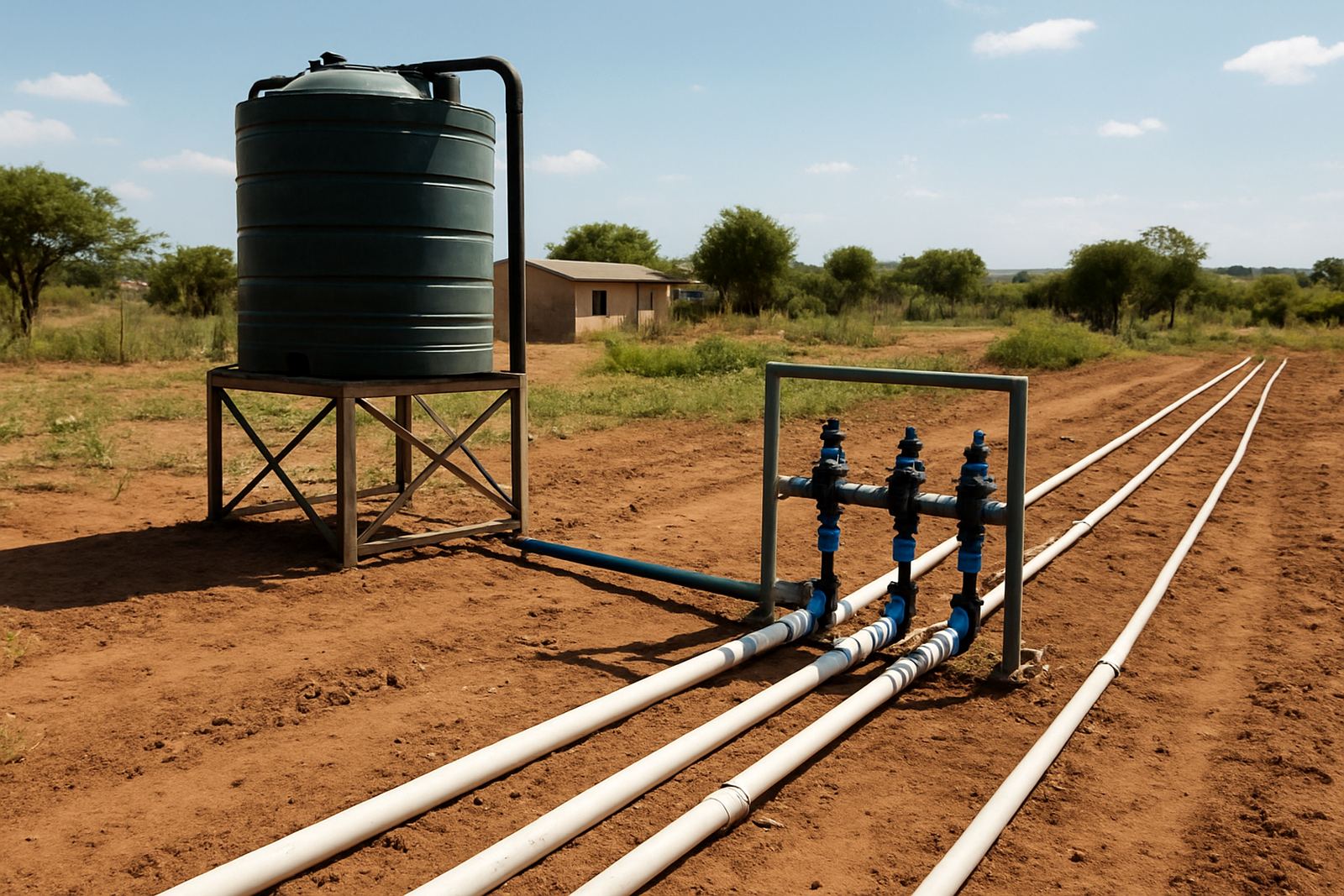
What the Seshego smallholding needed
The client is a smallholding owner in Seshego, just outside Polokwane, with a mix of planting areas, open ground and a few sheltered sections that all needed watering at different times. The brief was straightforward: create a system that could run reliably through the hot Limpopo season, allow sections to be isolated for maintenance, and keep the layout simple enough for day to day use.
Because the property was being used for more than one purpose, the system had to cope with changing water demand. Some zones needed shorter watering runs, while others required longer mainline coverage. The owner also wanted fittings that would hold up to outdoor exposure and repeated use, without ongoing leaks or unnecessary joins. We checked the intended flow points and worked from there so the pipework matched the real layout rather than a guess.
- Location: Seshego, Polokwane area
- Property type: mixed-use smallholding
- Watering need: multiple flexible zones
- Main focus: dependable joining and practical control points
Constraints on site and how we planned around them
The site had uneven planting lines, a few longer runs across open ground, and working areas that could not be left wet for long periods. Like many properties in this part of Limpopo, water pressure had to be used carefully and fittings needed to be selected with a proper eye on the pipe sizes in use. We also had to allow for future changes, because smallholding layouts often shift as crops, rows or shelter areas change.
Another issue was timing. The owner wanted the system ready for use quickly, but not rushed. We planned the parts list so the essential fittings were on hand before installation started, which cut down on delays. The work had to be neat too, because exposed pipework on a smallholding can take knocks from tools, moving equipment and general traffic. A sloppy join on a farm line usually costs more later, so we kept the assembly practical and easy to service.
- Uneven watering zones required separate take-offs
- Open runs needed durable solvent-weld joints
- Future expansion was allowed for in the layout
- Pipework had to stay accessible for checks and repairs
What we supplied for the line build
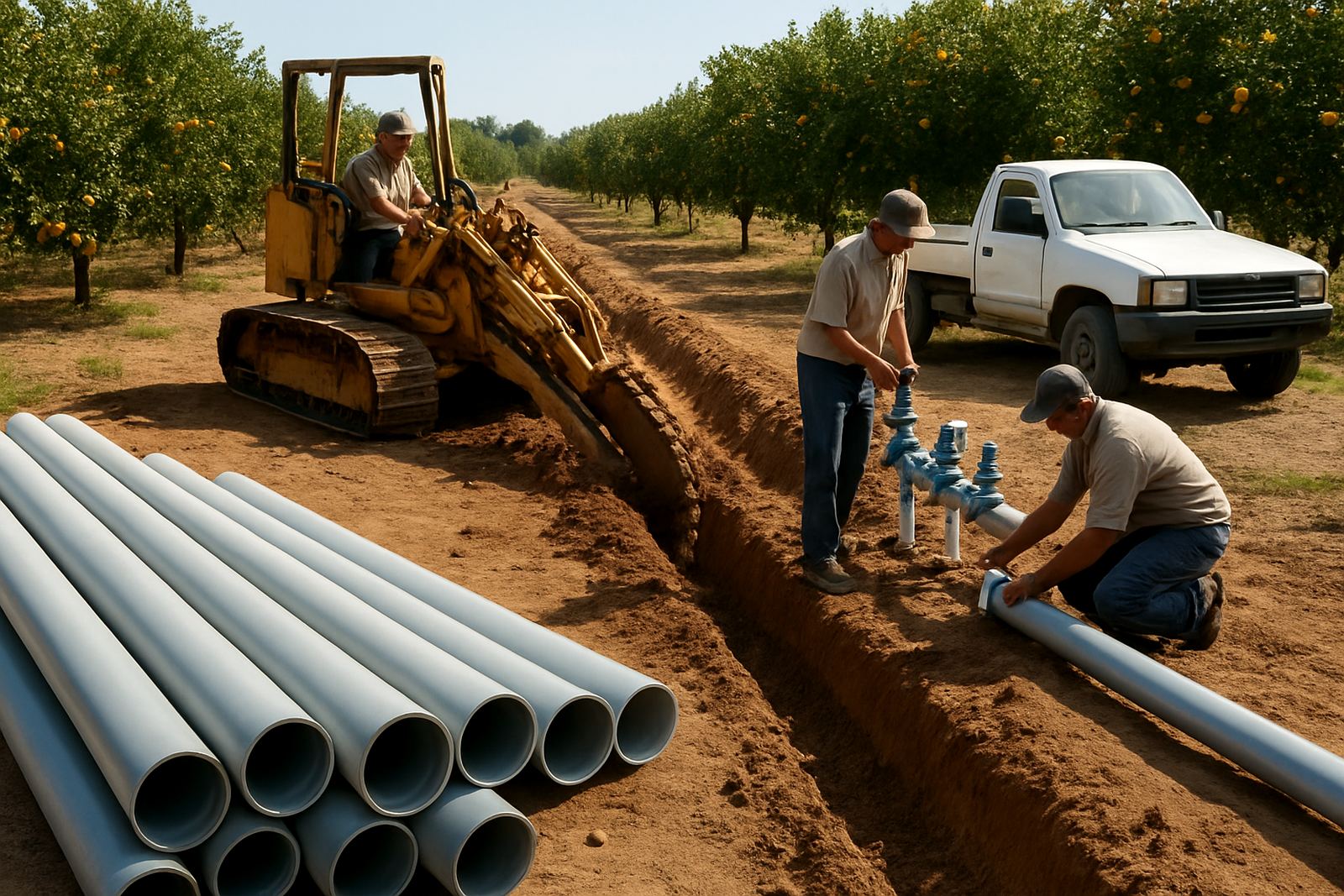
We supplied a full set of PVC solvent-weld fittings and matching tools suited to irrigation work. That included the fittings for the mainlines, branch take-offs, junctions and terminations, plus the items needed for proper cutting, cleaning and joining. The material choice was based on outdoor use, so the fittings would handle sun exposure, moisture and normal site wear better than lighter duty parts.
The mainline sections were set up to feed the different watering zones, with branch take-offs placed where the owner could manage flow without having to shut down the entire system. We also supplied the small but important support items that often get left out on a rushed order, such as jointing aids and the bits needed for accurate quantity checks. That helped keep the job moving once the installation started.
- PVC solvent-weld fittings for irrigation pipework
- Tools for measuring, cutting and joint preparation
- Junctions and take-offs for zone division
- Support items for accurate fitting and assembly
How the system was put together
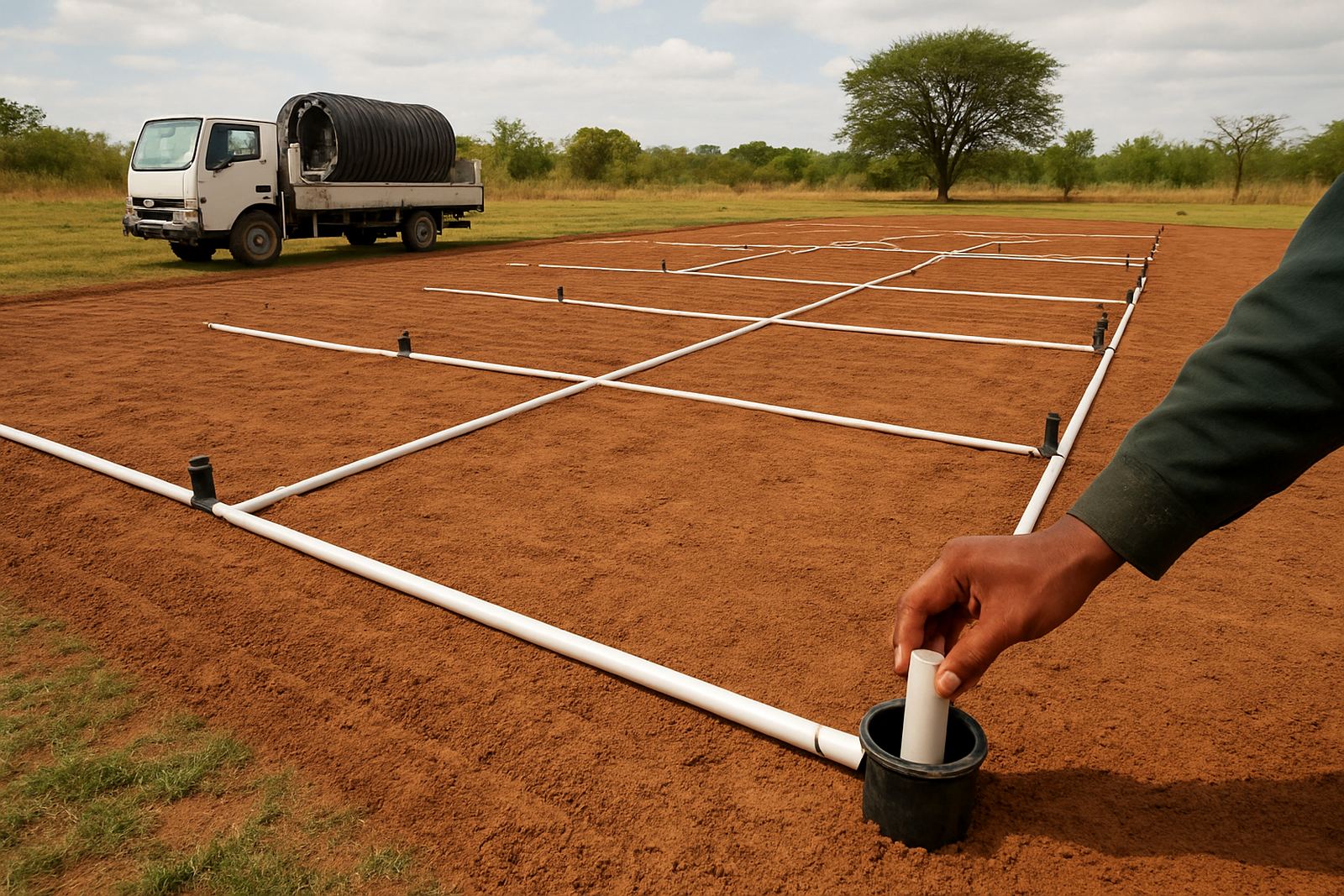
The installation was organised over two weeks. In week one, the pipework route was marked out and the mainline sections were assembled and checked. Branch take-offs were then positioned so each watering area could run on its own schedule. Week two covered final joining, pressure checks and small adjustments to make sure the layout stayed tidy and practical.
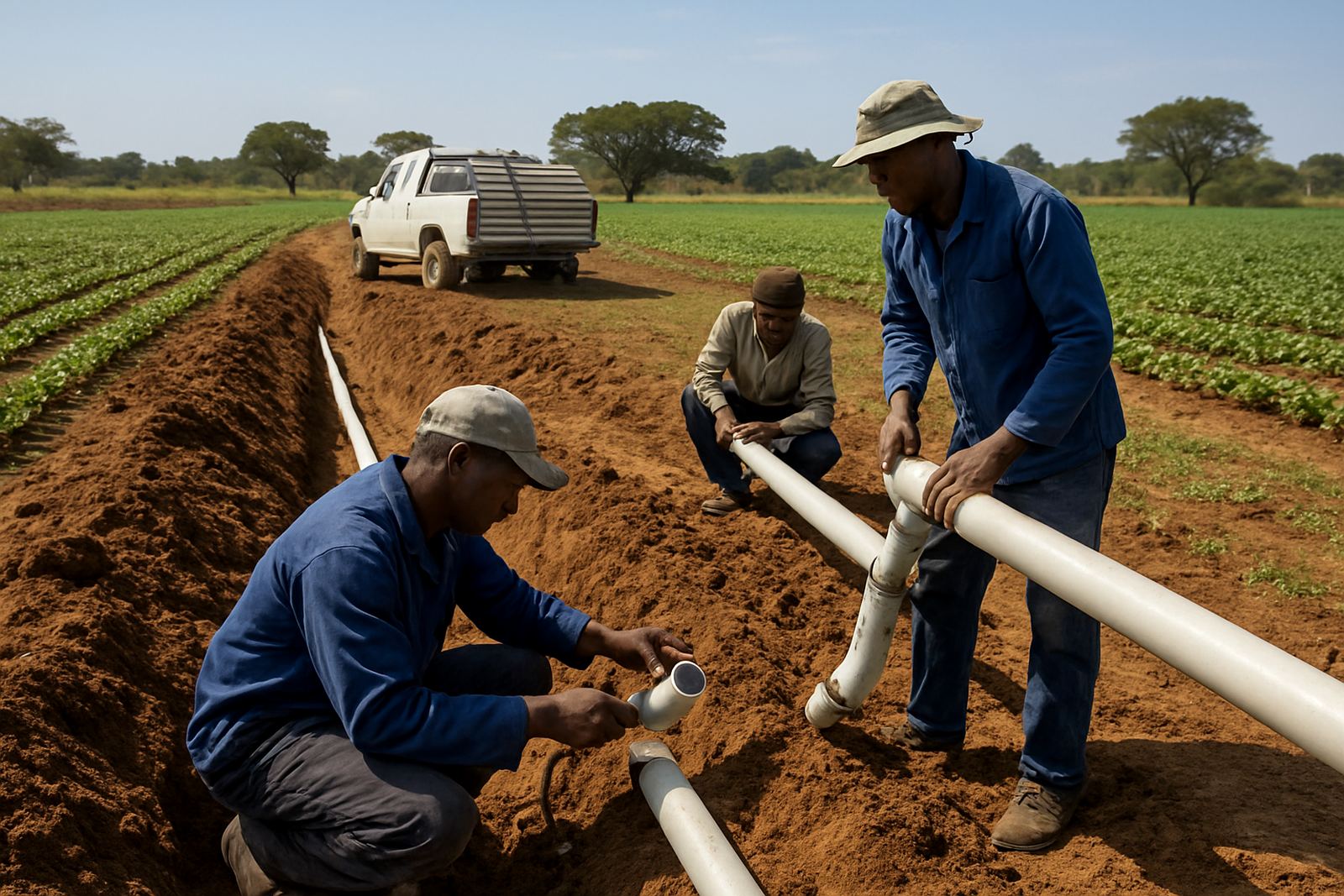
The main idea was to keep the system simple but adaptable. Rather than forcing everything into one line, we split the watering into manageable sections. That meant the owner could water a planted area without flooding a path or leaving a dry section waiting for the full system cycle. It also made maintenance easier, since a single zone can be handled without disturbing the whole network. The joins were cleaned and seated properly, because irrigation problems usually start with poor prep rather than the pipe itself.
- Timeline: 2 weeks from layout to final checks
- Mainlines installed for primary water movement
- Branch take-offs created separate watering zones
- Final checks confirmed flow direction and join quality
Results on the ground
Once the system was in use, the owner had better control over where water went and when it went there. The flexible zone setup made it easier to manage mixed planting areas, and the mainline arrangement reduced the need for constant manual changes. In practical terms, that saved time and made the whole watering routine easier to repeat from day to day.
Because the fittings were chosen for outdoor service, the system was able to take normal weather exposure without giving trouble. The owner also gained a clearer understanding of the pipe layout, which matters when a smallholding has more than one water requirement. A good irrigation setup should not create work for the user, and this one kept the controls plain and simple. There was no need for constant fiddling and that made a real difference during busy periods.
- Better control of separate watering areas
- Less manual switching between sections
- Cleaner layout for future servicing
- More predictable water use across the property
Why this approach suits Limpopo smallholdings
Smallholdings around Seshego, Polokwane, Mokopane and nearby areas often need systems that can change with the season. One month the focus is on a few beds, the next it may be shelter lines, trees or a working patch. For that reason, we prefer a parts selection that lets the owner keep the base system in place while adding or moving branches as needed.
If we were doing the same job again, we would follow the same pattern: confirm the zone plan first, choose the pipe sizes carefully, and make sure the mainline has enough flexibility for future changes. We would also reserve a few extra fittings from the outset so the owner is not stuck later when a new section is added. In this climate, a system that can be adjusted without major rework is worth far more than a complicated one that looks good on paper.
- Works well for changing crop layouts
- Allows future branch additions
- Supports practical repairs and re-routing
- Suited to hot inland conditions and regular use
Key facts
| Client type | Mixed-use smallholding owner |
|---|---|
| Town | Seshego, Polokwane |
| System type | PVC irrigation mainlines with branch take-offs |
| Core materials | Solvent-weld PVC fittings and irrigation tools |
| Timeline | 2 weeks |
| Service support | Product selection, jointing advice, troubleshooting help |