Project brief for a growing vegetable block
The client was an open-field vegetable producer near Giyani, working through a staged expansion across planted blocks that needed reliable water delivery from the main line to the laterals. The brief was straightforward on paper, but demanding in practice: reduce leaks, make future maintenance easier, and keep the pipework tidy enough for the farm team to service without wasting time in the field.
The existing layout had a few problem points, mainly where lines had been extended over time and servicing meant cutting into pipe too often. The farm needed better jointing, proper isolation at service points, and fittings that could handle daily exposure to sun, dust and repeated handling. In Limpopo, those small weak spots show up fast once the heat sets in, so the system had to be planned for long term use, not just quick assembly.
Our role was to match the fittings and tools to the actual field conditions, then support the order in a way that suited a phased rollout. That included helping the client separate immediate needs from reserve stock for the next planting cycle, so the team would not be caught short halfway through expansion.
What the layout needed to solve
The farm wanted stronger joints on the main irrigation runs, plus clearer service points where sections could be isolated without disrupting the full block. The client also wanted a system that the maintenance team could understand quickly, since multiple hands were involved during peak season. That meant choosing fittings and accessories that kept alignment neat and made future repairs simpler.
There were a few practical constraints to work through:
- Hot daytime temperatures and strong UV exposure on exposed pipe runs
- Dust and mud during field work, especially after irregular rain
- Limited downtime between planting and irrigation commissioning
- Need for service points that could be reached without digging up long sections
- Order staging for a growing block rather than one single install
We also had to keep the supply plan flexible enough for change. Vegetable planting blocks can shift slightly as the farm adjusts row spacing, pump schedules and block size, so the material list had to allow for measured changes without creating shortages or excess offcuts.
Materials and tools supplied
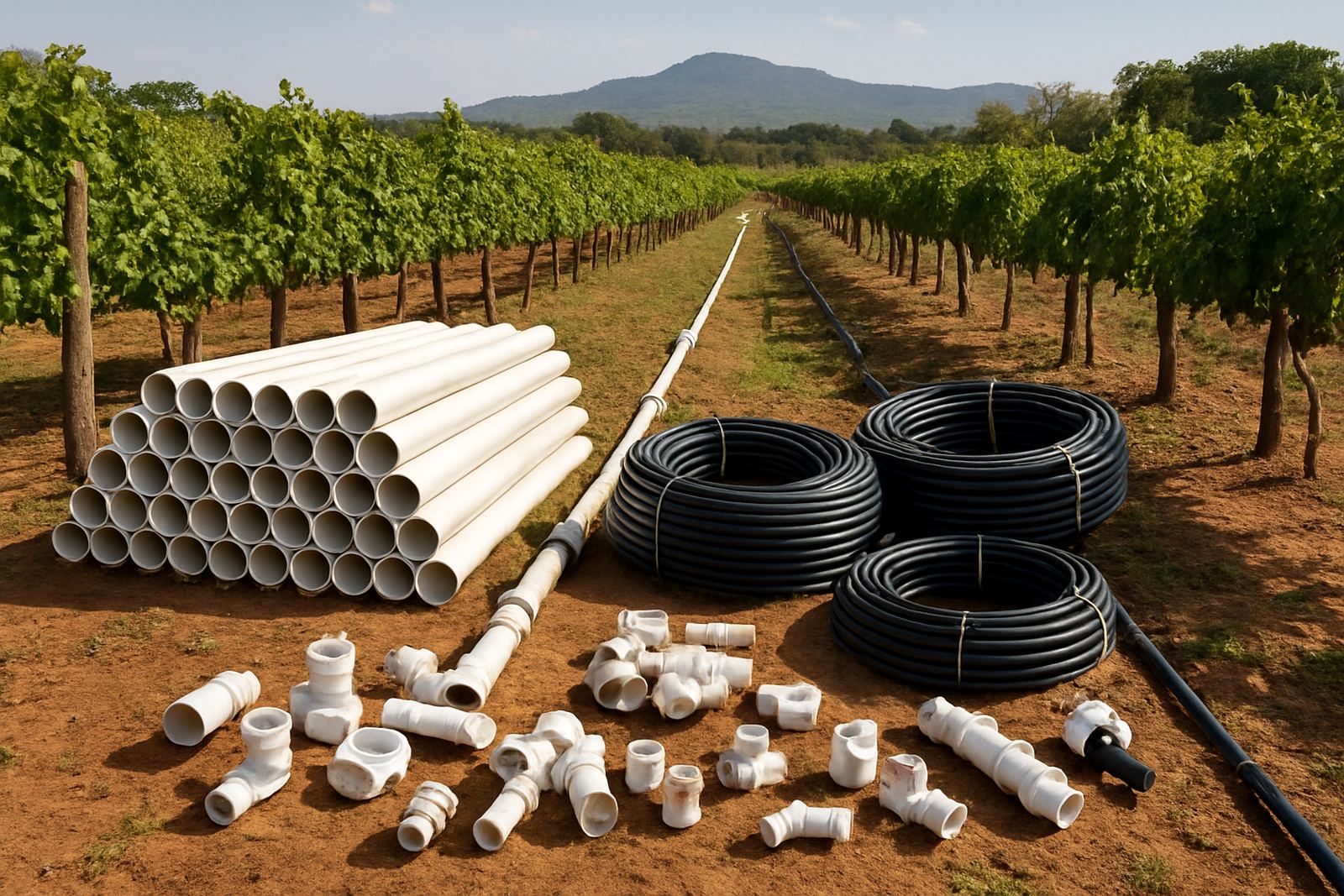
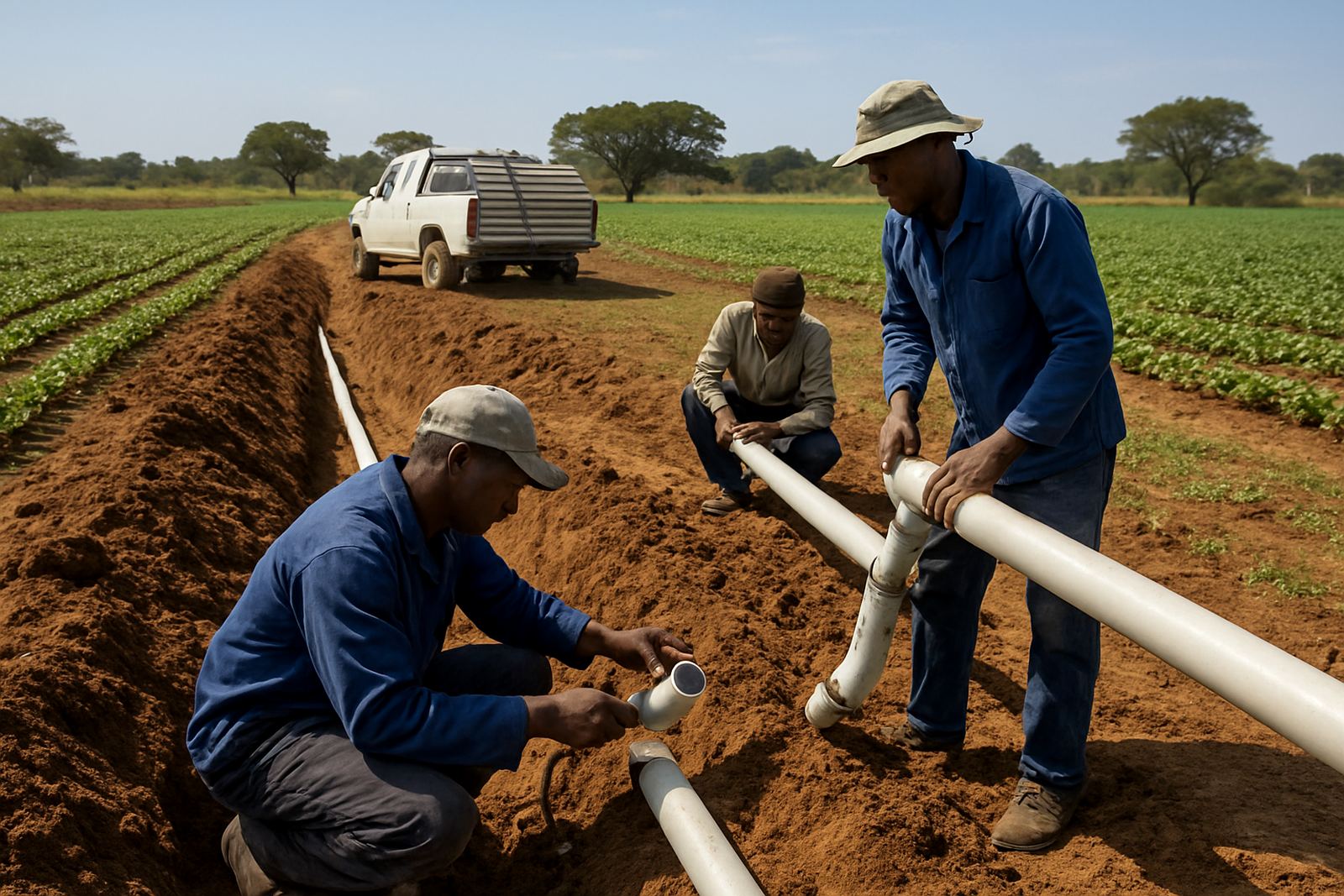
We supplied a mix of PVC pipe solvent-weld fittings and fitting-out tools suited to irrigation work on open-field vegetable lines. The order covered the main line build, branch connections and service-ready points for later maintenance. The team selected items with field durability in mind, especially where pipe would be exposed or handled often during seasonal adjustments.
The key supply included:
- Solvent-weld couplers, elbows and tees for line changes and branch take-offs
- Reducers and adaptors for matching different line sizes
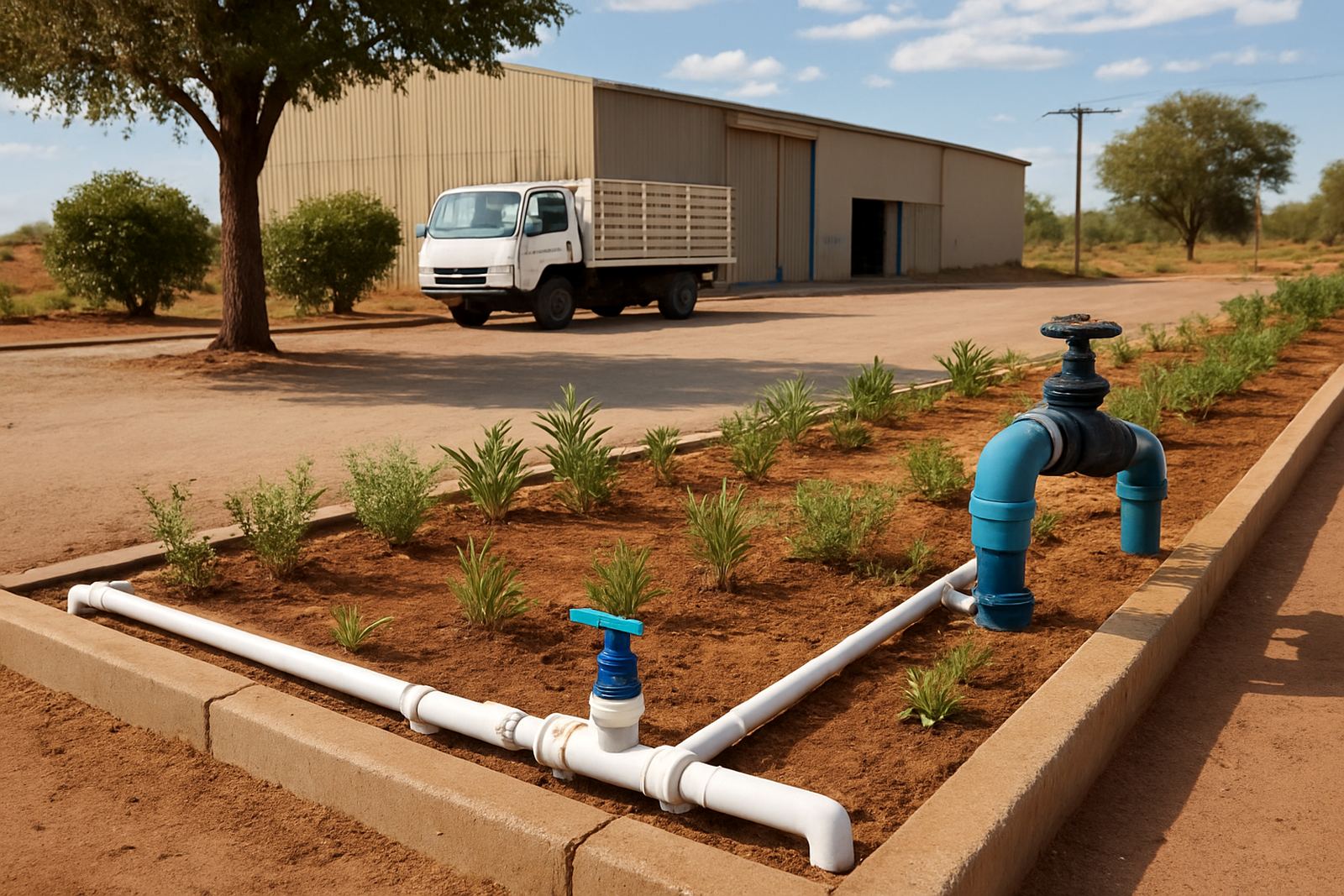
- Valving and isolation fittings for service sections
- End caps and blanking components for future extensions
- Cutting and preparation tools for clean jointing
- Jointing aids and support items for a neater install
For this type of work, the small details matter. Clean pipe ends, correct fit-up and proper solvent-weld preparation give the joint a better chance of holding under field pressure and daily vibration from pump cycling. We kept the item mix practical rather than overcomplicated, because the farm needed parts that could be used by the on-site crew without special handling.
How the rollout was handled in weeks
The project was handled over a four week period from first order confirmation to final support after installation. Week one covered product selection and line matching, where we checked the sizes, quantities and service points against the farm plan. Week two covered stock reserving and load planning, so the farm could collect the first batch while the rest was prepared for dispatch.
During week three, the remaining items were dispatched and delivered in line with the client’s install sequence. Because the farm was expanding in phases, part of the order went by local delivery in Limpopo and the balance was kept ready for follow-up courier dispatch. Week four covered after sales support, where we checked on jointing questions, quantity usage and any small adjustments needed on the next block.
The approach worked well because the client did not have to stop and wait for every section to be complete before moving to the next stage. That matters on vegetable farms, where timing can affect planting and irrigation start-up, and where delays usually cost more than the material itself.
Results on the field lines
Once the new fittings and service points were in place, the farm had a cleaner layout and fewer unnecessary break-in points along the main runs. The stronger joints gave the team more confidence during daily operation, and the service sections made it easier to isolate only the area that needed attention. That reduced wasted water and shortened repair time.
The client also gained better stock control because the order was split and confirmed in a way that matched the expansion schedule. Instead of scrambling for missing pieces later, the team had the right fittings on hand for the next phase. That made planning simpler, especially where a pump shutdown or a leak can interrupt watering on a hot day.
- Less time spent tracing leaks and opening long sections of pipe
- Neater branch lines for easier maintenance by farm staff
- Better control over parts usage during phased expansion
- Improved readiness for follow-up planting blocks
For an open-field vegetable setup, the practical gain was not just in the hardware. It was in the way the system could now be managed by the people working it every day. That is where a good irrigation supply order pays off, because the farm does not need to guess which part belongs where or stop work for a simple repair.
What we would repeat on a similar farm
If we were doing a similar Giyani vegetable line project again, we would follow the same approach: match the fittings to the actual field layout, reserve stock in stages, and keep service points easy to reach. That combination gives the client more control during expansion and keeps the system manageable when the season gets busy.
We would also keep the order plan tied to the planting sequence from the start. On a farm that is growing in blocks, the supply list should not be treated as a one-off purchase. It should support the first install, the next extension and the small maintenance jobs that follow. That is where clear quantity checks and repeat order support save time.
In Limpopo, where heat, dust and fast-moving crop schedules are part of normal farm life, the best irrigation setup is the one that can be serviced quickly and kept running without fuss. That was the goal here, and it is the same approach we would use again for another vegetable line in the region.
Local support across Limpopo and beyond
PVC Welders supports farmers, contractors and landscapers from our Ladanna base in Polokwane, with irrigation stock trucked across Limpopo and couriered nationwide. For projects like this one, the value is in getting the right fittings to the right place on time, with enough guidance for the crew to install and maintain the line properly. Our team includes Mpho Sekgobela, Annelie van Zyl, Thabo Mashaba, Lerato Mokoena, Johan Smit and Nokuthula Dlamini, and each part of the order gets handled with practical follow-through.
Whether the job is in Giyani, Tzaneen, Hoedspruit, Lephalale, Thohoyandou or further afield, we help with product selection, system matching, stock reserving, quantity checks, jointing advice, troubleshooting and after sales support. Clients reach us through the enquiry form on our contact page, which keeps the order trail clear and makes it easier to respond with the right information first time.
Key facts
| Project type | Open-field vegetable irrigation expansion |
|---|---|
| Client area | Giyani, Limpopo |
| Timeline | 4 weeks from selection to after sales support |
| Core materials | PVC solvent-weld fittings, service fittings, adaptors and installation tools |
| Main outcome | Stronger joints and easier maintenance access |
| Supply model | Limpopo delivery with courier support for follow-up stock |