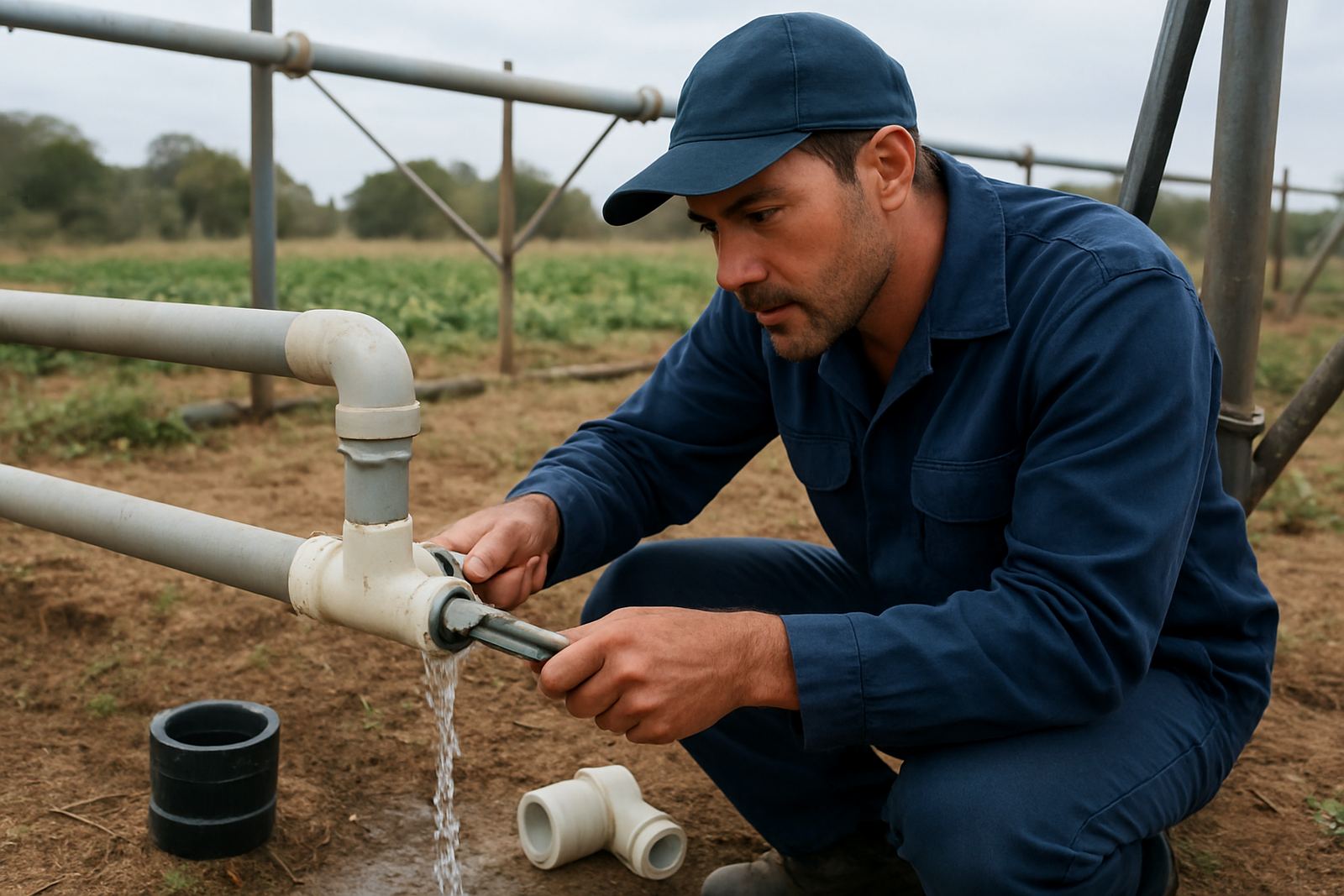
What Our Troubleshooting Help Covers
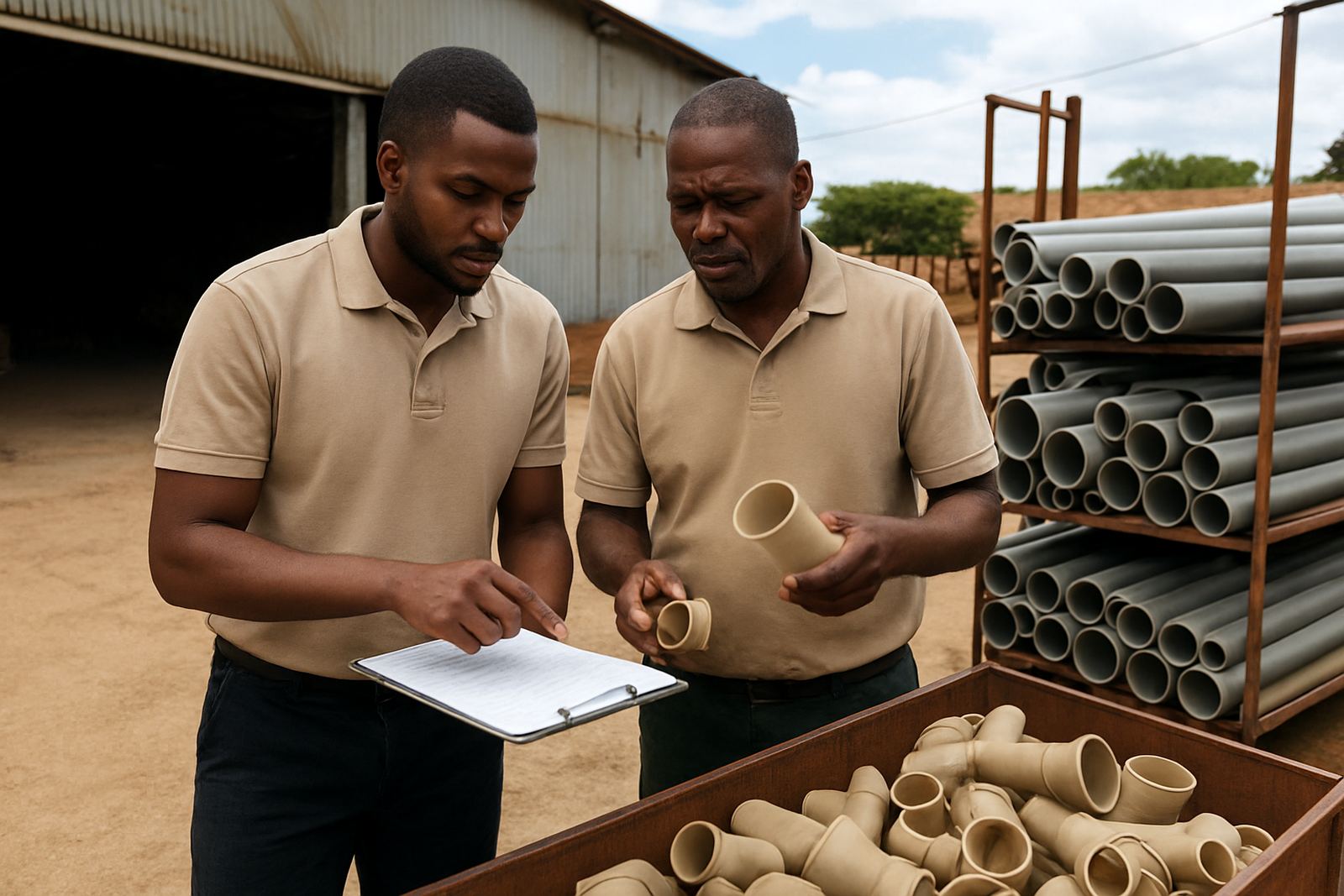
Our troubleshooting service is built for common irrigation problems on solvent-weld PVC lines, manifolds and distribution runs. We deal with leak points at joints, cracked fittings, poorly aligned pipe ends, loose caps, damaged tees, elbows, reducers and valves, plus sections that have been stressed by trench movement, tractor traffic or high pressure surges. We also assist when a system was assembled with the wrong pipe class or a fitting size that looked right on site but does not seal cleanly once under pressure.
Most callouts and enquiries start with one of three symptoms: water seeping at a joint, a section that will not line up properly, or a damaged fitting after digging, loading or maintenance. We look at the full line path, not only the visible fault, because a small change in pipe support or pressure rating can cause repeat leaks. For larger farms and contractor jobs, we can help you compare the failed section against the rest of the installation so the repair matches the original line size, wall thickness and working pressure.
- Leak checks on glued or solvent-welded joints
- Fit-up support for pipe and fitting alignment
- Replacement guidance for cracked or UV-worn parts
- Advice for pressure related damage and recurring faults
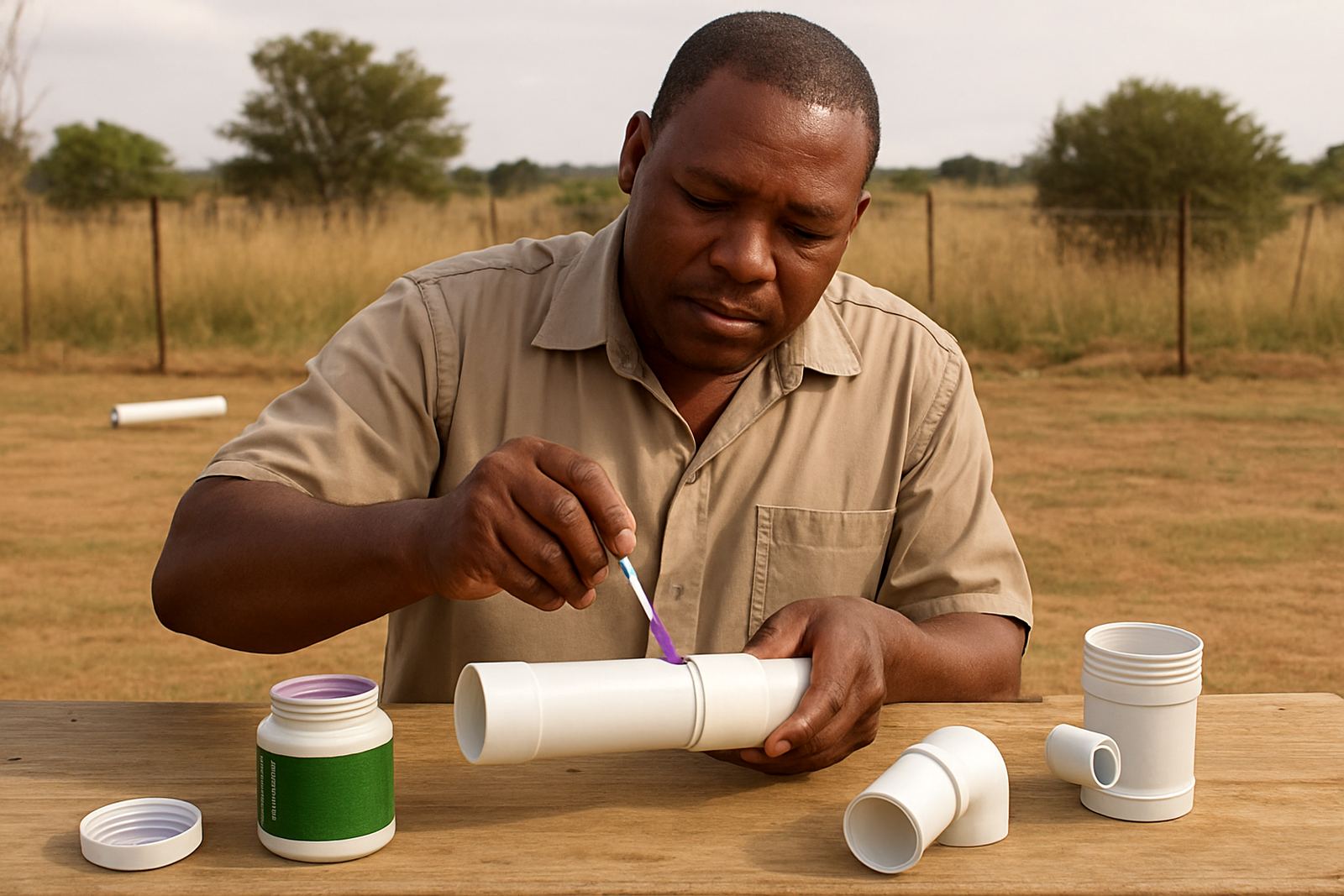
- Checks for size mix-ups, miscuts and poor joint preparation
How We Work Through A Fault
The process starts with the basics: where the fault is, what size line is installed, what pressure the system runs at, and whether the issue started after a repair, a pressure increase, or physical damage. From there, we help identify the likely cause and the parts needed to fix it properly. If you are collecting from Ladanna or arranging delivery to Polokwane, Mokopane, Tzaneen, Hoedspruit, Lephalale or Thohoyandou, we can check stock and reserve the correct fittings before the order is confirmed.
For enquiries through the contact form, please include pipe size, fitting type, pressure class if known, and clear photos of the damaged section. A straight photo of the full assembly and one close-up of the joint usually helps a lot. If the pipe has been cut already, we will ask for the cut length and the space available for rejoining, because this affects whether a straight coupling, repair coupling or a short rework section will solve the problem neatly. We try to keep the advice practical, not complicated, and we will tell you if the cheaper fix will only hold for a short while.
- Send the fault details and photos through the enquiry form
- We confirm the size, pressure class and likely cause
- We match the replacement fitting or tool required
- Stock is reserved and a collection or delivery plan is set
- After the repair, we can advise on a quick recheck
Common Repair Scenarios We See On Site
On farms and landscaped sites, the same faults come up often. Joint leaks are usually linked to poor surface preparation, dust on the pipe end, insufficient curing time, or movement before the weld has settled. Poor fit-up tends to come from pipe that was cut unevenly, a mismatched size, or a run that was installed under strain. Damaged sections often happen on exposed lines, where sun, wind and repeated handling dry out the material over time. In coastal or humid conditions, some systems also suffer when fittings are stored badly before installation, so the wrong piece may already be stressed before it goes on the line.
We can help with the following:
- Repaired joints that keep seeping after pressure is applied
- Pipe ends that will not seat fully into the socket
- Cracked elbows, tees, reducers and end caps
- Sections damaged by digging, machinery or livestock movement
- Repairs needed after load-shedding related pump cycling and pressure changes
Where a fault repeats in the same spot, we look at support spacing, clamp points, valve placement and whether the line is being forced to bend. Sometimes the real issue is a short unsupported run or a section that was installed too close to a hot surface or heavy traffic area.
Turnaround Times And Order Handling
For straightforward faults, we aim to respond quickly once the enquiry form details are in. If the required fitting is in stock at Ladanna, the next step is usually same-day or next-business-day handling, depending on the time the enquiry comes through and the delivery route. For regional runs across Limpopo, timing depends on the area and the load schedule. Couriers are used for nationwide orders, and these move according to route and pickup cut-off times.
If the fault needs a replacement item that is not standard on the shelf, we will say so early and help with a matching option where possible. For contractors handling multiple repairs at once, we can group the order to reduce repeat trips and keep the fix list together. When a line failure is urgent, we focus first on the part needed to stop the leak or restore flow, then on any follow-up parts that may be useful for a neater permanent repair.
- Quick stock check before confirming the repair part
- Same-day handling where stock and timing allow
- Regional delivery planning for Limpopo routes
- Nationwide courier dispatch for out-of-area jobs
- Repeat order support for ongoing maintenance teams
Pricing Approach For Troubleshooting Support
Our pricing is based on the parts, quantity and delivery method needed to solve the problem, not on unnecessary extras. For many jobs, the main cost is the replacement fitting or section, while the advice itself is aimed at helping you avoid buying the wrong size twice. If a repair can be done with one coupling instead of a full section replacement, we will tell you. If a short-term fix will only delay a bigger failure, we will say that too.
For contractors and repeat customers, we can assist with quantity checks and contractor account planning so common repair items are easier to keep on hand. That helps where irrigation systems are spread over several blocks or where faults come up on different sites in one week. No surprise add-ons, just clear pricing for the items that actually solve the fault. If you need a quotation for a batch of repairs, send the sizes and count through the contact form and we will work from that.
Maintenance Intervals That Reduce Repeat Faults
To keep irrigation lines working properly, regular inspection matters more than waiting for a major failure. For exposed lines, we suggest a visual check every 4 to 6 weeks during active use, especially after strong sun, wind, pump changes or field work near the line. In high-use farm systems, a quick seasonal check before planting and again before peak watering is worth doing. On permanent landscape installations, a quarterly review is usually enough unless the site has traffic, settling soil or frequent valve operation.
During a check, look for hairline cracks, white stress marks, loose pipe support, damp patches around joints, and fittings that have started to move. Replace any damaged section before it splits fully, because a small leak often becomes a much bigger one once pressure cycles keep working the weak point. If you are unsure whether a fitting is still serviceable, send a photo before the next watering cycle. A few minutes of checking now can save a full shutdown later, especially when water supply is limited.
- Visual inspection every 4 to 6 weeks for exposed runs
- Seasonal system check before main irrigation periods
- Quarterly review for fixed landscape and estate lines
- Immediate replacement for cracked, soft or heavily stressed parts
When To Contact Us First
If the fault is affecting flow, wasting water or risking more damage, contact us before pulling the system apart. That way we can help you avoid cutting too much pipe, ordering the wrong size or replacing a section that could have been saved with a cleaner repair. We are used to working with farmers, landscapers and contractors who need practical answers, not guesswork. Based in Ladanna, Polokwane, we support local supply, regional deliveries and nationwide courier orders, so the repair path can be planned around where you are and how fast you need the line working again.
Bring us the pipe size, the fitting type, a few photos and the symptom you are seeing. From there we will help you narrow it down and point you to the right replacement parts, with advice that suits the conditions on your site.
Key facts
| Service focus | Leaks, poor fit-up, cracked fittings and damaged irrigation sections |
|---|---|
| Typical pipe sizes | Common solvent-weld irrigation sizes from small diameter lines to larger farm runs |
| Working pressure guidance | Matched to the existing pipe class and system pressure, with support for pressure related faults |
| Response method | Enquiry form assessment with stock reservation and delivery planning |
| Turnaround | Same-day or next-business-day handling where stock and route timing allow |
| Maintenance interval | 4 to 6 weekly visual checks for exposed lines, plus seasonal reviews |