
What our jointing advice covers
Our jointing advice is for solvent-weld PVC used in irrigation lines, pump connections, manifold assemblies and outlet runs. We guide you on the right fitting size, pipe preparation, adhesive use and cure time so the joint suits the pressure, temperature and working conditions on site.
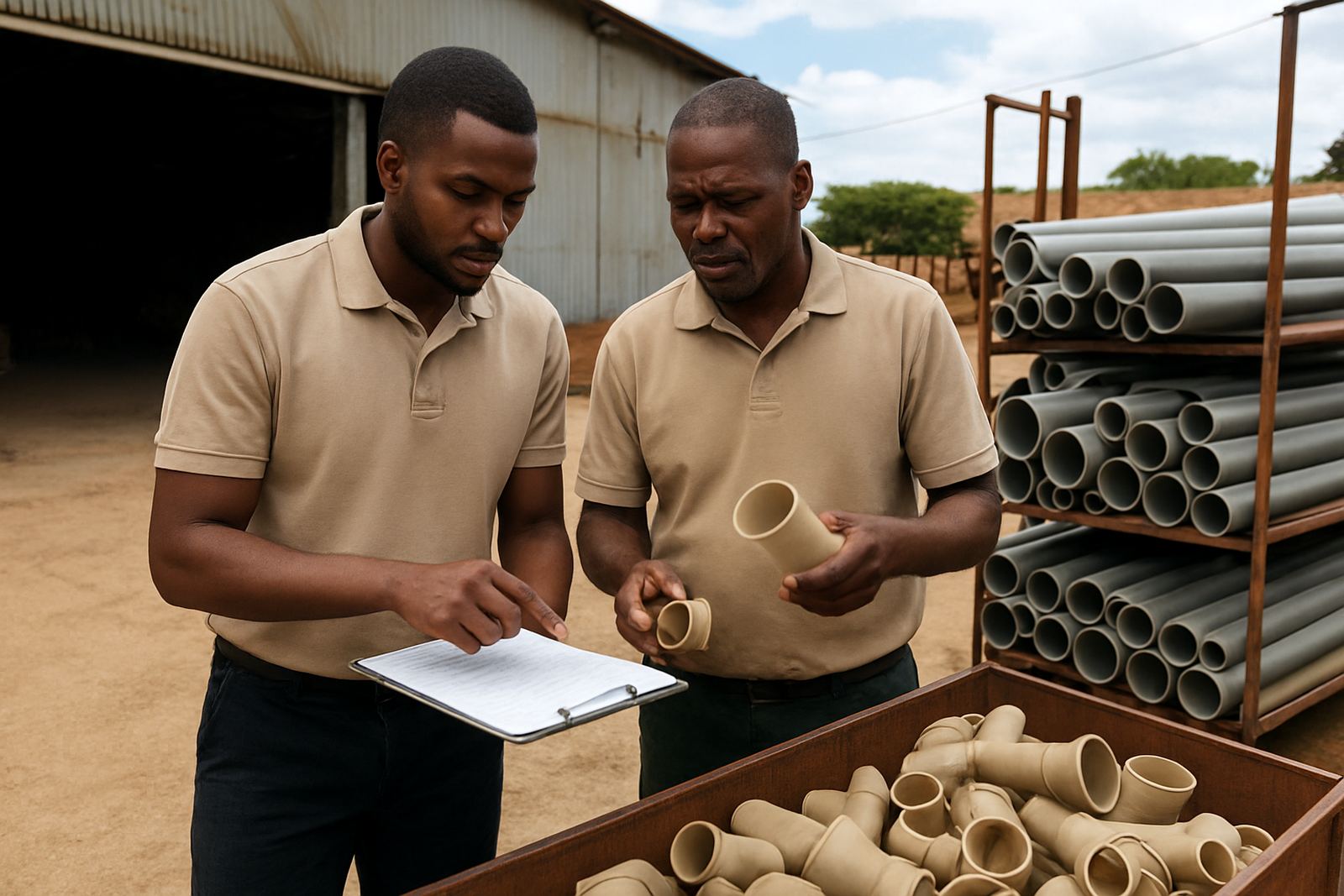
We work with common irrigation sizes from 20 mm and 25 mm through to 32 mm, 40 mm, 50 mm, 63 mm and larger mainline sizes where required. That includes plain sockets, tees, elbows, reducers, end caps, adaptors and couplers. If your job is in Ladanna, Polokwane, or on a farm route into Limpopo, we can help match the jointing method to the stock you have on hand.
- Pipe and fitting size matching
- Cutting and end prep guidance
- Solvent cement application method
- Cure time advice for warm or cool conditions
- Troubleshooting for leaks, loose fittings and poor bonds
Clean cutting and preparation before cementing
A good joint starts before the cement comes out. The pipe must be cut square, then cleaned and checked for burrs, oval ends or dirt. In dusty areas or when stock has been left on the bakkie, a quick wipe is not enough. The end should be dry, clean and fully free of sand, oil or moisture.
We usually advise a dry fit first, especially on long runs or where the pipe has to line up with valves and bends. If the pipe is forcing the fitting, the joint is under stress before it even cures. On warmer days in Limpopo, handle the pieces carefully as the solvent flashes off fast and you need the parts aligned properly the first time.
- Cut the pipe square with a suitable cutter or fine-tooth saw
- Remove burrs from inside and outside edges
- Mark insertion depth before applying cement
- Check that the fitting socket is clean and dry
- Keep cloths, caps and tools ready before opening the adhesive
Cementing method and insertion control
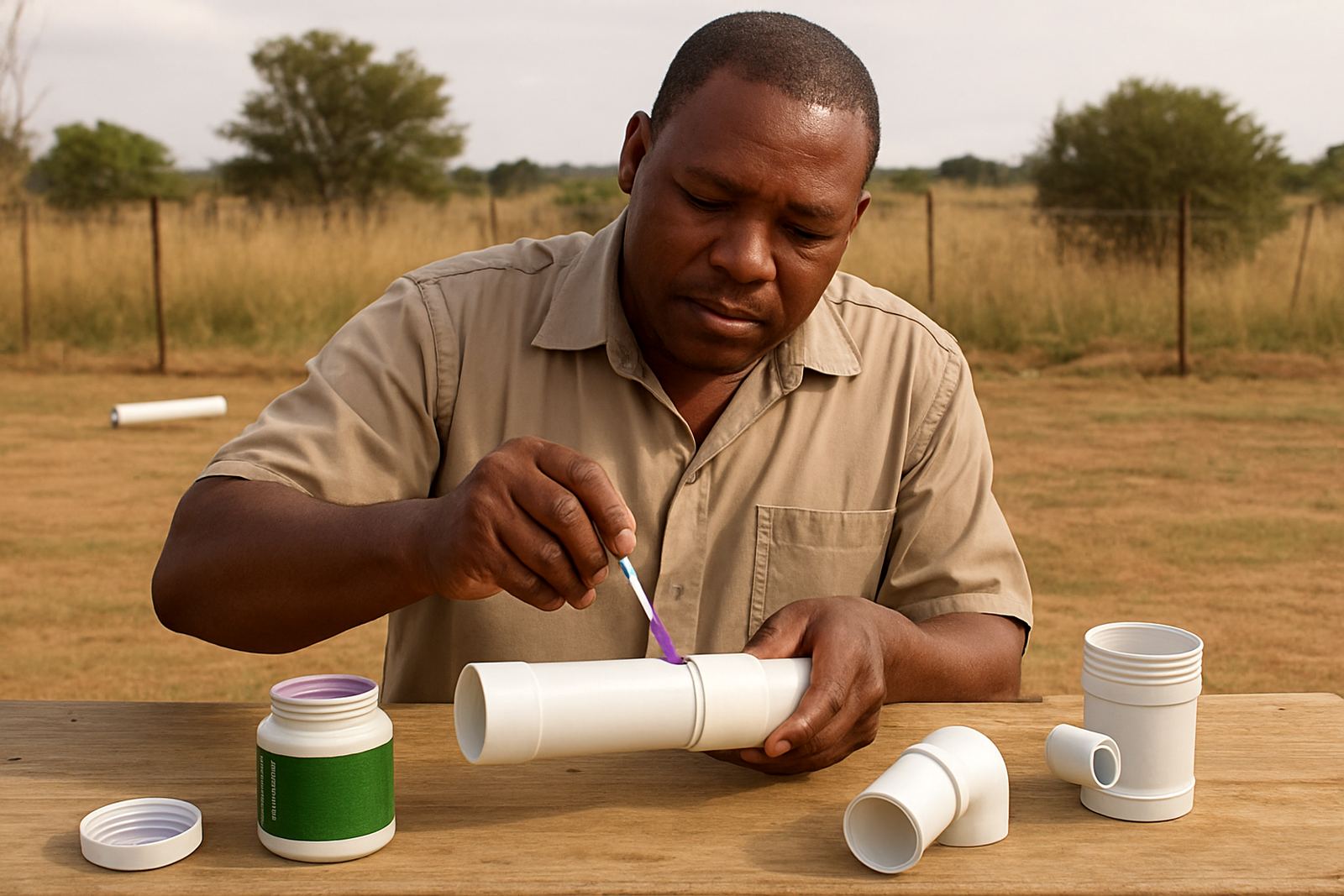
For solvent-weld joints, the cement must coat both surfaces evenly. A light, even layer is better than a heavy mess that skids out of the socket. The pipe and fitting should be pushed together in one smooth action, then held in place for a short period so the pipe does not creep back. That hold time matters on larger sizes and on vertical runs.
We also advise on correct brush size, application speed and how much cement to use for different diameters. On smaller fittings you need less, while larger joints need full coverage without puddling. If the work is being done near a pump room or in a coastal humid area the cure may feel different, but the same basics apply: clean, coat, insert, hold.
- Use the correct cement type for PVC irrigation fittings
- Apply to both pipe and socket where specified
- Insert fully to the mark without twisting too much
- Hold the joint steady for the recommended set period
- Wipe off excess cement only after the fit is secured
Cure times, pressure checks and site conditions
Cure time depends on pipe size, temperature, humidity and line pressure. In hot weather joints can set quickly on the outside but still need time inside. In cooler mornings or after rain, allow more time before filling the line. We help you decide when to test, when to backfill and when to bring the system under pressure.
As a general working guide, smaller irrigation joints may be ready sooner than larger mainline joints, but we always recommend a proper wait before full pressure is applied. For systems that run on pumps, especially where pressure spikes can happen, a rushed start can turn into a leak at the first fitting. Give it the time it needs, then test carefully.
- Light handling: after initial set
- Low-pressure test: once the joint has cured enough for site conditions
- Full operating pressure: only after full cure on the size used
- Backfilling: only when the line has passed a pressure check
Typical issues we help you avoid
Most joint failures come down to a few common mistakes. Dirty pipe ends, too much cement, not enough cement, movement before set, or using the wrong fitting size are the usual culprits. We help contractors and farmers spot the signs early so the repair is sorted before the line goes back into service.
We also talk through what to do when a joint has been glued and then disturbed, or when a fitting has been forced onto oval pipe. In some cases the right call is to cut out the section and redo it, rather than trying to patch a weak bond. That saves time later and avoids repeat callouts, which is important on busy farm schedules.
- Leaks at the socket from poor coverage or movement
- Cracked fittings from forcing misaligned pipe
- Softened joints from chemical contamination
- Weak joins where the pipe was wet or dirty
- Pressure loss after rushed commissioning
How we work, turnaround and pricing approach
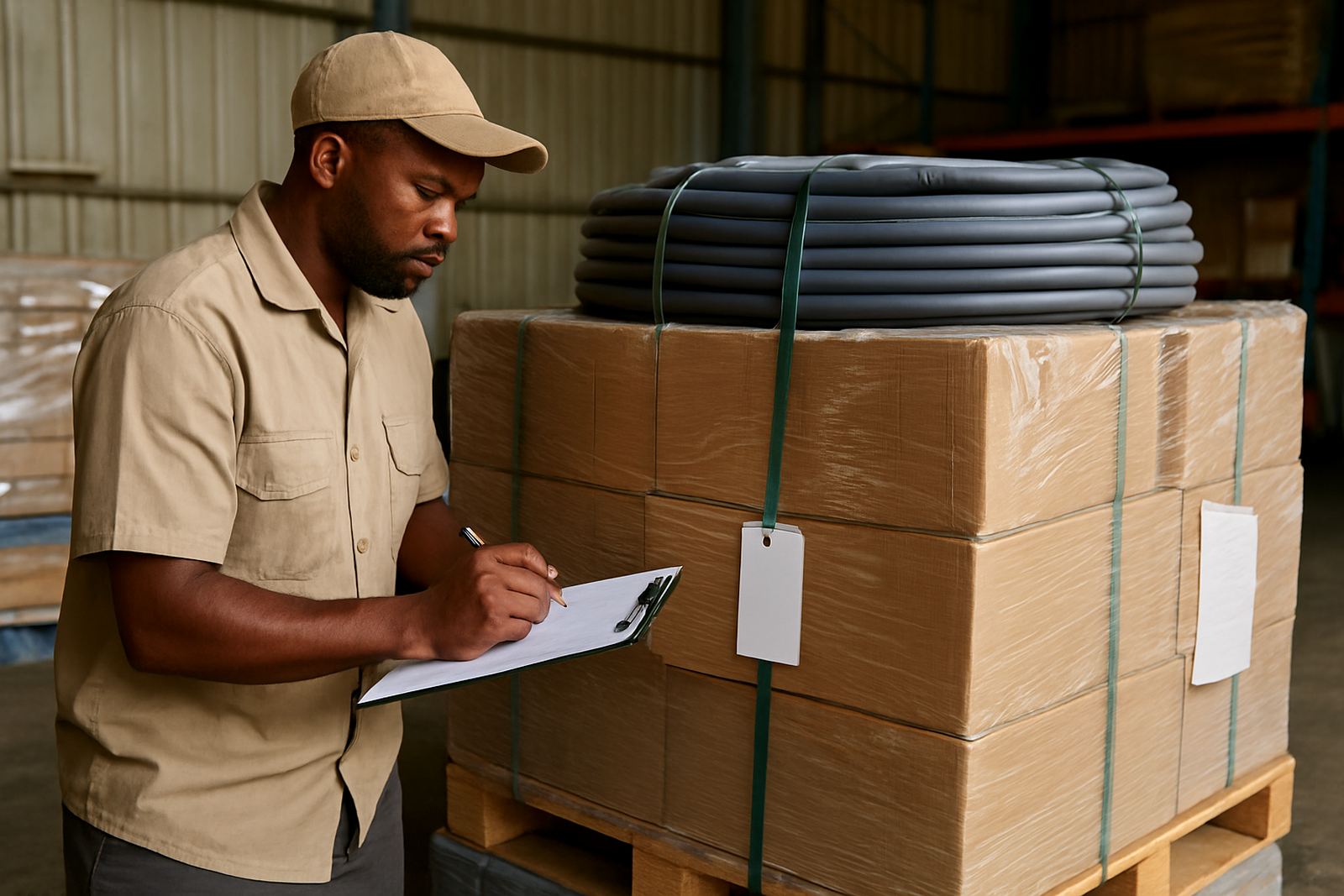
You contact us through the enquiry form on our contact page and tell us the pipe size, fitting type, job location and how urgent the work is. From there we guide the jointing method, recommend the right tools or fittings if needed, and help you plan the order. For larger farm jobs we can support quantity checks and repeat order planning so you do not run short halfway through the run.
Turnaround depends on the job and stock needed. Simple advice can be given quickly, while larger specifications may need a proper stock check and delivery plan from Ladanna, Polokwane or one of our regional routes. Our pricing approach is straightforward: advice is matched to the scope of the order, with tools, fittings and delivery quoted according to quantities and destination. No guesswork, just clear figures before the order is confirmed.
- Advice for single repairs and full irrigation lines
- Support for contractor accounts and bulk orders
- Stock reserving where parts are needed for a scheduled job
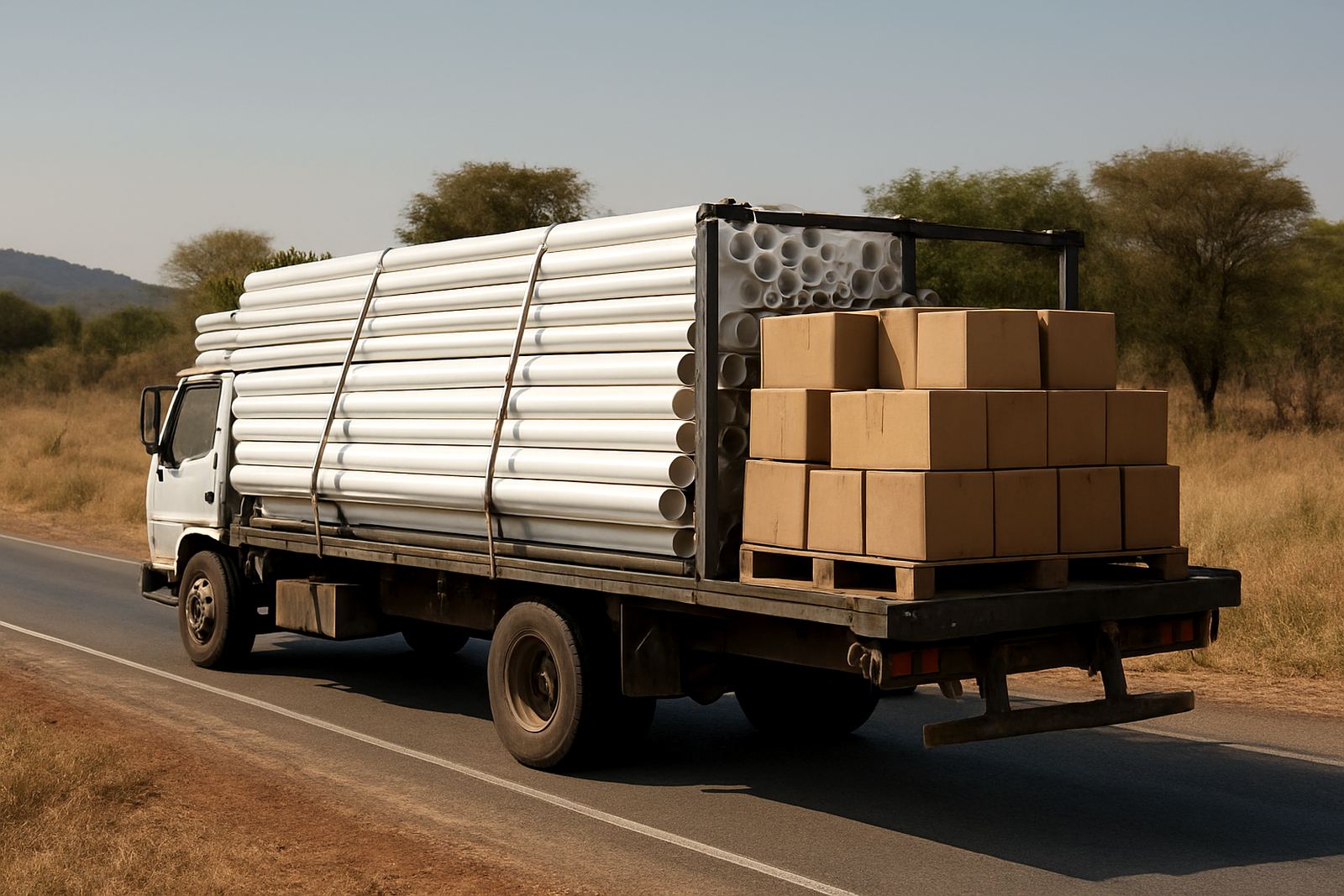
- Regional delivery across Limpopo and courier dispatch nationwide
Key facts
| Joint types covered | Solvent-weld PVC irrigation fittings, adapters, elbows, tees, reducers, couplers and end caps |
|---|---|
| Common sizes | 20 mm, 25 mm, 32 mm, 40 mm, 50 mm, 63 mm and larger mainline sizes |
| Preparation checks | Square cut, burr removal, dry fit, insertion depth mark and clean socket |
| Cure guidance | Adjusted for pipe diameter, ambient temperature, humidity and operating pressure |
| Suitable sites | Farms, landscaped areas, pump rooms, field lines and contractor installations |
| Service area | Ladanna, Polokwane, Limpopo routes and nationwide courier support |