Tunnel crop site in Tzaneen needed a harder-working distribution line
The client was a tunnel crop operator outside Tzaneen, working with protected vegetables under covered tunnels and relying on regular irrigation cycles to keep moisture levels even. The original distribution setup had a mix of worn fittings, a few makeshift repairs and joints that had started to show stress after years of UV exposure, heat and constant water movement. In a tunnel environment, even a small leak can turn into a bigger issue quickly because watering schedules are tight and labour is planned around every line.
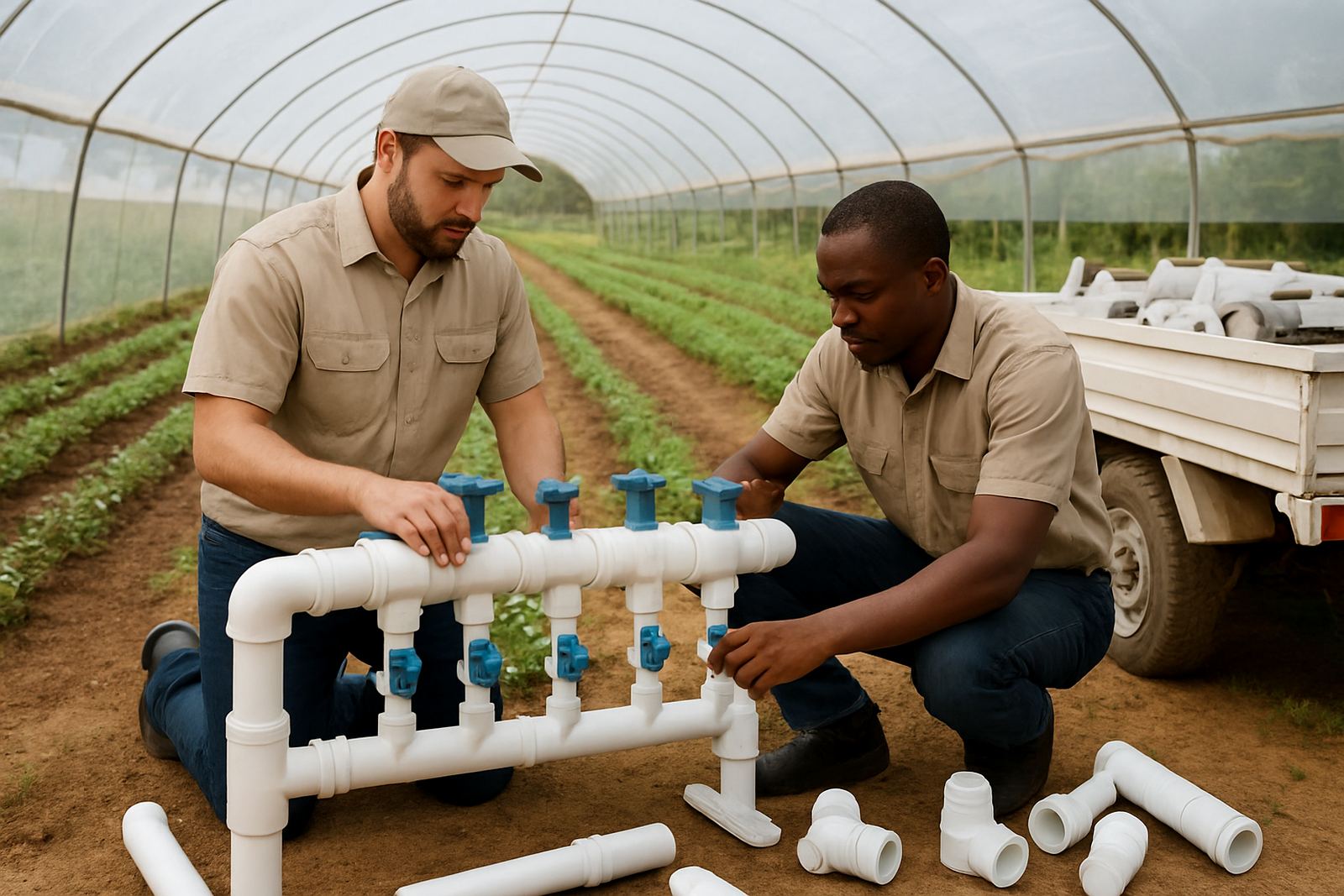
The brief was simple on paper but detailed in practice: tidy up the manifold area, replace failing solvent-weld connections, sort out pipe sections that had become brittle, and do it in a way that would not interrupt the whole site for too long. The client also wanted parts that could handle Limpopo heat by day and the usual dust and handling that comes with a working farm. They did not want overcomplicated changes, just a reliable system with neat joins and fewer call-backs.
What we checked before any fittings were supplied
We started with a parts check based on the pipe sizes already in use, the pressure pattern across the tunnels and the condition of the existing manifold runs. The site team needed solvent-weld fittings that would tie into the current layout rather than force a full redesign. That meant checking outside diameters, branch take-offs and where repairs could be done with short shut-downs, not a full day off watering.
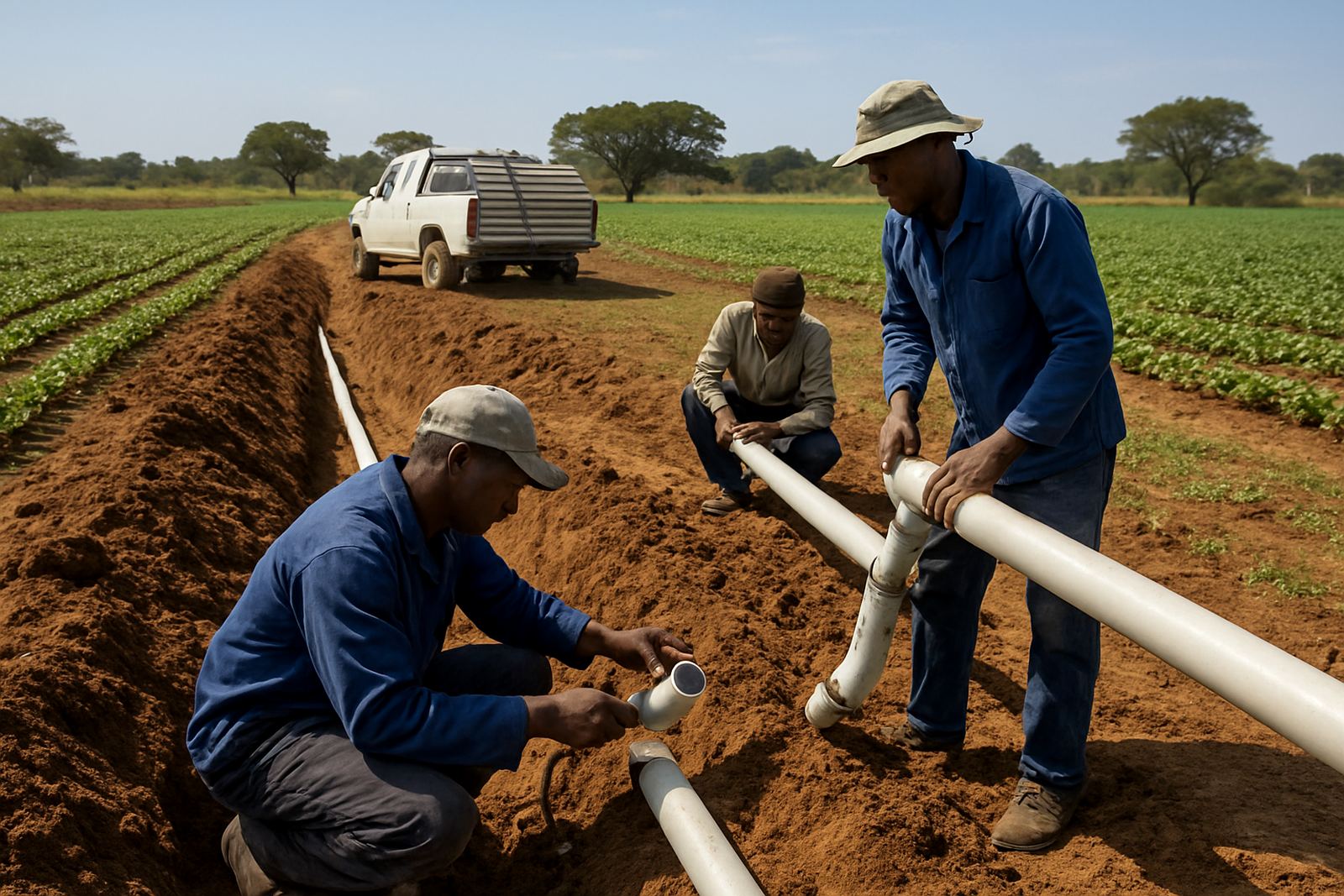
Because the site sits in a hot area with regular dust and periods of strong sun, we also looked at how the joints had aged. Some of the old fittings had gone dull and a few had tiny cracks around the bell ends. We advised on changing those sections before they failed. The client also asked about doing the work in a way that would make future maintenance easier, so we looked at access points and joint spacing. A little extra planning saved them time later, and it kept the work neat instead of patchy.
- Pipe compatibility checked against the existing tunnel lines
- Branch points mapped for the main manifold and repair sections
- High-wear fittings identified for replacement first
- Jointing sequence planned to reduce downtime during peak watering
Solvent-weld fittings and tools supplied for the repair job
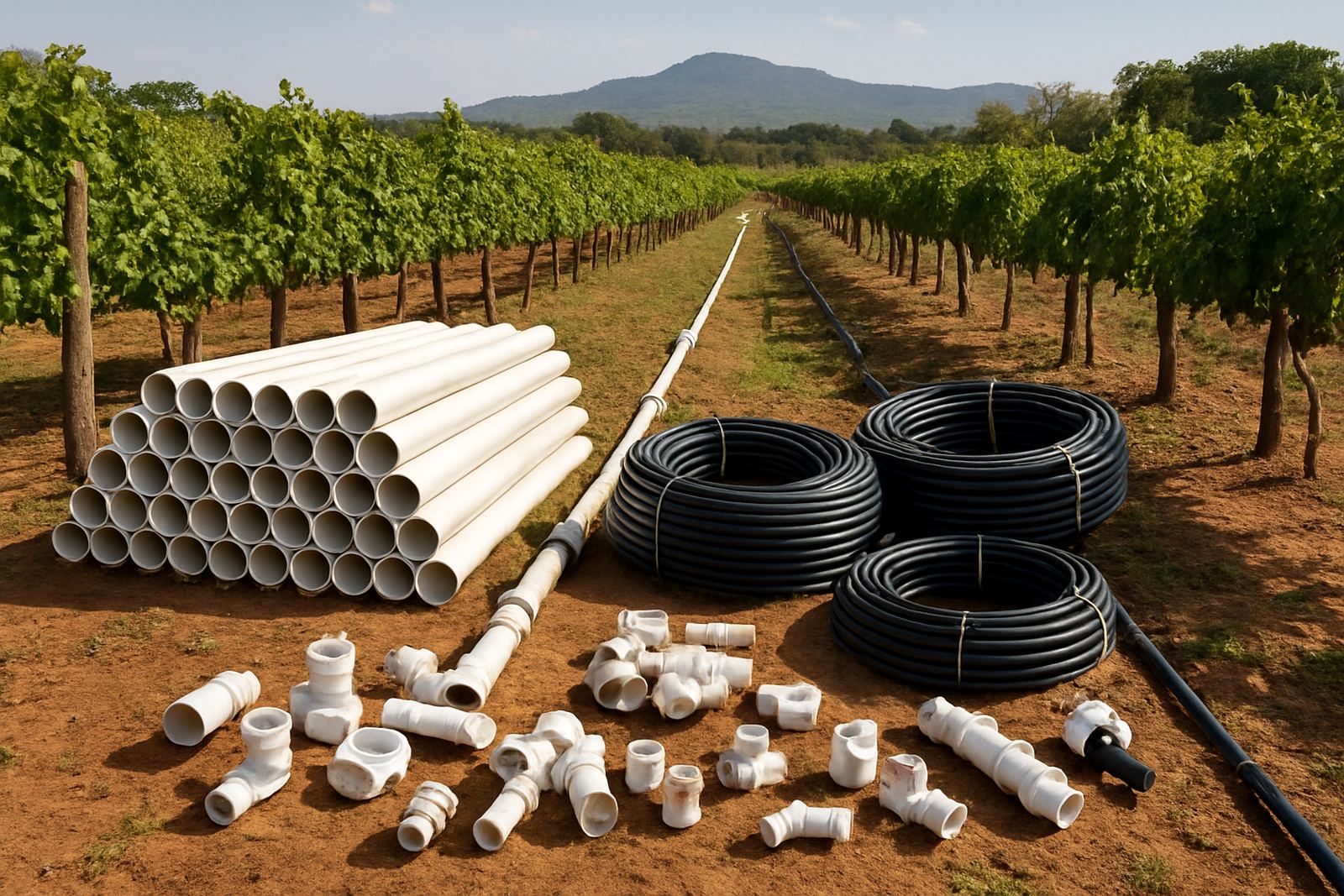
We supplied a practical mix of solvent-weld fittings and hand tools suited to irrigation work, not general plumbing. The order included tees, elbows, couplers, reducers and end pieces in the sizes needed for the site. We also included items for cutting, cleaning and joint preparation so the crew could work cleanly and keep the bond surfaces ready. In a tunnel setting, good prep matters because water pressure and movement from maintenance traffic will expose any sloppy join.
The repairs were not limited to one line. We helped the client group the work into sections so the most critical water paths could be restored first. That included the main feed, the manifold branches and a few localised fixes on lines that had been patched before. Stock was reserved before dispatch, then trucked into Limpopo from our Ladanna base. A follow-up courier supply was arranged for smaller parts that were needed after the first phase, which saved the client from waiting on a second full delivery. There was one point where a branch size needed to be confirmed again on site, and that quick check prevented a wrong fitting from going out.
- Solvent-weld tees, elbows, couplers and reducers
- Repair lengths for damaged sections on the distribution line
- Cutting and joint-prep tools for clean site work
- Reserved stock for follow-up repairs and small top-up orders
Two-week rollout with staged repairs and local delivery
The job ran over two weeks. During week one, we confirmed the sizes, reserved stock and sent the first load to Tzaneen so the team could begin stripping out the failing sections. Week two covered the installation of the new solvent-weld manifold parts, pressure checks and the remaining repairs where older joints were showing fatigue. Because the work was staged, the site never had to shut down every tunnel at once.
Our logistics team handled the regional delivery and kept the client updated on what was on the truck and what was still being held for the next run. For a farm that depends on timing, that kind of coordination is just as important as the fittings themselves. The site crew could plan labour around the delivery rather than waiting around. That made the process smoother and it cut down on wasted hours, which matters when tunnels are being watered on schedule and the weather wont wait for you.
Results after the upgrade and repair work
Once the repaired lines were running again, the client had cleaner distribution, fewer seep points and better consistency across the tunnel blocks. The manifold area was neater, the joins were properly aligned and the farm team had fewer small fixes to manage each morning. The biggest gain was reliability. When irrigation lines are sound, water is delivered where it is meant to go and staff can focus on crop work instead of chasing leaks.
The client also reported easier maintenance because the layout now follows a clearer pattern. That means when a section needs attention, it can be isolated with less fuss. For tunnel crop systems in Tzaneen, where heat and moisture can work against fittings over time, that is a practical win. We would expect the same approach to work well on other protected crop sites in the area, especially where old joints have already been patched more than once.
- More even water delivery across the tunnel blocks
- Reduced leakage at old joint points
- Cleaner manifold layout for future maintenance
- Less downtime during irrigation shifts
What we would do again on a similar Tzaneen site
If we were asked to do this type of job again, we would follow the same order of work: measure properly, reserve the correct sizes, stage the repair in sections and keep the client updated as the job moves. That approach suits farms because it respects the watering schedule and does not create unnecessary delays. It also helps when there are a few unknowns in the existing installation, which is common on older sites.
We would also keep the same focus on joint prep and on matching the fittings to the actual site conditions. In hot areas, poor prep shows up fast. A neat solvent weld, done with the right parts and enough time for curing, gives a better result than rushing. For tunnel growers around Tzaneen and the wider Limpopo area, that kind of practical support is often the difference between a short repair and a repeat problem. Our team can assist with product selection, stock reserving and repeat order support through the enquiry form on our contact page.
Key facts
| Project type | Tunnel crop irrigation distribution upgrade and repair |
|---|---|
| Location | Tzaneen, Limpopo |
| Scope | Solvent-weld manifolds, fittings replacement and line repairs |
| Timeline | 2 weeks |
| Supply method | Stock reserved in Ladanna, delivered to site in stages |
| System focus | Reliable irrigation distribution for protected crop tunnels |