
Nursery brief from Hoedspruit
The client was a plant nursery just outside Hoedspruit that had outgrown its original watering setup. As the shade houses, propagation benches and holding areas expanded, the old arrangement started to waste water and made it hard to keep each zone on the same schedule. Some lines were overfed while others ran weak, and the team wanted a neater layout that could be checked and adjusted quickly before the morning shift. In Limpopo heat, that matters because a missed watering cycle can show up fast by midday.
The brief was practical: reorganise the water feed so each growing section could be isolated, cleaned or adjusted without shutting down the whole nursery. They also wanted parts that could handle outdoor use, fertiliser residue and the kind of daily handling that comes with nursery work. No special display items, just fittings and tools that would hold together under pressure and keep the water moving where it should.
What made the site tricky
The biggest challenge was not the pipework itself, it was the way the nursery had grown in stages. Different sections had been added over time, so the existing lines did not all run in one straight pattern. Some areas had low spots where dirt collected, and a few joins had been repaired more than once. The team also needed a setup that would remain easy to service during load-shedding, because pump timing had to be planned around power interruptions and generator use.
There was also the usual outdoor exposure to deal with. Hoedspruit gets strong sun, dust and seasonal humidity, so the refit needed fittings that would not become brittle or loosen quickly. Water quality was another factor, with fine particles that can clog lines and emitters if there is no proper straining point. The nursery wanted less down time and fewer call-backs, which is fair enough when the same staff have to keep the plants moving and the orders going out.
- Mixed pipe runs that had been extended in stages
- Water pressure differences between growing zones
- Fine debris in the water feed
- Need for simple isolation during cleaning and repairs
- Outdoor exposure to heat, dust and moisture
Parts supplied for the refit
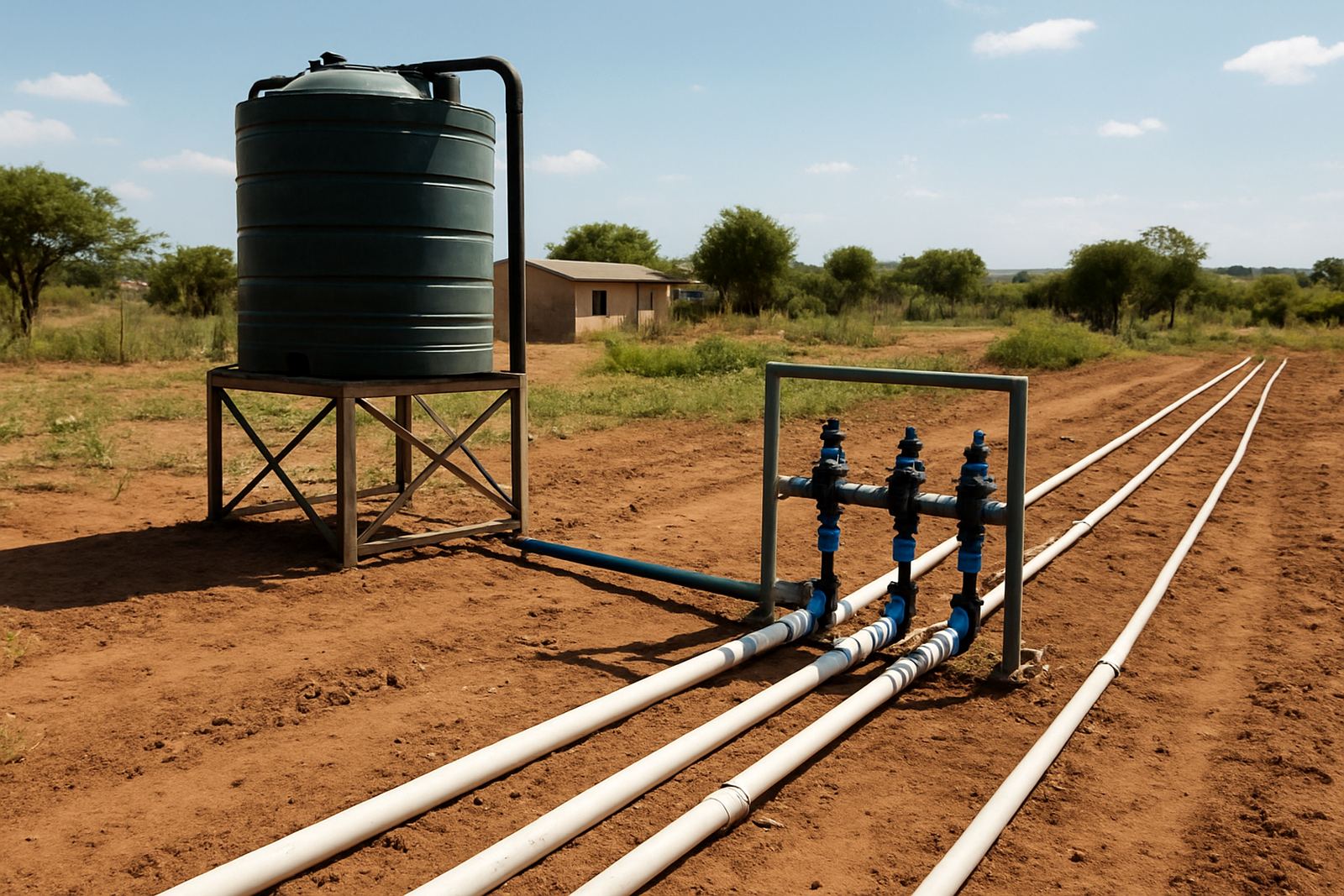
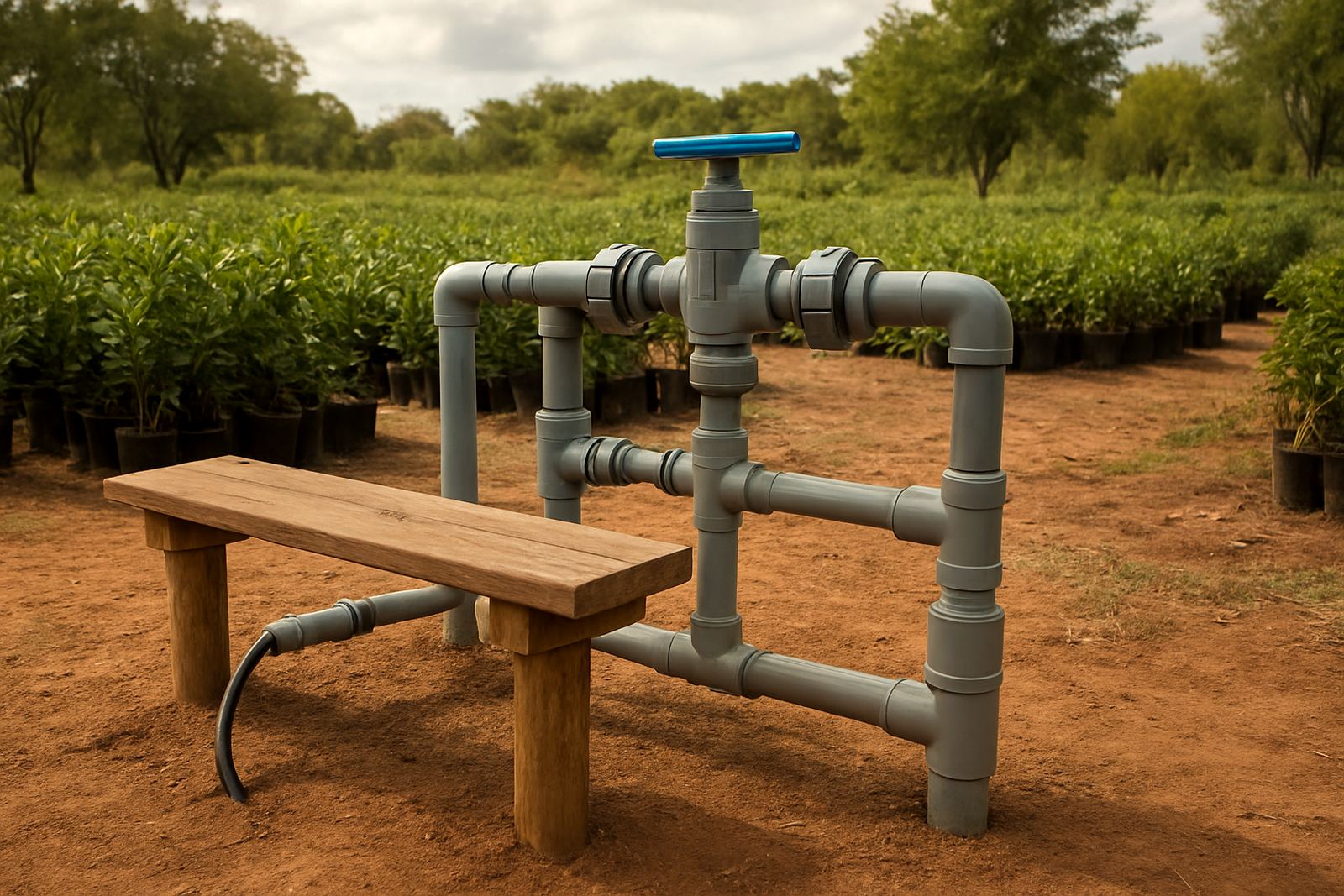
We supplied a mix of solvent-weld fittings and irrigation support parts suited to the pipe sizes already on site. The core supply included manifold sets for splitting the main feed into separate zones, line strainers to catch debris before it entered the smaller lines, and assorted elbows, tees, couplers and reducers to tidy up the layout. Where joins needed a proper service point, we added connectors that made maintenance easier without having to cut pipe each time.
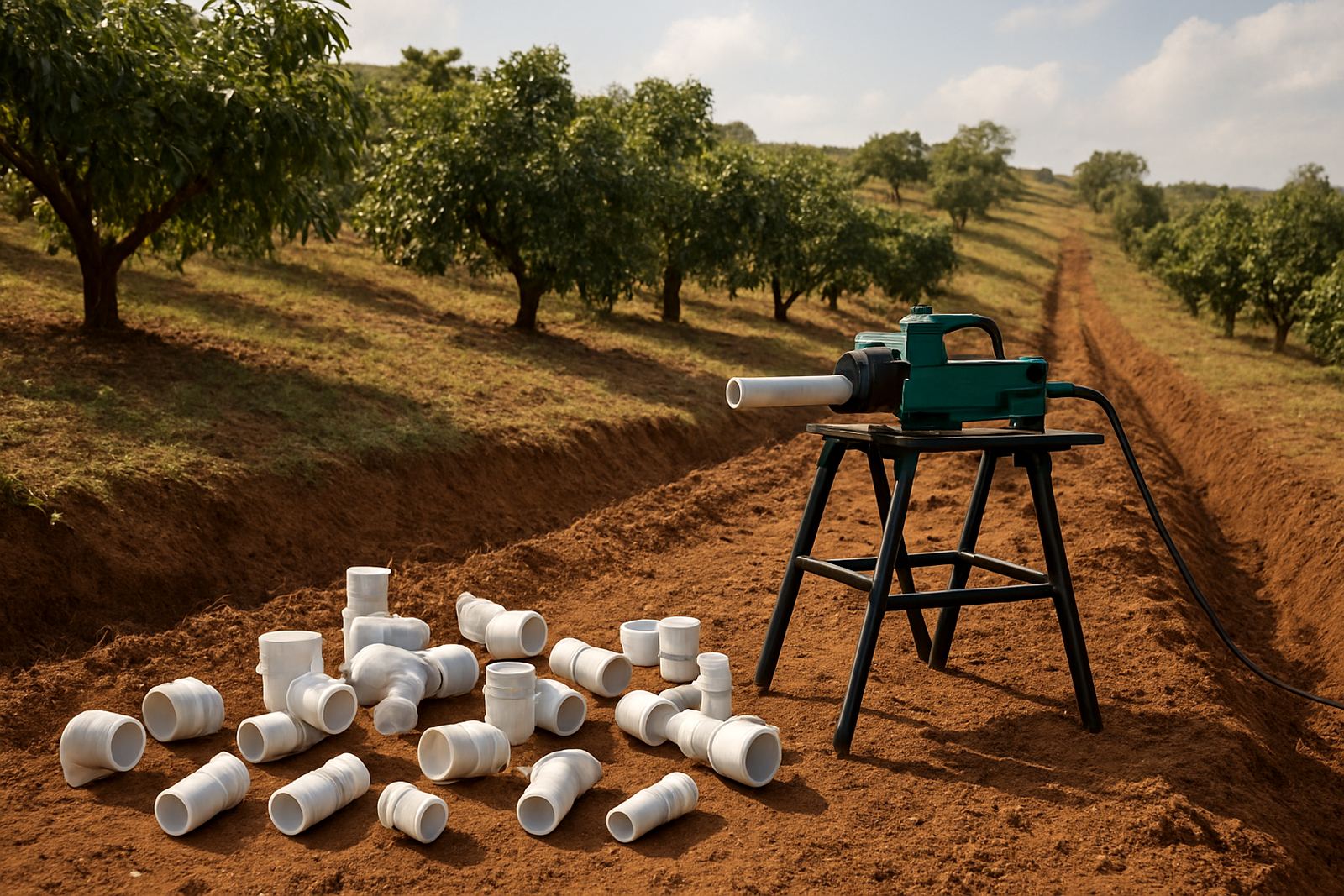
The line strainers were chosen for easy cleaning and for use in a setup that gets regular water movement rather than long idle periods. The manifold sets were matched to the nursery's zone count so each section could be controlled with less fuss. We also supplied the hand tools and jointing support items needed for clean solvent-weld installation, because a neat fit and correct cure time make a big difference on a system that will be opened, flushed and reset more than once. Thabo checked the fittings against the existing line sizes so there were no mismatched parts sitting on the vehicle.
- Manifold sets for multi-zone water distribution
- Line strainers for debris control
- Solvent-weld elbows, tees, couplers and reducers
- Service-friendly connectors for future maintenance
- Jointing tools and installation support items
Install support and matching advice
The nursery team wanted more than a supply drop, so we spent time on product selection and system matching before the order was released. That meant confirming pipe diameters, checking the likely pressure range and making sure the manifold arrangement would suit the way the nursery water runs were divided. Annelie handled the sales side and Lerato kept the order details tidy, while Mpho and Thabo worked through the technical questions. That saved time later because the staff on site could start from the right part sizes rather than making trial-and-error changes.
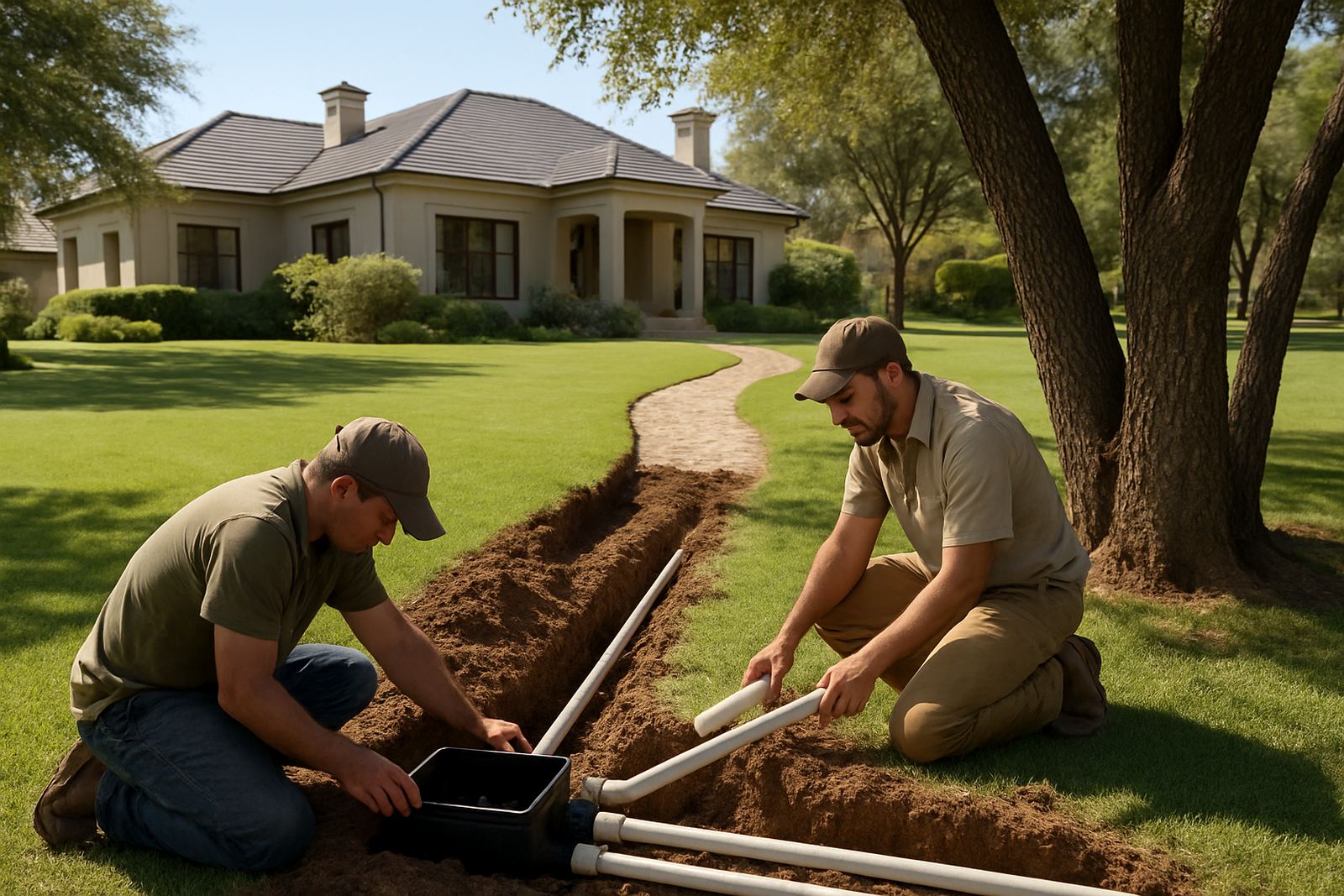
We also gave jointing advice for the install sequence. In a nursery setting, it helps to build the main runs first, then set the strainers and manifold points before tying in the smaller lines. That order keeps the layout cleaner and makes flushing easier. The client was also advised to reserve a few spare fittings for future repairs, because once a nursery starts expanding it is better to have matching parts on hand than to pause production for one missing reducer. Small thing, but it saves a lot of admin later.
Timeline and delivery into the Lowveld
The work ran over two weeks from first enquiry to supply completion. In week one, we confirmed the layout, matched the fittings and set aside the stock. In week two, the nursery order was packed and sent on a coordinated delivery run to Hoedspruit, with the heaviest items secured for transport and the smaller fittings packed by size for easier checking on arrival. Johan handled the logistics side so the nursery could receive the parts in one lot rather than several small drops.
Because this was a working nursery, timing had to fit around watering windows and staff availability. The order was prepared so the team could start installation early in the day and avoid losing time to the heat. When the parts arrived, the client was able to sort the zones, begin the main tie-ins and schedule the finer adjustments without holding up the whole operation. That kind of planning matters more than people think when the farm or nursery is already busy.
- Week 1: site brief, size checks and stock confirmation
- Week 2: packing, dispatch and delivery to Hoedspruit
- Installation support given alongside the supply
- Spare parts reserved for future maintenance
Results and what we would repeat
The nursery ended up with a cleaner zone layout, easier shut-off points and better flow control across the main growing areas. The line strainers reduced the chance of debris reaching the smaller lines, and the manifold sets made it simpler for the team to isolate one section without disturbing the rest. That gave the staff more control during daily watering and made cleaning work less disruptive. It also reduced the amount of time spent tracing leaks and undoing old, awkward joins.
If we were repeating this project tomorrow, we would do the same thing again: check the actual pipe sizes first, map the watering zones before choosing fittings, and keep a few spare pieces aside for later servicing. For a nursery in the Lowveld, that approach gives better day-to-day control and less stress when the pumps are running, especially during hot spells or power cuts. The end result was not flashy, just practical and dependable, which is what the site needed.
Key facts
| Project type | Nursery irrigation refit |
|---|---|
| Location | Hoedspruit, Limpopo |
| Timeline | 2 weeks |
| Main supply | Manifold sets and line strainers |
| Fitting type | PVC solvent-weld irrigation fittings |
| Support provided | Product selection, system matching and installation advice |