What System Matching Covers On An Irrigation Line
System matching starts with the working details of the line, not just the list of parts. We look at pipe diameter, pressure rating, fitting type, layout length, elevation change, valve positions and the number of outlets or zones on the run. That helps avoid lines that choke flow, fittings that do not seat properly, or joints that are forced to carry more pressure than they should. In Limpopo heat, and on exposed farms, a line that is matched properly also handles daily expansion better than a quick mix of sizes.
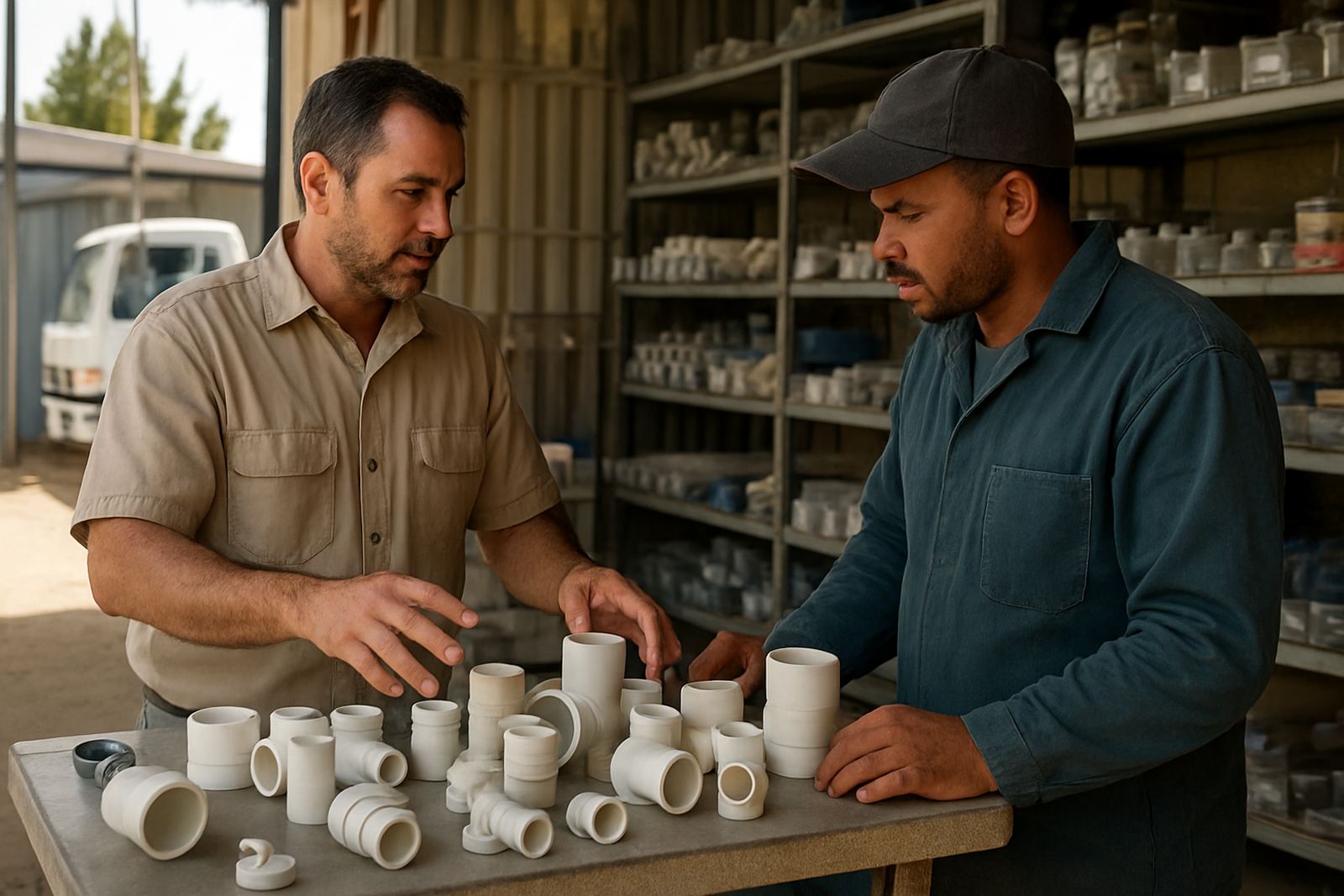
We guide customers on solvent-weld PVC fittings for irrigation systems, including couplings, elbows, tees, reducers, end caps, valves and adaptors. Where needed, we also help with tools for cutting, cleaning and jointing. The aim is simple: fewer leaks, better water delivery, and a system that can be maintained without constant patching.
- Pipe and fitting size alignment
- Pressure and flow checks by section
- Zone and branch line matching
- Jointing and assembly guidance
How We Match Components Before You Place The Order
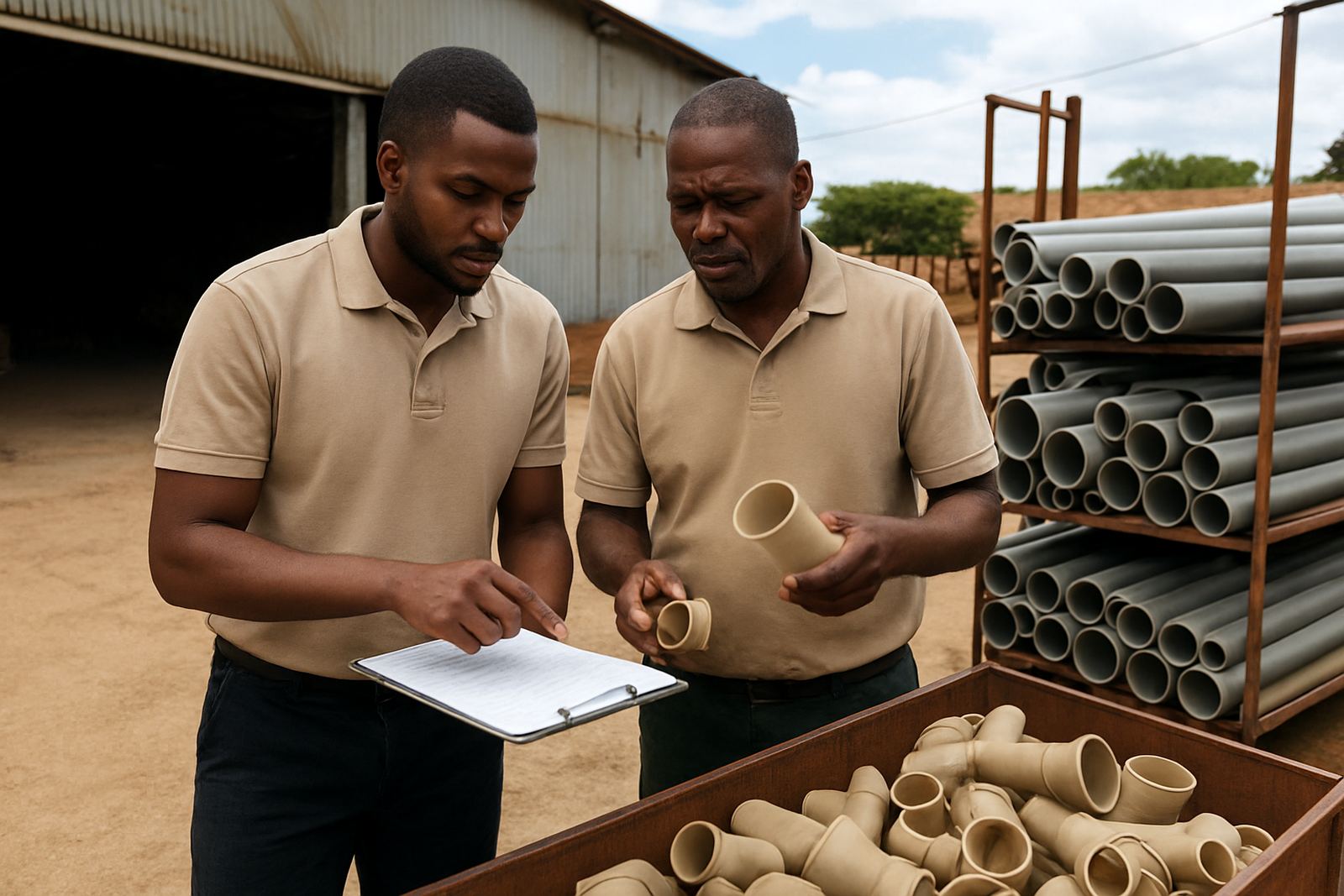
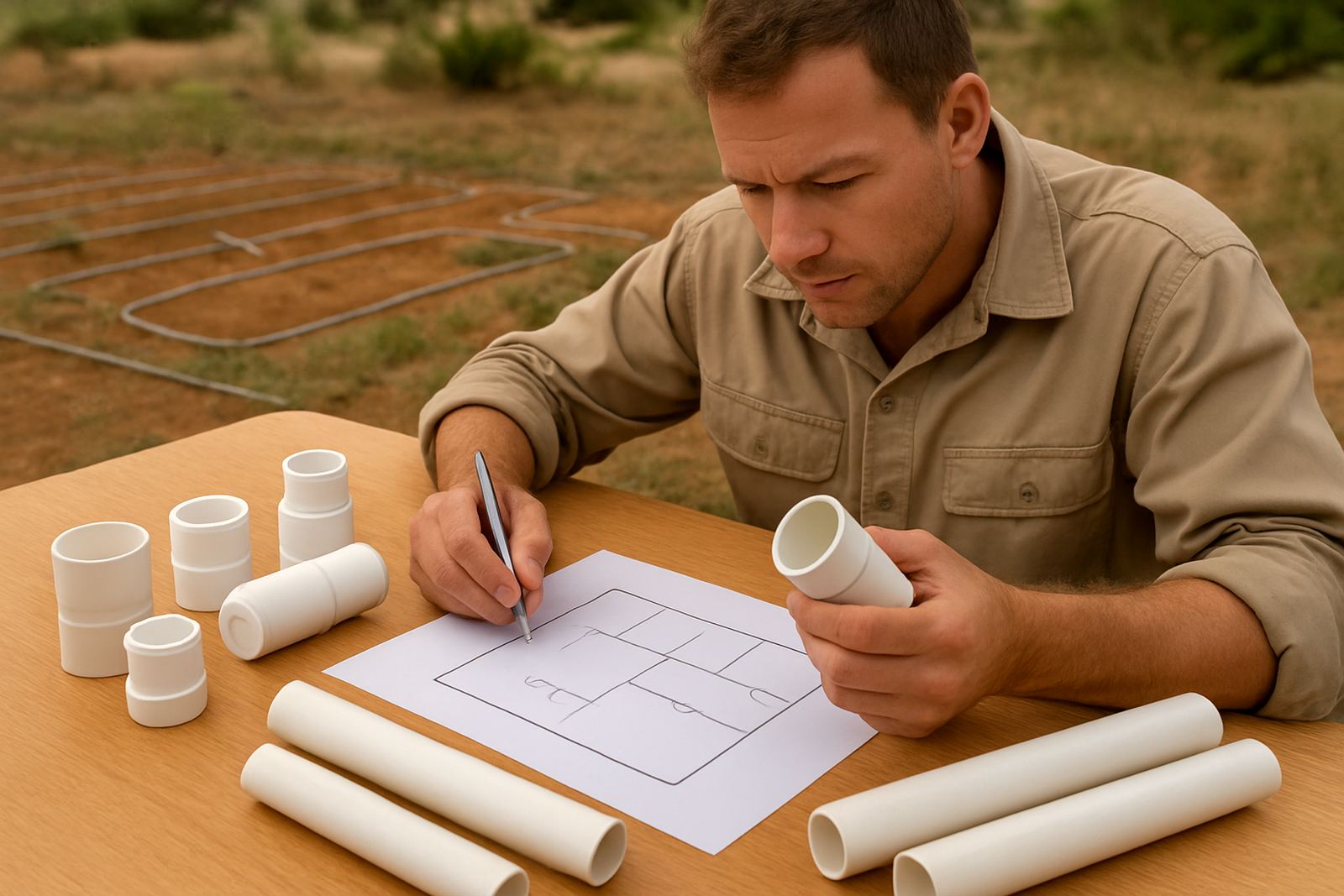
Most jobs begin with a basic layout or a list of materials from site. If you have a plan, we work from that. If you only have measurements, we can still help by checking the main line length, the number of take-offs, the type of water source and the intended application. For farm irrigation, that may include centre pivot feeds, orchard blocks, tunnel lines or row irrigation. For landscaping, it may be a garden main line, sub-main or drip feed section.
We check whether the same line must carry water across flat ground or over an uneven stretch, because that changes the fittings and pressure class needed. If a contractor is working to a schedule, we can also help with quantity checks so the order lands complete the first time, which saves time on site. Small errors like a wrong reducer or a missing adaptor can hold up a whole day, so we make those checks early.
- Review of measurements and pressure needs
- Check of inlet, branch and outlet sizes
- Advice on suitable jointing method
- Quantity checks before stock is reserved
What You Can Expect From The Process
The process is straightforward and built for practical use. First, you send through your enquiry with the system details and what you want to achieve. Next, we compare the line size, fitting type and pressure needs, then advise on what to use and what to avoid. If the job needs staged supply, we can also split the order by section so the main line and branch lines are handled in the right order.
Where there are repeat builds, we keep the component pattern consistent for easier reordering later. That is useful for farms expanding in phases, or contractors handling several sites with the same pipe sizes. Mpho Sekgobela and the team work from the Ladanna base in Polokwane, with support from the sales, logistics and technical side so the advice is practical and not guesswork.
- Step 1: Send the enquiry form details
- Step 2: Component and size review
- Step 3: Stock check and reservation if needed
- Step 4: Delivery or courier dispatch arranged
Turnaround Times For Polokwane, Limpopo And Further Out
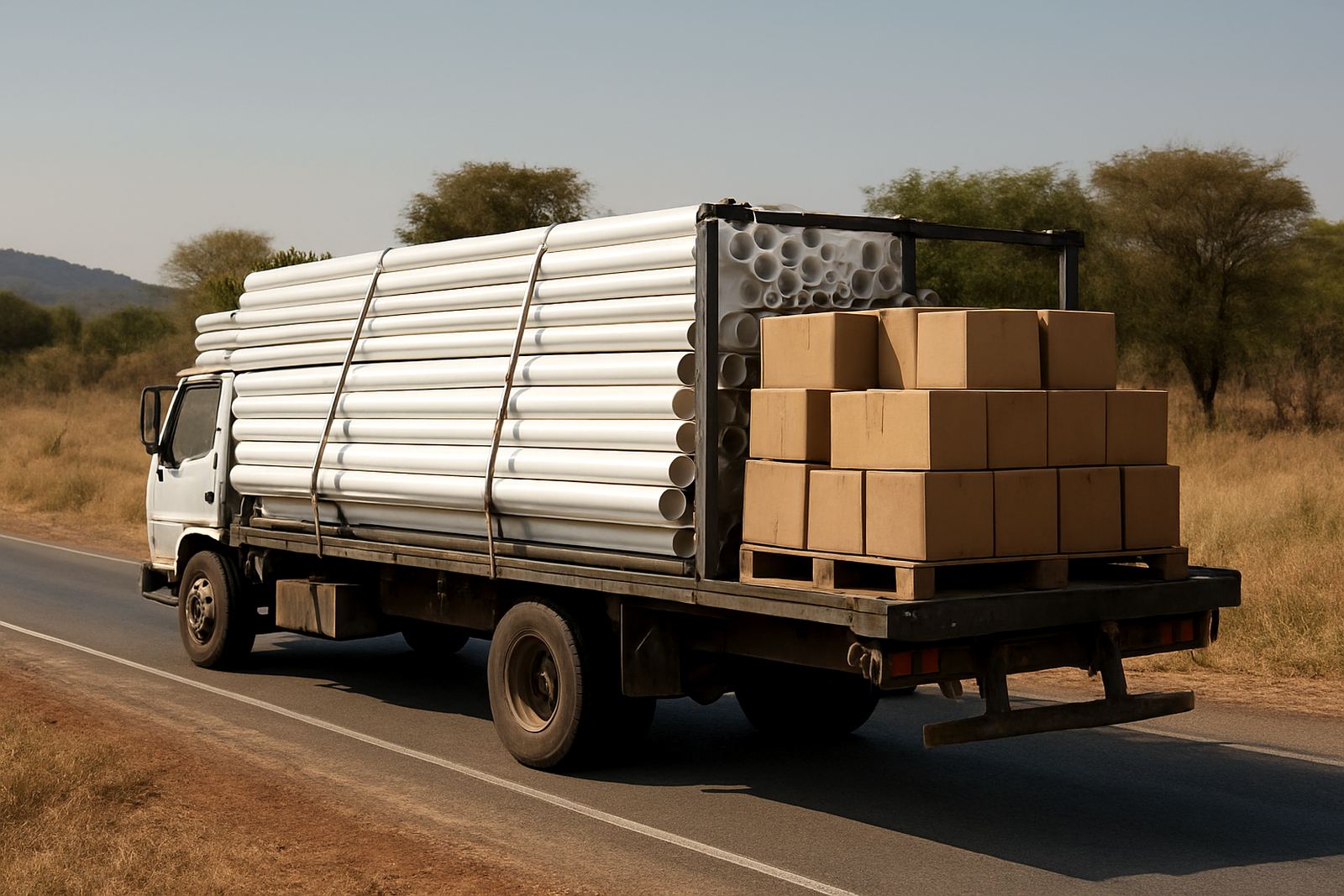
Turnaround depends on the size of the order and where it needs to go. For customers in and around Polokwane, we aim to move quickly once the component list is confirmed and stock is available. Orders going to Mokopane, Tzaneen, Hoedspruit, Lephalale or Thohoyandou are planned around the next suitable delivery run, while nationwide orders are prepared for courier collection after confirmation.
Urgent contractor orders are handled with stock awareness in mind, especially where a site cannot wait for another trip. If a project is working around load-shedding windows, we can help plan so the correct fittings and tools are ready before the crew starts. It saves stoppage time, and that matters when labour and water schedules are both tight.
For many standard matching requests, feedback can be given the same day during working hours once the measurements are clear. Larger or more technical layouts may need a bit more checking, especially where different pipe classes are used on one site.
Pricing Approach For Advice, Stock And Dispatch
System matching itself is priced around the size of the request and the amount of technical checking needed. Simple component matching for a short line is handled differently from a full farm order with several zones and mixed fittings. We keep pricing practical and tied to what is actually required, rather than adding charge for every small step.
Where stock needs to be set aside, reserved for a contractor account or packed for delivery, those details are explained clearly before the order goes out. Courier costs and regional delivery costs depend on the destination, parcel size and order weight. If you are comparing options for a larger irrigation job, we can also help plan quantities so you do not over-order or end up short on a critical fitting.
- Advice based on the job size and complexity
- Stock reservation where needed
- Courier or regional delivery cost quoted separately
- Repeat order support for ongoing projects
Maintenance Checks That Keep The System In Shape
A matched system still needs regular checks, especially in areas with dust, heat, coastal humidity or heavy seasonal use. We suggest checking the main joints, end caps, valves and reducers at the start of each season and again after any pressure change, pump change or line extension. On farm lines, it is also wise to inspect after repairs or where machinery may have disturbed the pipework.
For most irrigation setups, a visual inspection every 3 to 6 months is sensible, with quicker checks after storms or major shutoffs. Look for soft joints, stress marks, leaks and fittings that have moved out of line. If a section is being extended, match the new parts to the existing pressure class and diameter rather than forcing a size change into the run. That keeps the line working as one system instead of a mix of weak points.
We also assist with troubleshooting help when a line is not drawing evenly, a joint keeps weeping, or a section is losing pressure. Often the issue is not the pump, but the way the components were sized together in the first place.
Key facts
| Service area | Ladanna Base, Polokwane Supply Area, Limpopo routes and nationwide couriers |
|---|---|
| Core focus | System matching for PVC solvent-weld irrigation components |
| Typical pipe sizes | 20 mm, 25 mm, 32 mm, 40 mm, 50 mm and larger irrigation runs |
| Pressure guidance | Matched to line class, elevation and flow demand |
| Turnaround | Same day where details and stock are clear, otherwise by delivery run |
| Support | Selection advice, quantity checks, jointing guidance and troubleshooting help |