
Practical counting for real irrigation jobs
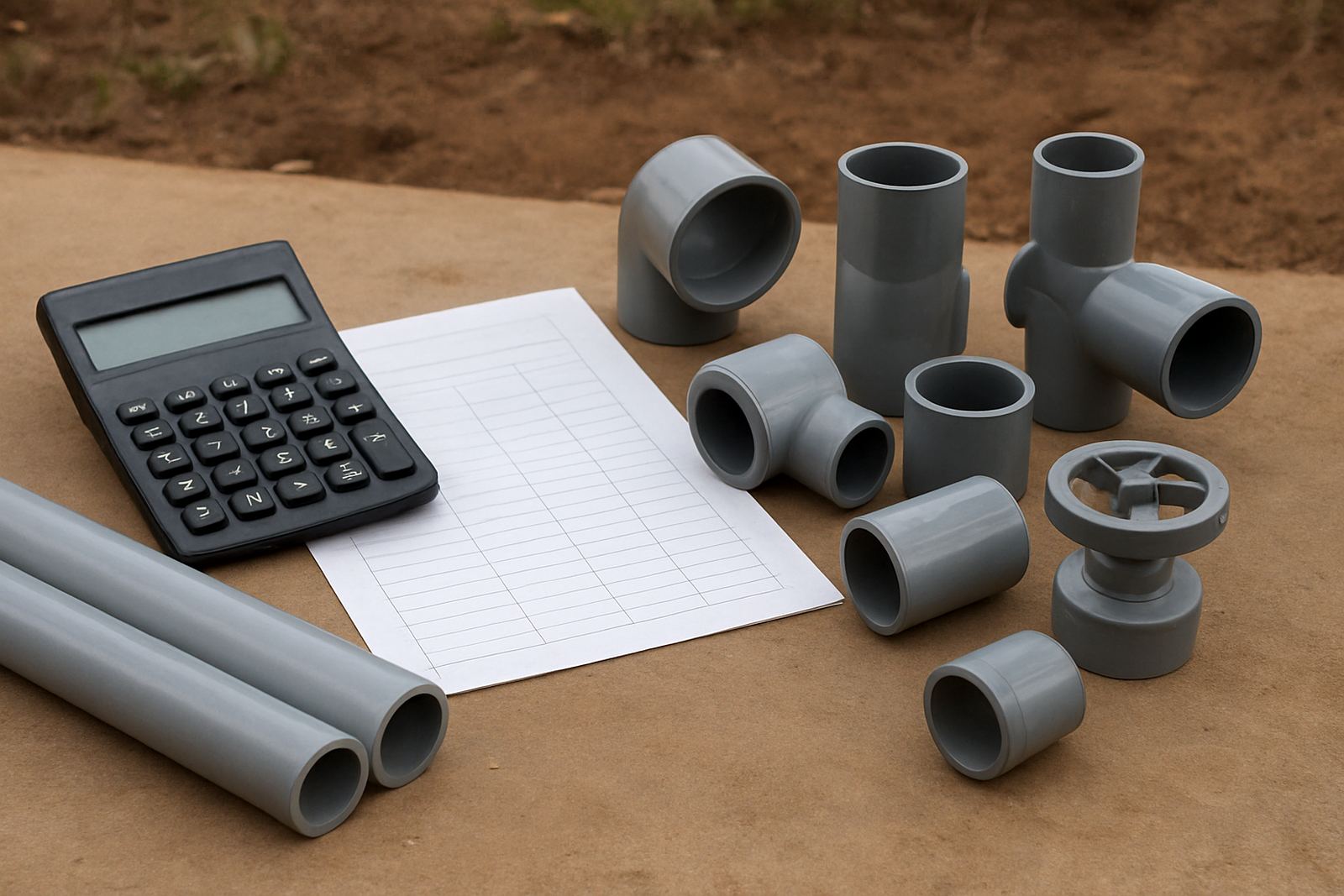
Our quantity checks are built for the way irrigation is actually installed on farms, estates, parks and home plots across Limpopo and beyond. We look at the pipe sizes, line lengths, valve positions and join points, then estimate the fittings you are likely to need for a standard solvent-weld assembly. That includes elbows, tees, reducers, couplers, end caps, sockets and selected transition items, all based on the layout you are working with.
The aim is not to overcomplicate the order. It is to help you avoid short counts that stop a crew mid-run, or over-ordering parts that sit in a store room. For contractors and farmers, that means fewer repeat trips and fewer delays when the trench is already open. For landscapers, it means neater planning around beds, zones and pump connections. We also check whether the fittings match the pipe class and diameter, because a 20 mm line and a 50 mm main line do not call for the same stock mix.
- Core fitting counts for standard irrigation assemblies
- Pipe size matching from small lateral runs to larger mains
- Allowances for valves, bends, tees and end closures
- Checks for solvent-weld compatibility and assembly use
What is included in the quantity check
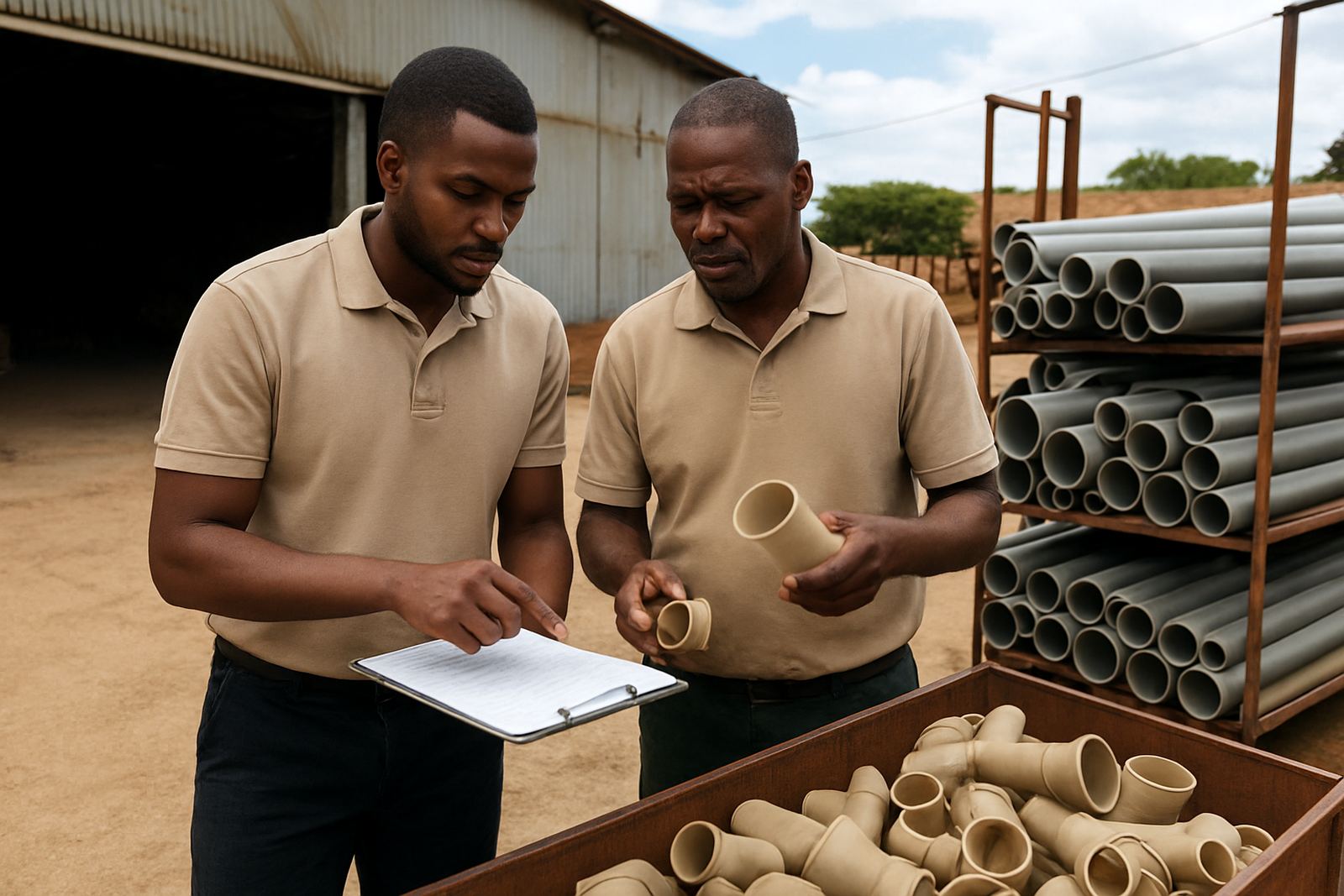
Each quantity check starts with the information you have on hand, whether that is a sketch, a materials list, a site note or a quick explanation of the system. We then help translate that into a practical order list. Where useful, we separate mainline items from branchline items, and we can also split counts by zone, block or paddock so the order makes sense when stock is being received on site.
We can help with standard irrigation assemblies such as riser connections, header runs, line extensions, valve tie-ins and repair sections. If your order needs jointing accessories, cleaning materials or tools used during solvent-weld work, we can include those too. This makes it easier to prepare a full job pack before the crew leaves Polokwane, or before a courier parcel is booked for another province. In many cases we also check whether extra couplers are needed for field adjustments, because small site changes are common once the lines are laid.
- Itemised fitting estimates by size and function
- Optional allowance for spare fittings and offcuts
- Support for contractor packs and farm replenishment orders
- Checks for straight runs, corners, branches and terminations
How we work through your order
The process is straightforward. You send your measurements, your layout details or your current stock list through the enquiry form on our contact page. From there, we review the basics: pipe diameter, run length, number of outlets, number of turns, and whether the system is for irrigation, reticulation or another outdoor use. If a detail is missing, we will ask for it rather than guess, because one missing fitting can hold up a whole install.
Once the list is checked, we advise on practical quantities and flag anything that looks undercounted or mismatched. If a municipality, site manager or farm manager has specific requirements for line routing or material handling, we can keep the order aligned with that too. Then we help with reserving stock, loading for collection in Ladanna, or arranging delivery to Polokwane, Mokopane, Tzaneen, Hoedspruit, Lephalale, Thohoyandou or courier dispatch nationwide. During load-shedding periods, it helps to have the numbers right the first time so your job is not waiting on a second run.
If the job is being phased, we can separate the count into stage one and stage two. That is useful for large irrigation installs where the mainline goes in first and the laterals follow after testing. It also helps if you are matching supply to seasonal work, where farms and landscapers buy in batches instead of all at once.
Turnaround times and stock planning
Turnaround depends on the size of the list and how complete the information is. Simple quantity checks can often be handled quickly, especially when the pipe sizes and layout are clear. Larger or mixed orders, or jobs with several zones, may need a little more back-and-forth to make sure the counts are right. We always prefer a careful check over a rushed one, because a few minutes spent on the quantities can save hours on site.
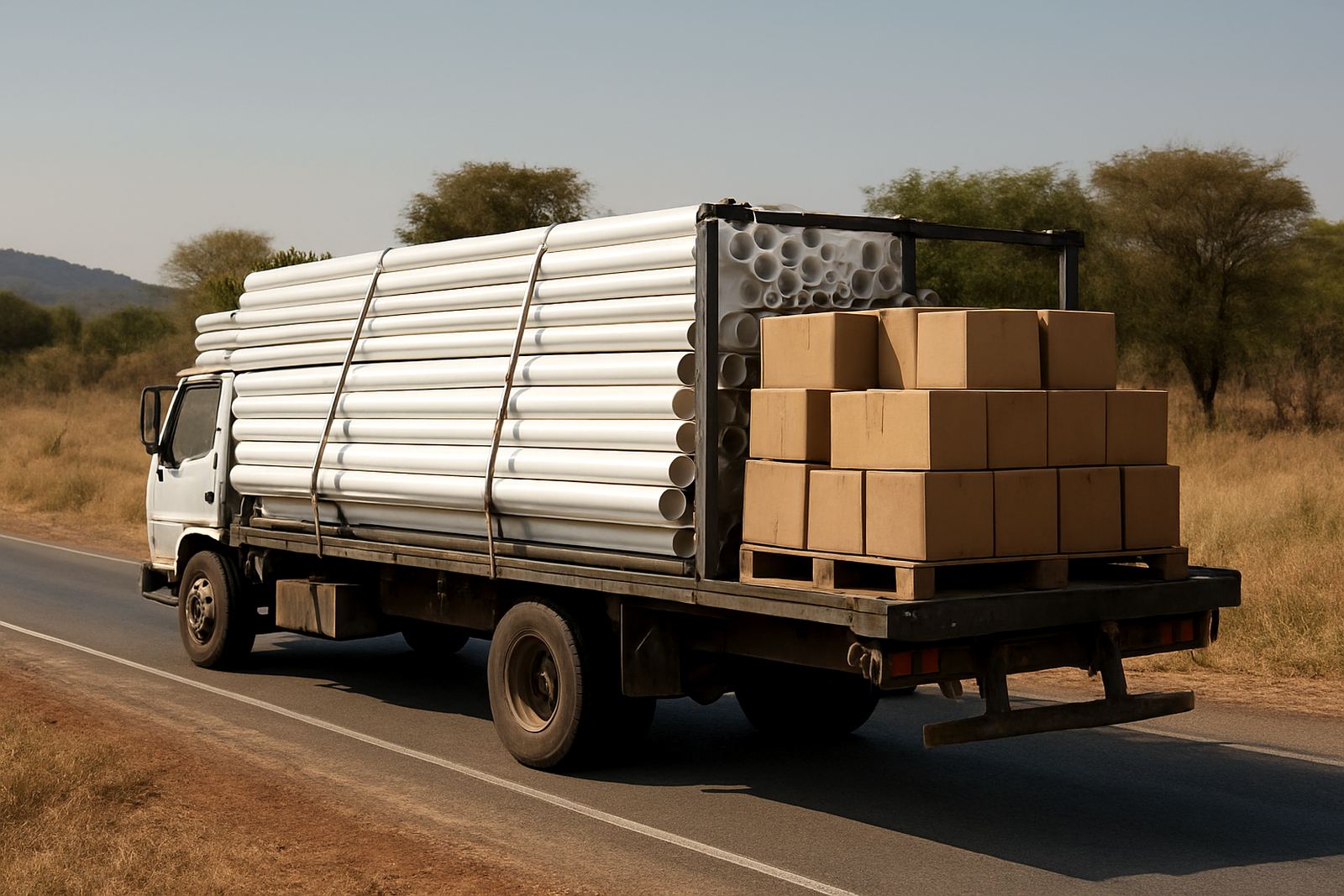
For local clients in Polokwane and nearby delivery areas, stock planning can be done with collection or regional delivery in mind. For outlying areas and nationwide couriers, we work to make the parcel practical in size and weight, and we try to keep the item mix sensible for transport. If you need stock for a weekend installation or a Monday start, it is best to send the enquiry early so the counts can be confirmed and the order prepared without last minute changes. That way, your crew can focus on installation, not chasing fittings.
Pricing approach for quantity checks
Quantity checks are priced according to the complexity of the order and the level of support needed. A basic count from a clear list is handled differently from a full job review with multiple zones, mixed pipe sizes and contractor pack planning. We keep the approach practical and fair, with the focus on helping you buy the right quantities rather than paying for unnecessary extras.
In many cases, the value is in avoiding waste. Too many fittings tie up cash. Too few fittings create delays, extra courier charges and repeat visits. For regular contractors and farms, quantity checking also helps with repeat ordering, because once a standard assembly is known we can keep the numbers consistent across similar jobs. If you are planning a long-term irrigation programme, it is often worth checking quantities before every major purchase so stock levels stay manageable through the season. That is especially useful where deliveries are spread across Limpopo and a job may need phased supply over several weeks.
Maintenance intervals and re-order planning
Quantity checks are most useful before a new install, before a repair campaign, or before seasonal maintenance starts. On established systems, it helps to review fittings when you are replacing pipe sections, changing zone layouts or adding new outlets. We also recommend checking quantities after any pressure change, pump upgrade or line extension, because those changes often affect the fittings list more than expected.
For farms and landscaped sites, a sensible review cycle is before the main irrigation season and again after major repairs or storm damage. Coastal humidity is less of a factor in Polokwane than in the coast, but outdoor fittings still need to be checked for UV exposure, movement in the soil and damage from vehicles or tools. If you keep a record of what was used last time, we can help compare it against the new order and keep your stock plan tidy. That makes repeat ordering easier and helps avoid gaps in the shed when the next job comes up.
- Check before new installations and seasonal rollouts
- Review again after repairs, extensions or pressure changes
- Keep counts for repeat orders and contractor accounts
- Use the same layout notes to reduce order errors
Key facts
| Service area | Ladanna, Polokwane and nationwide courier support |
|---|---|
| Typical pipe sizes | 20 mm, 25 mm, 32 mm, 40 mm and 50 mm |
| Common items checked | Elbows, tees, couplers, reducers, end caps and sockets |
| Order type | New installs, repairs, phased projects and repeat buys |
| Turnaround | Same day for simple lists, longer for mixed or multi-zone orders |
| How to request | Use the enquiry form on our contact page |